






The Invisible Danger of Dampness
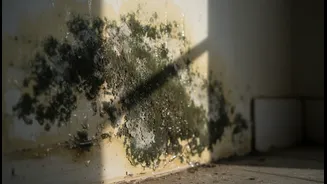
A humid kitchen is a paradise for microorganisms. Bacteria and mould thrive in warm, moist conditions. When cutting boards, kitchen cloths, and even plastic containers remain damp, they transform from helpful tools into breeding grounds for germs like
E. coli and Salmonella. This moisture allows bacteria to multiply rapidly, increasing the risk of cross-contamination and foodborne illnesses. Simply put, any surface that stays wet for too long is a potential health hazard waiting to happen. The goal is to remove moisture, as this is what inhibits the growth of bacteria, yeasts, and moulds.
The Chopping Board Dilemma
Chopping boards are a major culprit. Wooden boards, while gentle on knives, are porous and can absorb moisture and bacteria if not maintained. Plastic boards are easier to sanitise but can develop deep grooves from knife cuts where bacteria hide. After washing any board with hot, soapy water, the most critical step is drying. Never lay a wet board flat on the counter. Instead, pat it dry with a clean towel and then let it air-dry standing on its edge. This allows air to circulate on all sides, ensuring it dries completely and prevents warping or cracking.
Your Kitchen Cloth's Secret Life
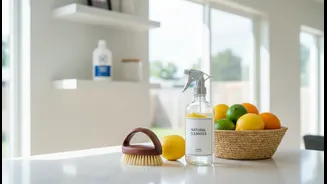
Kitchen towels and sponges are among the most contaminated items in the kitchen. They are designed to be absorbent, which means they provide a perfect, damp environment for bacteria to flourish. Researchers have found that bacteria like Salmonella can grow on cloths left overnight, even after a simple rinse. To combat this, it's best to have separate towels for drying hands and drying dishes. Kitchen cloths should be washed frequently in hot water, and if possible, dried in the sun. For sponges, microwaving them while wet for 30-60 seconds can effectively kill most germs.
Conquering Container Condensation
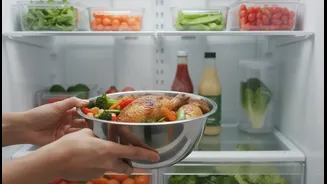
We've all experienced it: a musty smell from a plastic container that seemed clean. This is often caused by moisture trapped inside. After washing containers, pay special attention to the lids, seals, and rims where water droplets love to hide. It's crucial to ensure every component is bone-dry before storing. Air drying them separately is the best method. If you stack them before they are completely dry, you’re creating a sealed, humid environment perfect for mould growth. Storing containers with the lids slightly ajar can also help prevent musty odours.
Fighting Back Against Humidity
Beyond drying individual items, you can manage the overall humidity in your kitchen. Good ventilation is key. Use an exhaust fan or chimney while cooking to pull steam and moisture out of the room. If you don't have one, opening a window can facilitate cross-ventilation. On sunny days, let the sunlight in, as it’s a natural disinfectant and drying agent. For extremely humid areas, a small, portable dehumidifier can make a significant difference, protecting not just your health but also your cabinets and appliances from moisture damage.