


Beyond One-Dimensional Sweetness
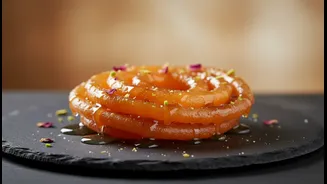
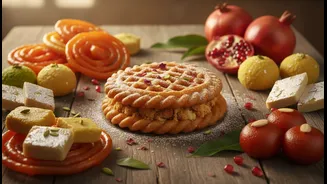
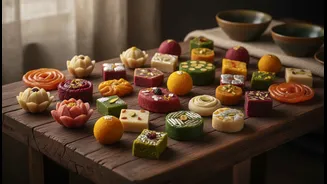
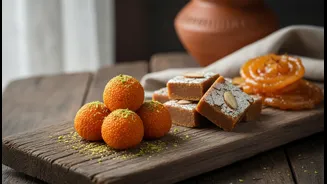
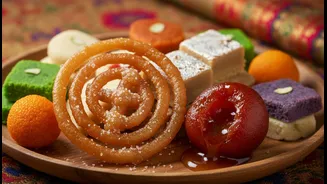
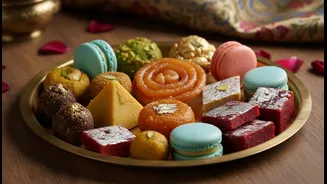
Think of traditional Indian mithai, and your mind likely conjures up images of soft, melt-in-the-mouth barfis, spongy rasgullas swimming in syrup, or dense, fudgy pedas. For centuries, the focus has been on rich flavours derived from milk, sugar, and ghee,
often leading to a singular, albeit beloved, soft texture. While nuts and seeds have always provided some crunch, the primary sensory experience was often dominated by overwhelming sweetness and a smooth, yielding mouthfeel. This classic formula has been cherished at festivals and celebrations for generations, but the modern Indian palate, exposed to global culinary trends, has started craving something more.
The Textural Revolution
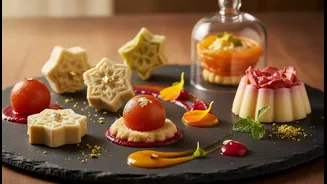
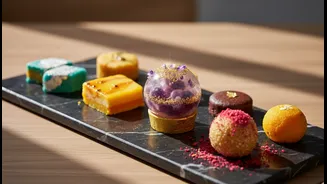
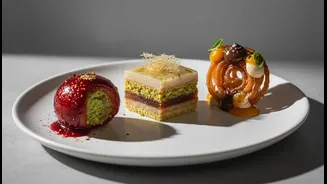
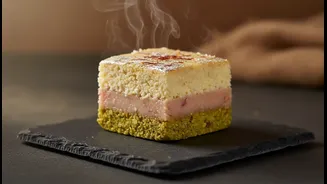
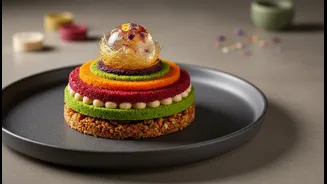
Enter the new age of Indian sweets, where texture is not just an afterthought but the main event. Chefs and artisanal mithai makers are now consciously playing with contrasts, layering different sensory experiences into a single bite. Imagine a classic motichoor laddoo with a crunchy center, or a kaju katli reimagined as a bonbon with a liquid ganache filling. This movement is about creating a more dynamic and engaging eating experience. It involves incorporating elements like crispy crumbles, flaky pastry, gooey caramels, airy mousses, and crunchy pralines. The goal, according to many chefs, is to strike a balance between flavour and texture, creating desserts that are both nostalgic and surprising.
Chefs and Brands Leading the Charge
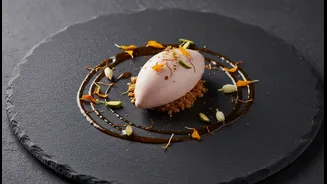
Across India, innovative brands are championing this textural shift. Mumbai's Bombay Sweet Shop, for instance, is known for its playful and imaginative takes on classics, creating 'grid-worthy' mithai that connects with a younger generation. Their offerings might include a chocolate-barfi bark or a kaju katli layered with dark chocolate ganache, introducing new textures to familiar flavours. Similarly, brands like Khoya focus on an elegant, couture-like approach, where texture is part of a refined, curated experience. Chefs at restaurants like Tresind in Mumbai explicitly design desserts around concepts like 'textures of milk', using varying temperatures and forms to create a multi-layered punch. These innovators are proving that Indian sweets can evolve to stay relevant without losing their soul.
Why Now? A Mix of Global and Local
Several factors are driving this trend. Increased global travel and internet exposure have made Indian consumers familiar with Western desserts like cheesecake with its biscuit crust, or lava cakes with their molten centers. This has created an appetite for similar textural complexity in Indian sweets. There's also a growing health consciousness. As consumers look for options with less sugar, a compelling texture can make a less-sweet dessert more satisfying and indulgent. Furthermore, this evolution is a way for a new generation of chefs to put their unique stamp on tradition, deconstructing classic recipes and reassembling them in novel ways, such as in parfaits or tarts.
The Future is Multi-Textured
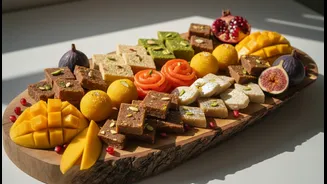
This focus on texture is not a fleeting trend but a fundamental shift in how Indian sweets are conceived and enjoyed. It represents a move from a singular focus on sweetness to a more holistic, multi-sensory experience that prizes complexity and surprise. We are seeing fusions like Gulab Jamun Cheesecakes and Gajar Halwa Crumble Tarts that explicitly marry soft, traditional elements with crisp, modern ones. This innovation is bridging generations, making mithai exciting for those who grew up with it and intriguing for those new to its charms. The humble mithai box is being transformed into a treasure chest of tastes and textures, promising a delightful discovery with every bite.