






The Soul of Amritsari Sweets
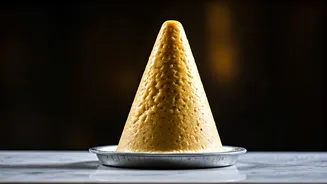
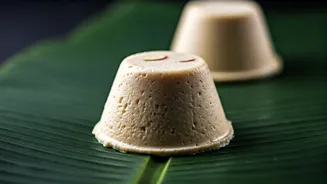
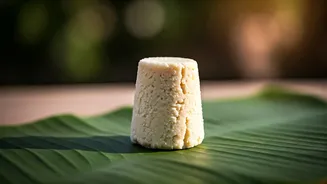
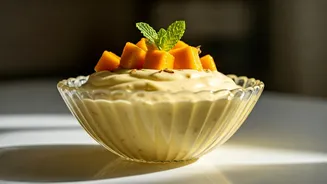
Forget what you know about ice cream. Kulfi is its richer, denser, and far more decadent ancestor. It isn't whipped with air; it’s slow-cooked, reducing milk for hours until it caramelises into a thick, creamy base known as rabri. This patient process
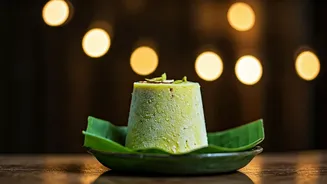
results in a dessert that doesn't melt as much as it yields, revealing a tapestry of flavours like cardamom, pistachio, and saffron. In Amritsar, a city that runs on faith and food, kulfi is not just a dessert—it's a ritual, a moment of sweet relief snatched from the energetic pulse of the streets. It’s the perfect full stop to a meal of spicy kulchas and rich dals.
An Institution of Cool
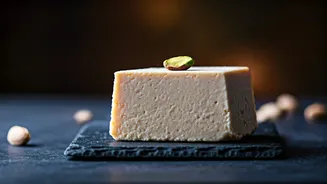
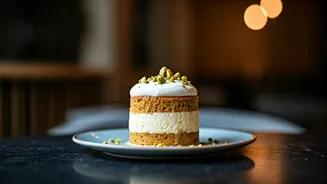
While countless vendors dot the city, hawking kulfi from pushcarts and small stalls, true aficionados will point you towards legendary institutions. One such name that echoes through the Hall Bazaar is A-One Kulfa. This isn't your average kulfi-on-a-stick. Here, the dessert is an art form, a deconstructed masterpiece served on a plate. They call it 'Kulfa'—a unique take on the classic. A pristine white slice of frozen kulfi, packed with nuts and khoya, is laid on a plate. It’s then lovingly smothered with a generous helping of silky falooda noodles, a drizzle of sweet rose syrup, and sometimes more rabri for good measure. It’s a textural marvel: the firmness of the frozen kulfi, the chewiness of the falooda, and the smoothness of the syrup all coming together in one perfect spoonful.
The Promise of the Leaf
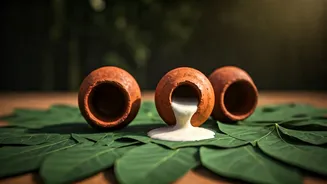
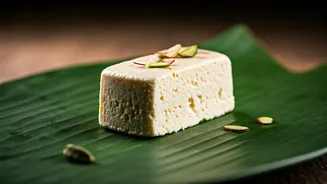
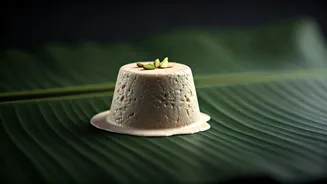
The headline's mention of leaves evokes a powerful image, one deeply rooted in Indian culinary tradition. For generations, street food across the country has been served in daunas—small, rustic bowls fashioned from dried patal or banyan leaves stitched together with twigs. This practice is more than just eco-friendly packaging; it's a sensory experience. The faint, earthy aroma of the leaf subtly infuses the food, connecting the eater to nature. While modern plates have replaced leaf bowls in many urban spots like A-One for practical reasons, the spirit endures. The 'leaf' represents a philosophy: food that is simple, natural, and grounded. It’s a nod to a time when the vessel was as humble and organic as the food it held, a tradition that still thrives in smaller towns and temple offerings.
A Spoonful of Shared Memory
Eating kulfi in Amritsar is about more than just satisfying a sweet tooth. It’s about participating in a shared cultural memory. It’s standing by a bustling counter, watching the vendor expertly slice and assemble your plate. It’s the clatter of steel spoons against plates, the murmur of happy families, and the collective sigh of contentment. This dessert has been cooling down generations of Amritsaris through scorching summers. Every bite is infused with stories—of post-dinner family walks, of friendships forged over a shared plate, and of the simple joy of finding a cool oasis in a hot, hectic world. The nostalgia isn't just in the flavour; it's in the entire atmosphere.
Why It Endures
In a world of fast-moving food trends and fancy dessert parlours, why does a simple, slow-cooked kulfi still command such devotion? The answer lies in its authenticity. There are no shortcuts here. The painstaking process of reducing the milk, the careful balance of traditional flavours, and the unpretentious presentation speak to a commitment to heritage. It’s a taste of 'real' India, unburdened by modern fads. This isn't a dessert designed for Instagram, though it is eminently photogenic. It’s a dish designed for the soul, meant to be savoured in the moment. It’s a delicious reminder that sometimes, the most memorable experiences are the ones that have been perfected over generations.