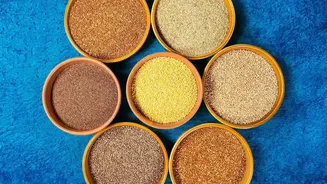

The Great Millet Revival
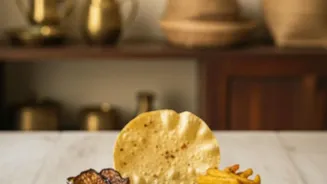
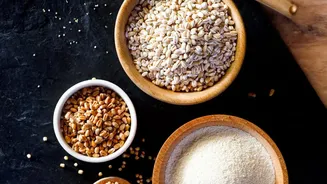
For generations, grains like jowar, bajra, and ragi were everyday food across India. The Green Revolution in the mid-20th century prioritized high-yield wheat and rice to ensure food security, inadvertently pushing these hardy, nutritious grains to the background.
Today, a renewed focus on health, sustainability, and rediscovering traditional foods is bringing them back. Driven by their gluten-free nature, high fibre content, and low glycemic index, millets are being recognized by a new generation of health-conscious consumers. These grains are not only good for us but also for the planet; they are often drought-resistant and require fewer resources to grow compared to rice and wheat, making them a climate-resilient choice for the future.
Jowar (Sorghum): The Gluten-Free All-Rounder
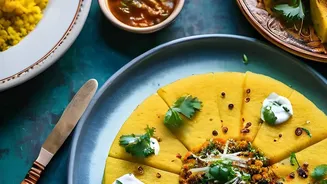
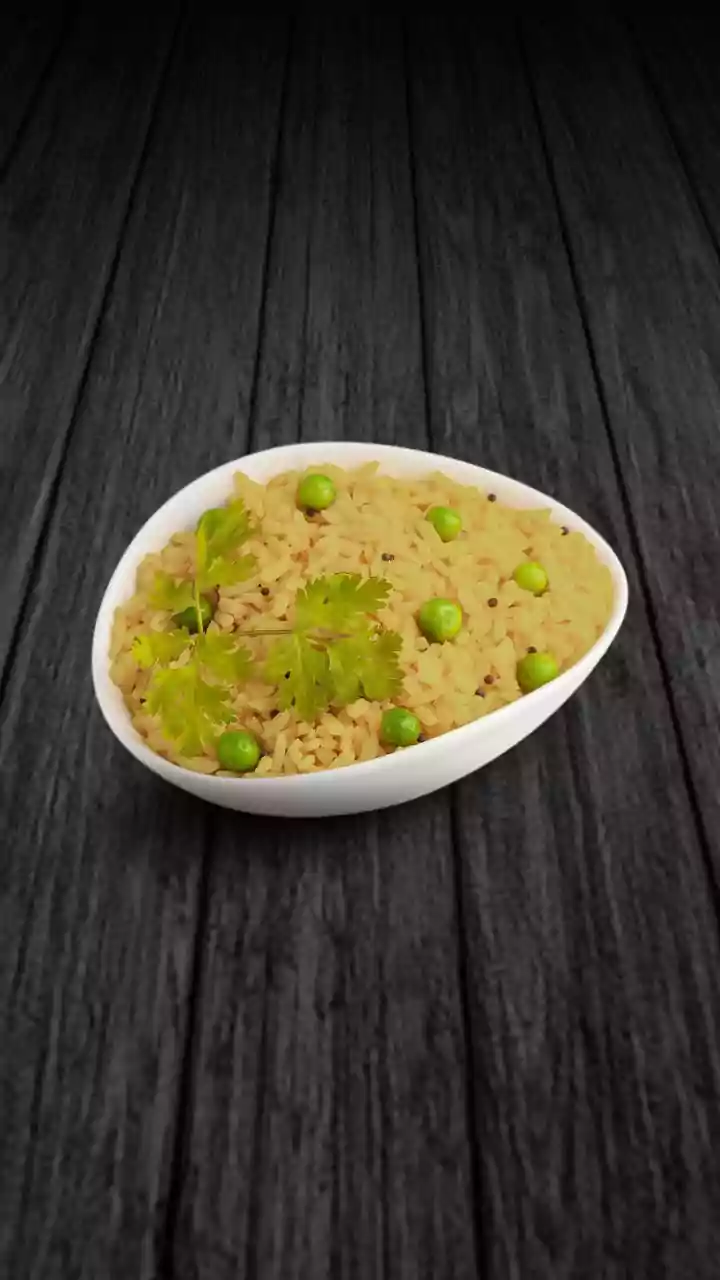
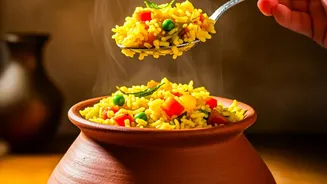
Jowar is a fantastic gluten-free grain, rich in antioxidants and dietary fibre, which aids digestion and helps you feel full for longer. While traditionally used to make bhakri or roti, its uses are expanding. For a modern take, try making a simple jowar upma. Start by pressure cooking whole jowar grains until they are soft but still have a slight bite, which takes about 5-6 whistles. In a separate pan, temper mustard seeds and curry leaves, then sauté onions, and your favourite vegetables like carrots and peas. Add the cooked jowar, a squeeze of lemon juice, and fresh coriander for a wholesome and satisfying meal that works for breakfast or lunch.
Ragi (Finger Millet): The Calcium Powerhouse
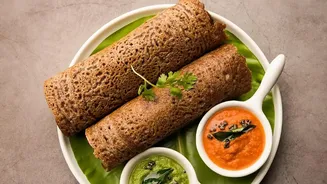
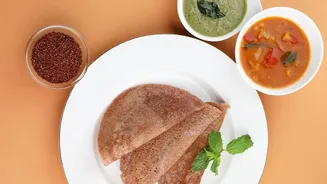
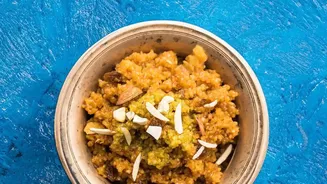
Known for its incredible calcium and iron content, ragi is a true superfood, especially beneficial for women and children. Its earthy flavour makes it a versatile ingredient. One of the easiest ways to use it is by making ragi malt, a nutritious porridge. Simply mix ragi flour with a little water to form a lump-free paste. Add this paste to boiling water, stirring continuously until it thickens, which takes just a few minutes. You can then customize it to be sweet with jaggery and a pinch of cardamom, or savoury with buttermilk and salt. Ragi flour is also excellent for making dosas and even healthy pancakes.
Bajra (Pearl Millet): The Warming Winter Grain
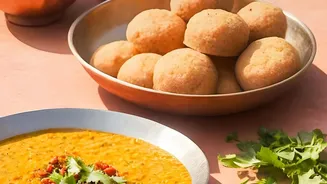
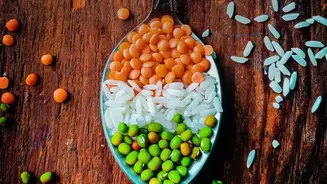
Bajra is dense with iron and magnesium, making it great for heart health and providing warmth to the body, which is why it's a winter staple in states like Rajasthan and Gujarat. Beyond the classic bajra roti, this millet is perfect for making a hearty khichdi. To prepare it, soak the whole bajra grains for at least 8-12 hours to soften them. Pressure cook the soaked bajra with moong dal, turmeric, and salt for about 4-5 whistles until it's soft and creamy. A final tempering of ghee, cumin seeds, and asafoetida elevates the dish into a comforting one-pot meal.
Kangni (Foxtail Millet): The Smart Rice Substitute
Light on the stomach and quick to cook, foxtail millet (kangni) is an excellent substitute for rice. It has a low glycemic index, making it a good choice for managing blood sugar levels, and it's rich in protein and iron. You can cook it just like rice, using a 1:2 millet-to-water ratio. For a flavourful kangni pulao or lemon 'rice', first cook the millet until fluffy. In a pan, prepare a tempering with mustard seeds, curry leaves, and peanuts. Add your choice of steamed vegetables or a generous squeeze of lemon juice, then mix in the cooked millet. It's a simple, fast, and nutritious way to incorporate this grain into your weekly meals.