





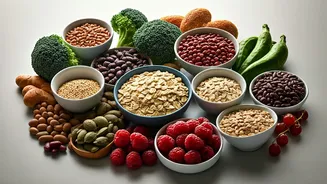


The Old Rulebook on Protein
For years, the standard nutritional advice has been straightforward. The Recommended Dietary Allowance (RDA) for protein is 0.8 grams per kilogram of body weight per day. This is the number you’ll find in most textbooks and government health websites,
including guidelines from the Indian Council of Medical Research (ICMR). For a 60-kilogram person, this translates to about 48 grams of protein daily. This recommendation was designed to prevent protein deficiency in the general population—essentially, the minimum amount needed to avoid illness, not necessarily the optimal amount to thrive. It was established based on nitrogen balance studies, a method that some scientists now argue may underestimate our true needs.
A New Challenge to the Standard
Recent studies are painting a different picture. Research, including a significant review from a group of international protein experts, suggests that the 0.8g/kg figure is merely a starting point. The new consensus forming among many scientists is that a higher intake, somewhere between 1.2 to 1.6 grams per kilogram of body weight, is likely better for most adults. For that same 60-kilogram person, this would mean aiming for 72 to 96 grams of protein per day—a substantial increase. The study argues that this higher amount is not just for bodybuilders, but is crucial for maintaining muscle mass as we age, supporting immune function, and promoting overall vitality.
Why We Might Need More
So, why the discrepancy? The original RDA was designed to prevent deficiency. The new thinking focuses on optimisation. Protein is essential for much more than just building muscle. It's a component of every cell in your body, used to build and repair tissues, make enzymes and hormones, and support a healthy immune system. As we get older, our bodies become less efficient at processing protein, a phenomenon known as “anabolic resistance.” This means we need to consume more protein just to get the same muscle-building and repairing effect. For active individuals, protein is crucial for recovery and performance. And for those on a weight loss journey, a higher protein intake can increase feelings of fullness, helping to control appetite.
Who Should Pay Special Attention?
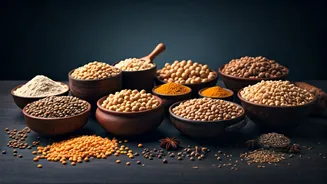
While a higher protein intake may benefit most people, some groups should take particular notice. 1. **Older Adults (Above 50):** To combat age-related muscle loss (sarcopenia), which can lead to frailty and falls, experts strongly recommend a higher intake, often closer to the 1.2-1.6g/kg range. 2. **Physically Active People:** If you exercise regularly, your protein needs are higher to repair muscle fibres and support recovery. 3. **Vegetarians and Vegans:** Plant-based protein sources can be less bioavailable than animal sources. While it's entirely possible to meet protein needs on a vegetarian diet, it requires more conscious planning. Focusing on combining sources like dal, rice, quinoa, soy, and nuts is key. 4. **Those Recovering from Illness or Injury:** The body's protein needs skyrocket during recovery to repair tissue and fight infection.
Boosting Protein the Indian Way
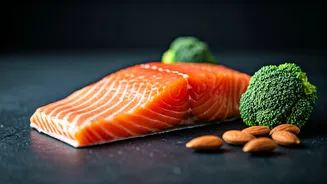
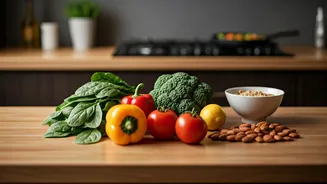
Hitting a higher protein target doesn't mean you need to start chugging protein shakes. It can be easily integrated into a typical Indian diet. A simple strategy is to include a protein source in every meal. For breakfast, consider eggs, Greek yoghurt, or besan chilla. For lunch and dinner, ensure a generous serving of dal, chickpeas, rajma, or a piece of paneer, tofu, chicken, or fish. Snacking on a handful of nuts, seeds, or roasted chana instead of biscuits can also make a big difference. Sprouting lentils and legumes can also increase their protein content and digestibility. The key is mindful inclusion, not a radical diet overhaul.