



The Allure of Simple Rules
Personal colour analysis has seen a huge resurgence, promising a simple answer to the daily question of what to wear. The idea is that by analysing your skin tone, hair, and eye colour, you can find a specific palette of colours that makes you look your best.
The appeal is obvious: it offers a clear set of rules in the often-overwhelming world of fashion, aiming to make shopping easier and reduce decision fatigue. For many, it feels like a secret code has been unlocked, providing a framework for building a cohesive and flattering wardrobe. The trend suggests that sticking to your designated colours will ensure you always look vibrant and put-together.
Fit Is the Foundation of Style
However, the most beautiful colour in the world cannot save a garment that fits poorly. Fit is arguably the most important element of dressing well, serving as the foundation for any great outfit. Clothes that are too tight, too loose, or improperly proportioned can make you look and feel uncomfortable, regardless of their colour. A well-fitting piece, on the other hand, enhances your shape and projects confidence. Think about it: a perfectly tailored pair of black trousers will almost always look better than an ill-fitting designer dress in your supposed “power colour.” Prioritising fit means focusing on how a garment feels on your body and allows you to move. Before buying anything, check that it's comfortable when you sit, walk, and stretch.
The Value of Repeat Use
Beyond fit, a colour-first approach often neglects the importance of versatility and repeat use. Building a sustainable and functional wardrobe isn't about having a closet full of trendy items; it's about investing in quality pieces that you can wear over and over again. This is where the concept of 'cost per wear' comes in. A ₹10,000 coat worn 100 times has a cost per wear of just ₹100 and provides far more value than a ₹2,000 top worn only once. Focusing on repeat use encourages you to choose timeless basics and versatile items that can be mixed and matched to create numerous outfits. Before purchasing something new, ask yourself if it can be styled with at least three other items you already own. This simple question shifts the focus from a single, fleeting trend to long-term value and personal style.
Building a Smarter Wardrobe
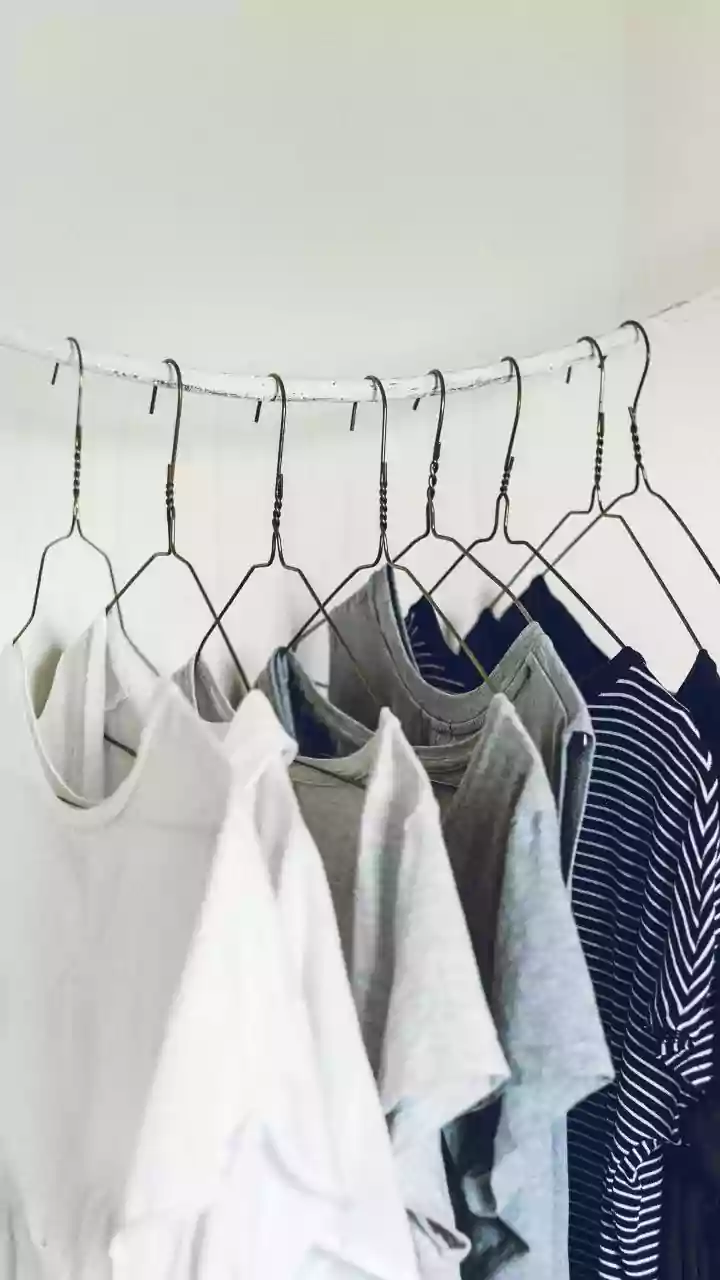
So, how can you build a wardrobe that truly works? Instead of starting with a rigid colour list, begin with fit and function. Prioritise high-quality, timeless pieces made from durable fabrics like cotton, linen, and wool, which tend to age well. Build your wardrobe around a core of neutral colours like navy, grey, beige, and white, as these are easiest to combine. Once you have a solid foundation of well-fitting, versatile staples—like a great pair of jeans, a classic white shirt, or a tailored blazer—you can then use colour more thoughtfully. Use bolder, more expressive colours as accents to reflect your personality and mood, rather than as strict rules you must follow. This balanced approach ensures your wardrobe is not only stylish but also practical and sustainable, filled with clothes you genuinely love and will wear for years to come.