





The Saint and the Seven Seeds
The story of Indian coffee begins not with a merchant, but with a 17th-century Sufi saint named Baba Budan. According to legend, while on a pilgrimage to Mecca, he discovered coffee in Mocha, Yemen. At the time, Arabia fiercely guarded its coffee monopoly,
forbidding the export of fertile green beans. Determined to share the brew with his homeland, Baba Budan audaciously smuggled seven precious coffee beans out of the country, reportedly hidden in his beard or strapped to his belly. Upon his return to India, he planted these seven beans in the hills of Chandragiri in Karnataka. Those hills, now named Baba Budan Giri in his honor, became the birthplace of India's entire coffee industry, starting a legacy that continues to define the region.
A Terroir Like No Other
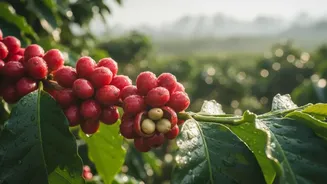
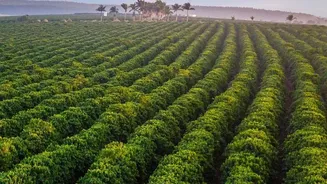
Chikmagalur's distinction comes from its unique geography, or terroir. Situated at elevations of around 3,400 feet, the cool climate and misty mountains cause the coffee cherries to mature slowly. This unhurried ripening process allows for the development of more complex and nuanced flavors in the beans. The region's fertile, volcanic soil, combined with ample rainfall, provides the perfect nurturing ground for high-quality Arabica. Furthermore, coffee cultivation in Chikmagalur is traditionally shade-grown. The plants thrive under a canopy of native trees, which not only protects them from harsh sunlight but also promotes biodiversity and enriches the soil, contributing to the beans' signature taste.
The Distinct Flavor of Chikmagalur Arabica
So what does this historic, shade-grown coffee actually taste like? Chikmagalur Arabica is celebrated for its balanced and mild character. It generally has a medium body with restrained acidity, setting it apart from the sharper profiles of some African or Central American coffees. The dominant flavor notes often include chocolate, caramel, and nuts, with a gentle sweetness. Depending on the specific estate and processing method, you might also detect subtle hints of spice or fruit. Washed coffees from the region are known for being clean and bright, while naturally processed beans can offer more pronounced dried fruit and sweet notes. It’s a profile that is smooth, aromatic, and deeply satisfying, often described as having a clean finish.
From Local Heritage to Global Recognition
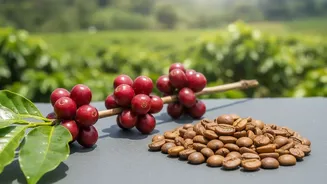
For generations, coffee cultivation has been a core part of Chikmagalur's culture and economy. Many plantations still use traditional methods, including hand-picking only the ripest cherries, to ensure the highest quality. This commitment to quality and heritage was formally recognized in 2019 when Chikmagalur Arabica was granted a Geographical Indication (GI) tag. This tag legally protects the coffee's name and certifies its origin, ensuring that only coffee grown in this specific region can be sold as such. The GI tag not only provides an assurance of authenticity for consumers but also helps the growers command better prices on the global market, allowing them to continue their legacy of producing one of the world's most distinctive coffees.