





Nature’s Engineered Bio-Shield
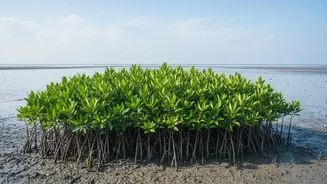
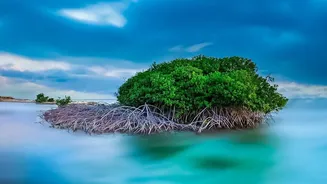
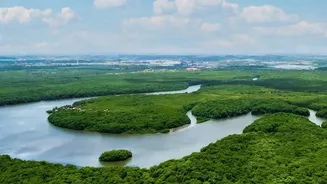
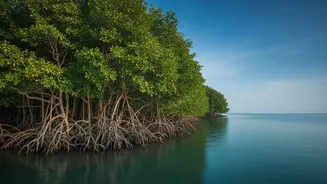
Mangrove forests are uniquely adapted to act as natural shields against the raw power of the sea. Their dense, interlocking root systems, known as prop roots, rise above the mud and form a complex underwater maze. When a storm surge—a wall of water pushed
ashore by a cyclone—hits a mangrove belt, it doesn't meet a solid wall but a flexible, energy-absorbing barrier. These roots dissipate the force of the waves, significantly slowing water flow and reducing the surge's height and destructive power. Studies have shown that even a relatively narrow strip of mangroves, just 100 metres wide, can reduce wave energy by up to 66%. The trunks and canopy of the trees also act as a buffer against cyclonic winds, providing a multi-layered defence that man-made structures often struggle to replicate.
The Power of Community Action
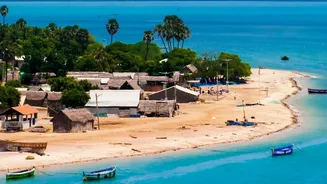
Across India's eastern seaboard, from the Sundarbans in West Bengal to the Godavari delta in Andhra Pradesh, local communities are the driving force behind mangrove restoration. In villages like Bagapatia and Bichitrapur in Odisha, residents who once faced displacement from erosion and cyclones are now planting saplings to reclaim their natural defences. These projects, often supported by government bodies like the Forest Department and partners like the UNDP, combine scientific planning with traditional knowledge. Community members, particularly women, are deeply involved in every stage, from raising nurseries and planting native species to monitoring the young forests. This hands-on involvement ensures not just the restoration of trees, but the rebuilding of a sense of ownership and shared responsibility for the coastline's future.
A Living Wall That Pays Dividends
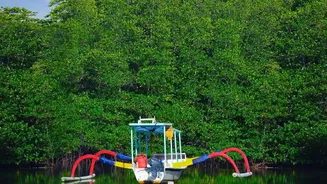
The benefits of mangrove restoration extend far beyond storm protection. These coastal forests are critical economic assets for local communities. They serve as vital nursery grounds for an estimated 75% of commercially important fish, crab, and shrimp species. For fishing communities, a healthy mangrove forest means a more reliable catch and greater income security, especially during fishing ban periods. Furthermore, these projects create direct employment through nursery development and planting activities. The forests also provide resources like honey and fodder, and open up opportunities for eco-tourism, with former fishers finding new work as nature guides. This diversification of livelihoods makes coastal economies more resilient to both climatic and economic shocks.
Lessons from the Front Lines
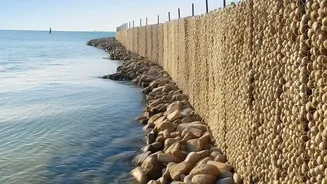
The effectiveness of mangroves is not theoretical. During the 1999 super cyclone in Odisha, a landmark study found that villages shielded by wider mangrove forests suffered significantly fewer deaths than those with little or no cover. More recently, communities in Bhitarkanika and Balasore noted that enhanced mangrove coverage lessened the damage from cyclones by blunting the force of tidal surges. In Andhra Pradesh, the restoration of degraded mudflats in the Krishna Wildlife Sanctuary is rebuilding a natural defence that was lost decades ago. These real-world examples prove that investing in nature-based solutions is one of the most cost-effective ways to protect coastal infrastructure and, more importantly, human lives. In some cases, mangroves have provided better protection than artificial embankments, which can trap floodwaters and worsen crop damage.
The Path to a Resilient Coast
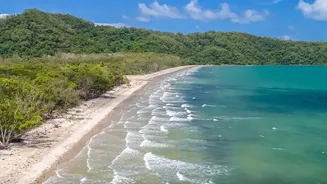
While community-led restoration shows immense promise, it is not without challenges. Mangrove ecosystems face constant threats from coastal development, pollution, and the expansion of aquaculture. Successful restoration requires more than just planting; it demands careful scientific planning to choose the right species for the local soil and tidal conditions, along with long-term monitoring. Sustained funding and supportive government policies, such as the MISHTI scheme, are crucial to scale up these efforts. The collaboration between local communities, scientists, and government agencies is the key to ensuring these vital ecosystems can thrive, transforming vulnerable coastlines into resilient, self-protecting landscapes.