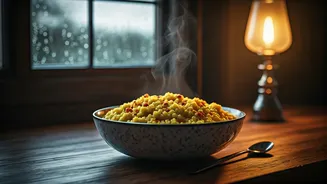







The Comfort Food Dilemma
Winter arrives and our culinary instincts shift. We yearn for dishes that feel like a warm hug: rich, dense, and deeply satisfying. We reach for ghee-laden parathas, creamy curries, and sugary sweets like gajar ka halwa. While these foods provide immediate
comfort and pleasure, they often come with an unwelcome side effect: the dreaded 'food coma'. That feeling of heavy lethargy that settles in an hour or two after a meal, making you want to nap rather than power through your day. This slump is typically caused by a spike and subsequent crash in blood sugar levels, a common result of consuming simple carbohydrates and refined sugars that dominate many traditional comfort foods.
Why Millets Are the Smart Solution
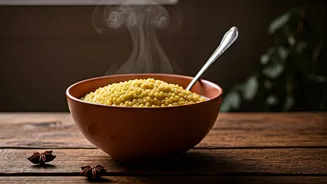
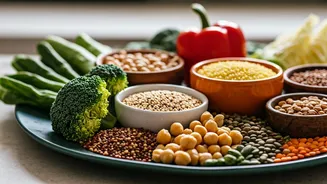
This is where millets, India's ancient superfoods, offer a brilliant alternative. Unlike the refined wheat and white rice found in many comfort dishes, millets are complex carbohydrates. This means your body digests them more slowly, leading to a gradual and sustained release of energy. They are also packed with dietary fibre, which not only aids digestion but also promotes a feeling of fullness, preventing you from overeating. The low glycemic index of most millet varieties is the key to avoiding the food coma. By preventing the sharp spikes and drops in blood sugar, millets provide steady fuel for your body and brain. You get the comforting satisfaction of a full stomach without the energy drain, keeping you alert and productive.
Choosing Your Winter Millet
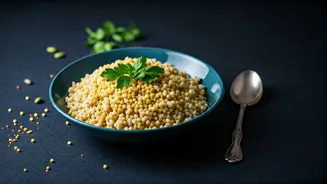
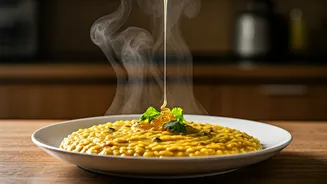
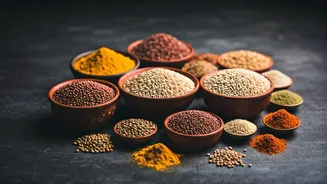
The world of millets is vast, but a few are particularly well-suited for creating warming winter meals. **Bajra (Pearl Millet):** Traditionally consumed in the winters across North and West India, bajra is known for its warming properties. Its dense, nutty flavour makes it perfect for hearty rotis or a savoury porridge (khichdi). **Ragi (Finger Millet):** A nutritional powerhouse rich in calcium and iron, ragi has an earthy taste. It’s wonderfully versatile and can be used to make everything from dosas and rotis to a nourishing morning porridge that will keep you warm from the inside out. **Foxtail Millet (Kangni/Thinai):** Light and easy to digest, foxtail millet is a fantastic substitute for rice. Its delicate texture works beautifully in dishes like upma, pulao, or a simple lemon millet, allowing the spices to shine.
The Magic of Warming Spices
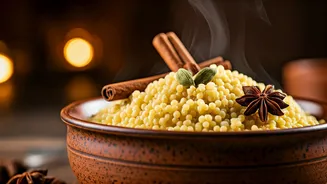
The 'spiced' part of the equation is crucial for creating that feeling of warmth and comfort. Indian culinary wisdom has long used spices not just for flavour, but for their perceived effects on the body. Spices like ginger, with its pungent heat, and black pepper are believed to boost circulation and provide internal warmth. Cinnamon and cloves add a sweet, aromatic depth that is instantly comforting on a cold day. Turmeric, the golden spice, offers its earthy flavour and well-known anti-inflammatory properties. Combining these spices with the nuttiness of millets creates a symphony of flavour that is both complex and deeply satisfying, transforming a simple grain into a truly special meal.
Putting It All Together: Simple Ideas
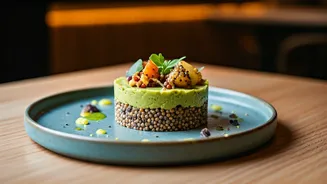
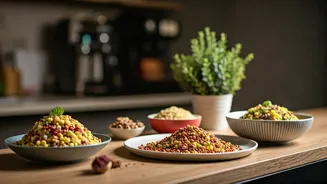
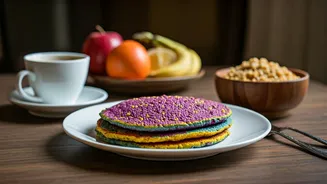
Incorporating spiced millets into your diet doesn't require a complete overhaul of your kitchen. Start with simple swaps and easy preparations. Instead of a rice-based pulao, try making it with foxtail millet, toasted spices, and winter vegetables. Swap your regular breakfast for a creamy ragi porridge sweetened with a little jaggery and spiced with cardamom and cinnamon. For a hearty lunch, prepare a bajra khichdi with moong dal, ginger, and a dollop of ghee. Even a simple savoury millet upma, cooked with mustard seeds, curry leaves, and a pinch of turmeric, can be a quick, warming, and energising meal.