








The Rise of the Micro-Break
So, what is a micro-break? It’s a short, intentional trip, usually lasting two to four days, designed to help you recharge without the stress and expense of a long vacation. For India’s Gen Z, this is the new travel mantra. Recent reports show that a staggering
7 in 10 young travellers would rather take three short trips than one long one. Why the shift? It's both practical and philosophical. These frequent, smaller escapes are a direct response to academic pressure, early career burnout, and a desire for experiences that feel personal, not just popular. Travel is no longer about ticking off a list of landmarks; it's about finding a new cafe, discovering a quiet trail, or simply resting in a new environment.
Planning Your Escape
The key to frequent travel is efficient planning. Start by looking at the calendar for long weekends and public holidays. A single day off attached to a weekend can create a perfect three-day window for a getaway. The spirit of the micro-break is spontaneity, with data showing that two-thirds of Gen Z travellers book their trips within just days or weeks of departure. Use this to your advantage. Be flexible with your destination and let last-minute deals on buses, trains, or even flights guide your choice. The goal is to reduce the mental load of planning; it should feel less like a project and more like a reflex. Don't overschedule. The new travel rule is to leave room for the unplanned, as 64% of young travellers intentionally leave their itineraries open to explore.
Budgeting for More
Taking more trips means making your money go further. For young Indians, this is an art form. A comfortable daily budget for a solo traveller can be between ₹1,500 and ₹2,500, but it's possible to do it for even less. Accommodation: Skip expensive hotels. Backpacker hostels have boomed across India, offering dorm beds for as little as ₹500 a night. Homestays are another fantastic option for an authentic and affordable experience. Transport: Indian Railways is your best friend for inter-city travel. A sleeper class ticket is incredibly budget-friendly for overnight journeys. For local travel, use city metros and buses, and don't be afraid to bargain with auto-rickshaw drivers or insist on using the meter. Food: Avoid tourist traps. Eat where the locals eat. Local dhabas and street food stalls offer delicious meals for a fraction of the cost of a restaurant. A thali can often provide a full, satisfying meal for under ₹300.
Nearby Destinations, Big Experiences
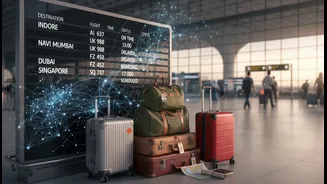
You don't have to travel far to feel like you've gotten away. India is full of incredible destinations perfect for a short trip, accessible from major cities. From Delhi: The hills are calling. Take an overnight bus to Rishikesh for adventure and spirituality, or to McLeodganj for its cafe culture and mountain views. For a quick historical fix, Agra and Neemrana are just a few hours away. From Mumbai: The Western Ghats are your playground. Lonavala, Khandala, and Matheran are classic hill station escapes. For a beach vibe, a quick ferry to Alibaug or a train to the coastal towns of Maharashtra can do the trick. From Bengaluru: The options are diverse. Head to Nandi Hills for a sunrise view, drive to Coorg or Chikmagalur for a weekend amidst coffee plantations, or explore the rich heritage of Mysuru and Hampi.
Travel Smart and Light
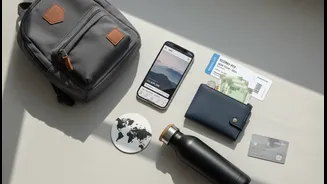
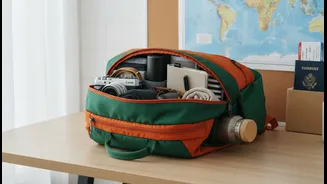
A micro-break demands a minimalist mindset. For a two or three-day trip, a single backpack is all you need. Pack versatile clothing, limit your toiletries to essentials, and wear your bulkiest items while travelling. This not only saves you from checked baggage fees but also makes you more mobile and flexible on the ground. Leverage technology to your advantage. A local SIM is non-negotiable; it unlocks UPI payments, ride-hailing apps like Ola and Uber, and Google Maps for navigating public transport. Use booking apps to find last-minute deals on accommodation and travel. This digital-first approach is second nature to Gen Z and is a core part of making spontaneous travel possible.