
The Low-Light Advantage
Let's face it: most home offices aren't blessed with the bright, indirect sunlight that so many popular houseplants crave. Desk space is often relegated to a corner or a room with north-facing windows, which can be a death sentence for sun-loving greens.
This is where resilient, low-light plants come in. These species have adapted to survive in the undergrowth of dense forests, meaning they are perfectly suited to the dimmer conditions of an indoor workspace. They don't just tolerate low light; they expect it. This makes them not only survive but also maintain their gorgeous appearance without needing a prime spot by the window. The key to success is choosing a plant that matches your environment from the start.
1. The Snake Plant: Sculptural and Unkillable
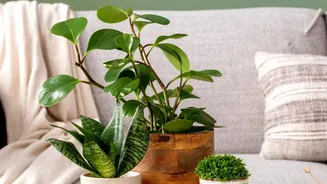
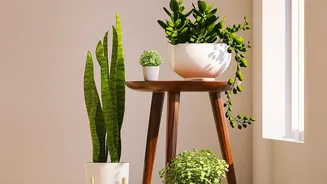
If you've killed plants before, the Snake Plant (Dracaena trifasciata) is your redemption. With its stiff, upright, sword-like leaves, it adds a modern, architectural element to any desk without taking up much horizontal space. It's famous for being virtually indestructible, thriving on neglect and tolerating a wide spectrum of light conditions, from dim corners to brighter spots. In fact, its biggest enemy is too much attention, specifically overwatering. Let the soil dry out completely between waterings—think every 2-4 weeks. Besides its hardy nature, the Snake Plant is also a powerhouse air purifier, filtering common indoor toxins and releasing oxygen at night, making it a perfect companion for a healthier workspace.
2. The ZZ Plant: Glossy and Drought-Proof
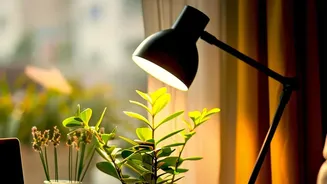
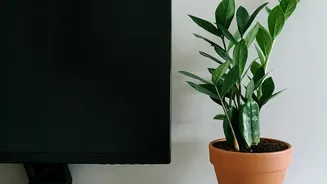
The ZZ Plant (Zamioculcas zamiifolia) is so low-maintenance it practically thrives on being forgotten. Its wide, dark green, glossy leaves look perpetually polished and add a touch of lush, tropical flair. The secret to its resilience lies in its underground rhizomes, which store water and allow it to endure long periods of drought. This makes it incredibly forgiving if your watering schedule is, shall we say, inconsistent. While it performs best in medium, indirect light, it is famously tolerant of low-light conditions, making it ideal for interior rooms or offices with little natural sun. Like the Snake Plant, the primary danger is overwatering, so only give it a drink when the soil is completely dry, typically every 2-3 weeks.
3. The Pothos: The Forgiving Vine
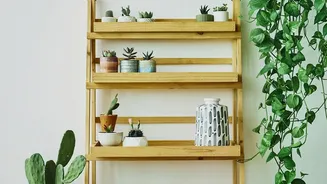
Known for its beautiful trailing vines and heart-shaped leaves, Pothos (Epipremnum aureum) is one of the most popular and forgiving houseplants for a reason. It’s incredibly adaptable and can tolerate low light, although you might notice slower growth or less variegation in its leaves in dimmer spots. Pothos is a great communicator; its leaves will visibly droop when it's thirsty, taking the guesswork out of watering. Let the top inch of soil dry out, then water thoroughly. It's perfect for placing on a shelf above your desk, allowing its vines to cascade down and create a living curtain of green.
4. The Cast Iron Plant: Nearly Indestructible
The name says it all. The Cast Iron Plant (Aspidistra elatior) has earned its reputation for being tough as nails. It can handle deep shade, inconsistent watering, and temperature fluctuations that would stress out most other plants. Its long, elegant, dark green leaves rise directly from the soil, offering a bold and structural look. This plant is an excellent choice for those truly challenging, dark corners of a room where nothing else seems to survive. It grows slowly and steadily, requiring very little from you besides an occasional watering when the soil feels dry. Its ability to tolerate neglect makes it a true set-it-and-forget-it option.
5. The Spider Plant: The Prolific Purifier
A retro classic, the Spider Plant (Chlorophytum comosum) is an easy-to-care-for plant that brings a sense of playful energy with its arching leaves and dangling 'spiderettes' or baby plants. It's known for being an excellent air purifier, effectively removing common toxins from the air. Spider Plants are adaptable but prefer bright, indirect light; however, they tolerate lower light conditions quite well. They are a great choice for a desk or hanging basket, where their fountain-like foliage can be fully appreciated. Water them about once a week, keeping the soil lightly moist but not waterlogged.