








How the Scam Works
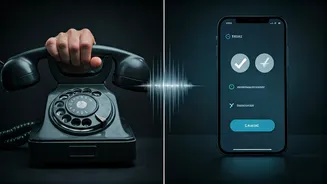
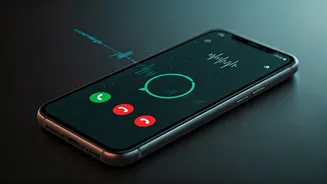
Cybercriminals are using Artificial Intelligence to create highly realistic replicas of people's voices. All they need is a small audio sample, often taken from videos or voice notes shared on social media. The scam typically begins with a phone call where
you hear what sounds exactly like a family member or friend in a dire emergency—like an accident, an arrest, or a medical crisis. The caller creates immense emotional pressure and a sense of urgency to bypass your rational thinking. They will then ask for an immediate transfer of money via UPI or another instant payment method to resolve the fake crisis. Recent advisories from India's Ministry of Home Affairs and the Indian Cyber Crime Coordination Centre (I4C) warn that these AI-driven frauds are a growing threat targeting the public.
Check 1: Establish a Family Safe Word
This is a simple but incredibly effective low-tech defence. A safe word is a unique word or phrase that only your immediate family knows. It should be something a stranger could never guess, like an inside joke or a random, memorable word. Agree with your family members—parents, children, and siblings—that in any emergency call requesting money or sensitive information, you will ask for the safe word. An AI can clone a voice, but it cannot know your secret family password. If the caller cannot provide the word, you know it's a scam. This single step can stop a fraudster in their tracks. Make sure to discuss this protocol with everyone in your family, especially older parents and younger members who might be more vulnerable to panic.
Check 2: The Callback Confirmation
Scammers thrive on creating a sense of urgency that prevents you from thinking clearly. Your best counter-move is to slow down and verify. If you receive a frantic call, no matter how convincing it sounds, end the call. Do not use the number that just called you. Instead, call the person back on the number you already have saved in your contacts. If they don't answer, try calling another trusted family member to verify the situation. Scammers may try to keep you on the line or tell you not to talk to anyone else, which are major red flags. A genuine emergency will still be an emergency two minutes later, giving you time to confirm you are speaking to the real person. If the caller resists or makes excuses, it's almost certainly a scam.
Check 3: The Video Call Verification
Voice-cloning technology is advanced, but most scammers are not equipped for real-time video deepfakes. If you receive a suspicious call, immediately ask the person to switch to a video call on a platform like WhatsApp. A scammer using only audio-cloning software will make excuses or refuse. They might claim the camera is broken, the network is poor, or that there's no time. This refusal is one of the fastest ways to expose the fraud. Insisting on seeing their face provides a layer of verification that audio alone cannot. In India, where video calls are common, this is a practical and quick way to confirm the identity of the person on the other end of the line. Also, be wary of callers asking you to perform actions on camera, as this can be used to gather data for more sophisticated deepfakes.