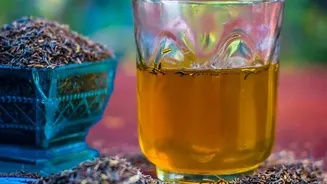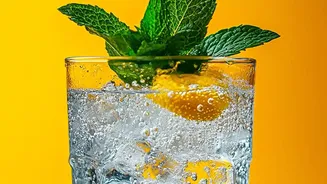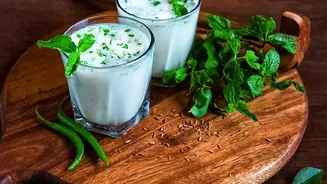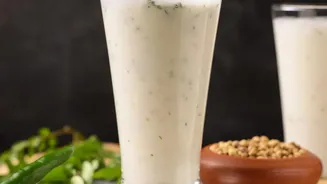







The sharp fizz, the tangy punch of black salt, the earthy aroma of roasted cumin—for generations, this was the unmistakable sensory signature of jeera soda, a beloved street-side digestive. But this humble drink is no longer just for roadside stalls.
From Street-Side Staple to National Trend
Cumin-flavoured fizzy drinks, long a staple of street carts and affectionately known as 'banta' or 'goli soda' in many parts of India, are experiencing a remarkable resurgence. Traditionally served in iconic Codd-neck bottles sealed with a marble, this drink was the original thirst quencher long before global cola brands arrived. But now, the familiar taste is appearing in sleek, modern packaging on supermarket shelves and as a trendy offering on the menus of chic cafes and upscale restaurants. This isn't just about nostalgia; it's a full-fledged market shift. Homegrown beverage brands are now challenging the dominance of international giants, reflecting a growing consumer appetite for familiar, traditional Indian flavours presented in a contemporary format.
The Rise of Homegrown Brands
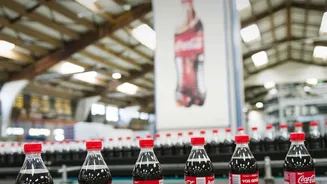
The movement is being led by a wave of Indian entrepreneurs and established companies alike. Brands like Lahori Zeera, which famously started from a kitchen experiment among three cousins, have seen explosive growth, expecting to generate revenues of up to $120 million. They are not alone. Companies such as Bindu, whose cumin soda has been in the market for decades, have seen the drink's contribution to their revenue double in just five years. Major players like Parle Agro with its 'Dhishoom' and Bisleri with 'Spyci Jeera' have also entered the fray, alongside a host of regional competitors. This boom has even caught the attention of global players, with Coca-Cola reportedly doubling production of its own cumin soda brand, Rimzim. The collective result is a significant disruption in the beverage market, with domestic brands capturing a growing share from the established duopoly of Coca-Cola and PepsiCo.
A Thirst for Health and Authenticity
So, what's driving this sudden surge in popularity? A major factor is a collective shift towards wellness and healthier consumption. Consumers are increasingly wary of the high sugar content in conventional soft drinks and are actively seeking alternatives that offer more than just empty calories. Cumin, or jeera, has long been a cornerstone of Indian home remedies, celebrated for its digestive properties. It's known to stimulate digestive enzymes, reduce bloating, and boost metabolism. As a result, jeera soda is perceived not just as a tasty beverage but as a functional one—a post-meal digestive aid or a natural coolant during hot Indian summers. This 'health halo' makes it an attractive choice for a growing segment of the population that prioritises both flavour and function.
A Modern Makeover for a Classic Taste
The success of modern cumin soda lies in its ability to bridge the gap between tradition and modernity. While the core flavour profile remains rooted in the classic recipe of roasted cumin, black salt, and lemon, brands are innovating to appeal to a new generation. The drink is now available in convenient cans and PET bottles, moving beyond the reusable glass 'banta' bottles of the past. Some brands are experimenting with low-sugar or zero-sugar formulations to cater to the health-conscious. Furthermore, cumin soda is finding new life in the culinary world. Bartenders and mixologists in trendy urban bars are incorporating it into creative cocktails, using its spicy, savoury notes to craft unique drinks that offer a distinctly Indian twist.