






The Friday Evening Exodus
Every Friday, as the work week in Bengaluru’s tech corridors winds down, a familiar migration begins. It’s not a mass departure for hometowns, but a targeted escape. Cars and rented vehicles point southwest, their occupants trading the city’s concrete
jungle for the promise of lush, rain-drenched hills. Their destination: Coorg. While the district, officially known as Kodagu, has always been a popular tourist spot, a specific trend has intensified in recent years. Young professionals, armed with little more than a backpack and a craving for quiet, are seeking out Coorg not in its sunny peak season, but during the heart of the monsoon. They are bypassing large resorts in favour of something more intimate: the local homestay.
The Potent Allure of a Rainy Paradise
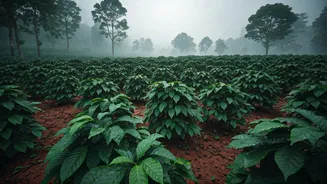
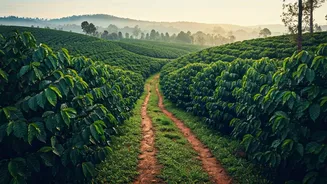
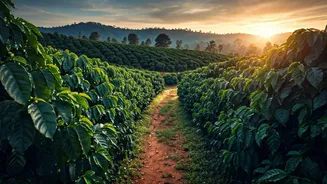
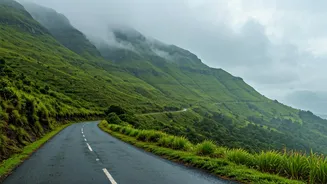
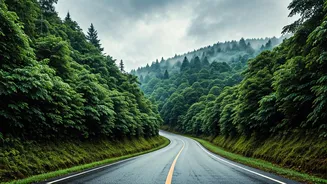
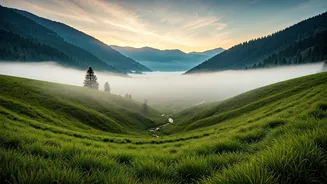
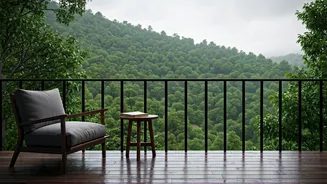
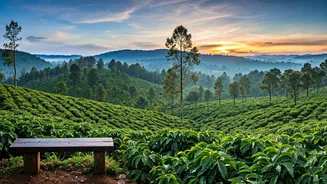
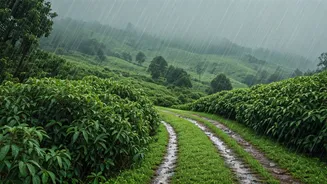
What drives this counter-intuitive travel choice? The answer lies in the unique sensory experience that a Coorg monsoon offers. This isn’t a trip for sightseeing in the traditional sense. It’s about atmosphere. The monsoon transforms the ‘Scotland of India’ into a mystical landscape of rolling mists, emerald-green coffee plantations, and the constant, soothing rhythm of falling rain. Waterfalls like Abbey and Iruppu, which can be underwhelming in the dry season, become thunderous spectacles. The air is thick with the smell of wet earth, blooming flora, and roasting coffee beans. For someone accustomed to the air-conditioned confines of an office and the blare of city traffic, this immersion in nature is a powerful balm. It’s a deliberate choice to slow down, to read a book on a verandah overlooking a misty valley, and to find peace in the downpour.
Why Homestays Are Winning
This search for authenticity is precisely why homestays have become the accommodation of choice. Unlike the standardised experience of a hotel, a homestay offers a window into the local Kodava culture. Guests are often welcomed into a family’s ancestral home, surrounded by generations of history. The real draw, however, is the food. The opportunity to savour home-cooked Pandi Curry (pork curry), Akki Roti (rice flatbread), and other local delicacies prepared by their hosts is a major attraction. Homestays provide a level of personalisation and warmth that larger establishments cannot replicate. Hosts double as local guides, suggesting hidden trails, the best time to visit a viewpoint, or where to buy the most authentic local spices and honey. This creates a more grounded and memorable experience, turning a simple weekend getaway into a cultural exchange.
Profile of the Monsoon Backpacker
The term 'backpacker' here is less about long-term, low-budget travel and more about a mindset. These are software engineers, marketing managers, startup founders, and designers from Bengaluru. They are digitally connected but seek temporary disconnection. Their 'backpack' often contains a laptop (just in case), a novel, a pair of sturdy shoes, and a desire for experiences over possessions. They are not looking for luxury amenities; they are looking for a clean, safe, and welcoming space that feels real. They plan their trips spontaneously, often deciding on a Wednesday to leave on a Friday. This flexible, experience-driven approach makes the informal and affordable nature of homestays a perfect fit for their travel style.
A Boost for the Off-Season Economy
For Coorg’s homestay owners, this trend has been a significant boon. The monsoon was traditionally considered the off-season, a quiet period with few visitors. Now, the influx of Bengaluru weekenders provides a steady and reliable source of income during these months. It has allowed many families to sustain their properties and preserve their heritage without being solely dependent on the peak tourist seasons of summer and winter. This symbiotic relationship, however, also brings a responsibility. As the trend grows, there is a rising awareness among both visitors and hosts about the need for sustainable tourism—minimising waste, respecting the local ecology, and ensuring that the very tranquility these travellers seek is not eroded by their growing numbers.