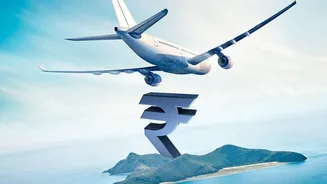







Understanding the 'Weak' Rupee
When you hear that the rupee is 'weakening' against the US dollar, it simply means you need to spend more rupees to buy one dollar. For example, if the exchange rate moves from ₹90 to ₹95 per dollar, the rupee has weakened. This makes anything priced
in dollars—from flight tickets to university fees—more expensive for someone earning in rupees. Global economic factors, interest rates, and trade deficits all influence these fluctuations, but the direct impact is felt most in our wallets when we plan international expenses.
The Immediate Hit on Travel Budgets
A depreciating rupee directly inflates the cost of international travel. Airfares, often benchmarked in US dollars, become costlier. A hotel room priced at $150 a night costs ₹13,500 at an exchange rate of ₹90/$, but that same room costs ₹14,250 if the rate slips to ₹95/$. This 5-6% increase applies across the board to meals, shopping, and local sightseeing. Over a ten-day trip, these seemingly small additions can amount to a significant budget overrun, forcing travellers to either shorten their trips or cut back on experiences.
The Heavy Burden on Students Abroad
Perhaps no group feels the pinch of a weak rupee more than Indian students studying abroad and their families. Tuition fees, often tens of thousands of dollars, can increase by lakhs of rupees with even minor currency depreciation. An annual fee of $50,000 balloons by ₹2,50,000 if the rupee weakens from ₹90 to ₹95 against the dollar. This doesn't just affect tuition; it also drives up the cost of accommodation and daily living expenses. Many families find that education loans taken out at the start of a degree are no longer sufficient by the final semesters, forcing them to seek additional funds.
Strategies to Mitigate the Cost
While you can't control exchange rates, you can plan smartly to lessen the impact. One of the most effective tools is a multi-currency forex card, which allows you to lock in an exchange rate in advance, protecting you from further depreciation. Booking flights and hotels well ahead of time can also help you avoid last-minute price hikes. It is also wise to avoid exchanging currency at airports, where rates are notoriously poor. Instead, use authorized money changers in India before you travel or withdraw local currency from ATMs abroad, ensuring you choose to be charged in the local currency, not rupees, to get a better rate.
Choosing Your Destination Wisely
A weaker rupee against the dollar or euro might make it a good time to explore destinations where the currency dynamics are more favourable. Countries in Southeast Asia like Vietnam and Thailand, or destinations in Eastern Europe, can offer better value for money. Researching and choosing a destination where the rupee holds stronger can allow you to have a fulfilling international experience without constantly worrying about your budget. Some travel experts note that a weak rupee is causing a clear shift towards short-haul and value-driven destinations.