




The Universe's Dusty Curtains
Space is not as empty as it looks. Between the stars lie enormous clouds of gas and microscopic particles of dust, made from elements like carbon and silicon. While these clouds are the very places where new stars and planets are born, they also act as cosmic
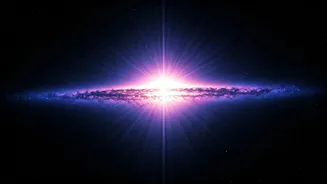
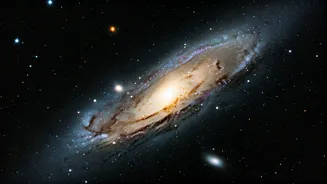
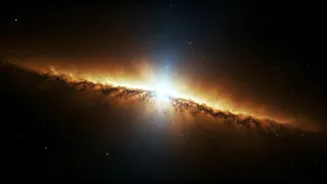
barriers. The dust particles are very effective at scattering and absorbing visible light—the kind our eyes can see—making it impossible for traditional telescopes to see what’s inside. It’s similar to how thick smoke can block your view of a fire. For centuries, these dusty regions, such as the centers of galaxies and stellar nurseries, remained shrouded in mystery.
A Different Kind of Light
The solution lies in using a type of light that dust can't easily block: infrared. Discovered in 1800 by William Herschel, infrared light is a form of radiation that we can feel as heat. Its wavelengths are longer than those of visible light. This is the key to its special ability. While the short wavelengths of visible light are just the right size to get blocked by tiny dust particles, the longer wavelengths of infrared light can pass through these dusty clouds much more easily. By building telescopes that can detect this invisible light, astronomers can effectively pull back the cosmic curtains and see the universe in a whole new way.
The Tools That See the Invisible
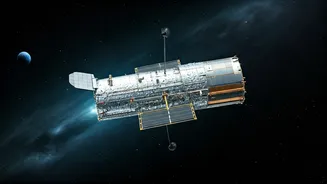
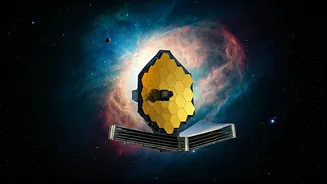
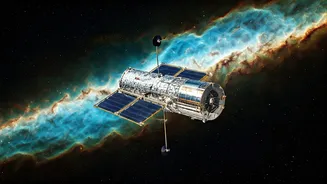
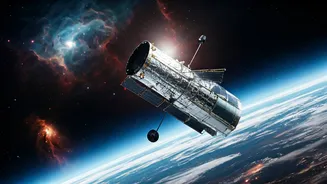
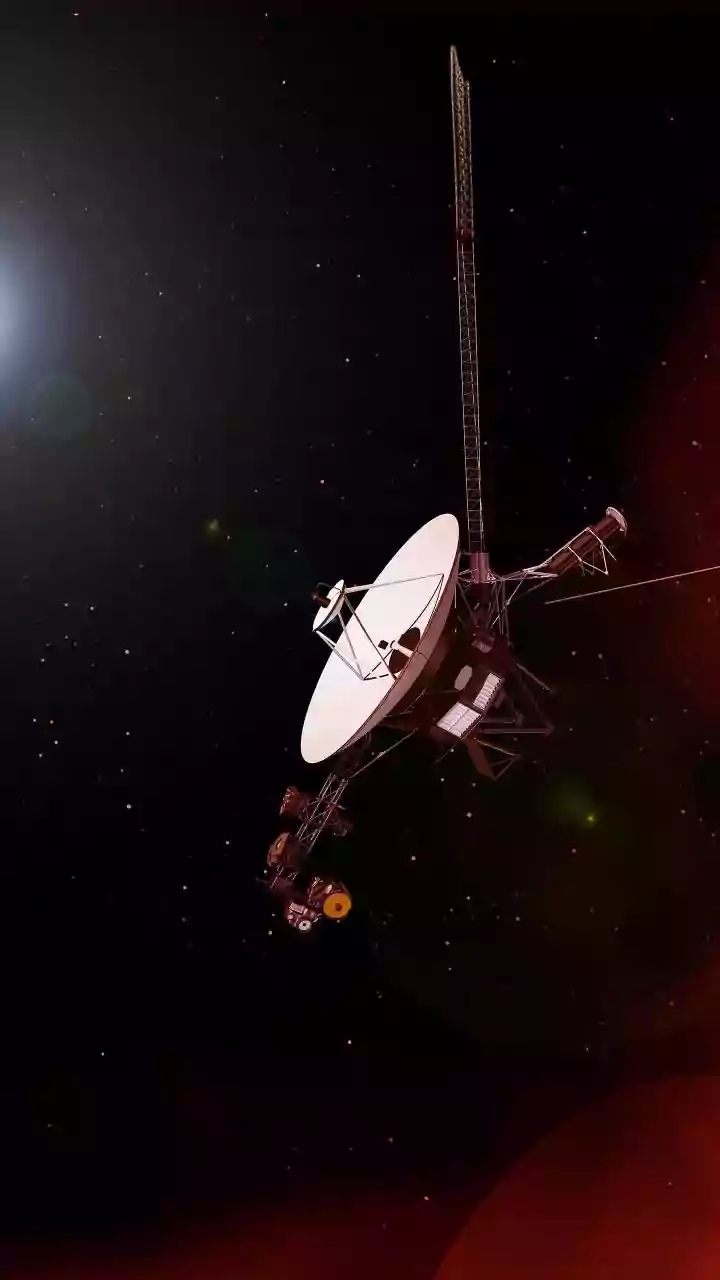
Observing in infrared isn't easy from Earth, as our own atmosphere absorbs much of this light. This is why scientists have sent powerful infrared observatories into space. Telescopes like the Spitzer Space Telescope and the Herschel Space Observatory pioneered this field, but the game-changer has been the James Webb Space Telescope (JWST). Launched in 2021, JWST is the largest and most powerful infrared telescope ever built. Its massive, gold-plated mirror is specifically designed to capture the faint infrared glow from the most distant and hidden corners of the cosmos with unprecedented detail.
Peeking into Stellar Nurseries
One of the most spectacular successes of infrared astronomy is observing the birth of stars. Iconic structures like the Pillars of Creation, which appear as dense, dark columns in visible light, are transformed when viewed in infrared. The dust becomes transparent, revealing thousands of previously unseen, brand-new stars glittering within and behind the pillars. Recent JWST images of regions like the FS Tau star system have given us an incredibly clear view of protostars—baby stars—shaping their dusty environments as they form, a process that was previously obscured. We can now witness the earliest stages of star and planet formation in stunning clarity.
Gazing at the Dawn of Time
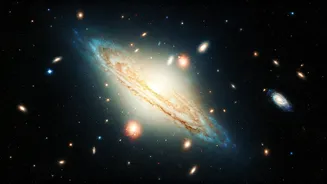
Infrared light doesn't just help us look through dust; it also allows us to look back in time. The universe has been expanding since the Big Bang, and as light from the very first galaxies travels across billions of light-years to reach us, its wavelength gets stretched out. Light that was originally visible or ultraviolet is stretched into the infrared part of the spectrum in a process called redshift. Telescopes like JWST can detect this faint, redshifted light, allowing us to see some of the first stars and galaxies that formed in the early universe, giving us clues about how everything we see today began.