


The Ancient Grain Powerhouse
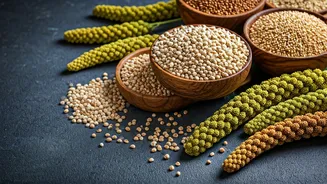
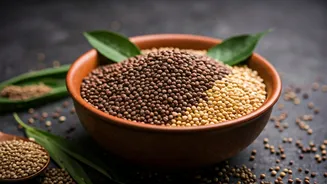
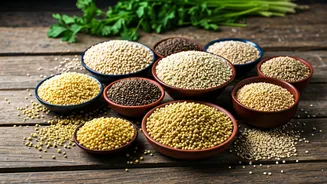
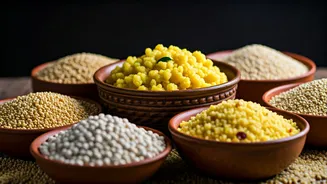
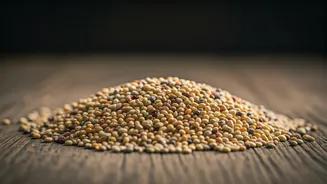
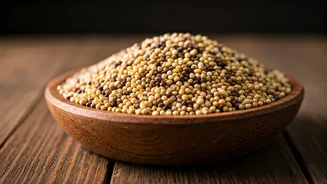
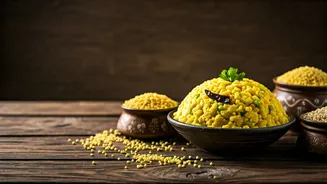
Amaranth, known as rajgira in India, isn't a newcomer. It's an ancient pseudocereal that was a staple for Aztec and Mayan civilizations thousands of years ago. Revered for its resilience and nutritional value, amaranth has made a significant comeback
in modern kitchens. What makes it so special? For starters, it's a complete protein, containing all nine essential amino acids. It's also naturally gluten-free and loaded with essential minerals like manganese, magnesium, phosphorus, and, notably, iron. A single serving can make a significant contribution to your daily iron needs, a mineral crucial for producing red blood cells and maintaining energy levels.
Why Amaranth Flour for Cookies?
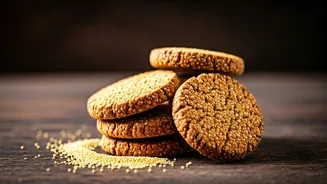
When it comes to baking, amaranth flour is a unique ingredient. Its high protein and fiber content give it a distinct structure. Because it's gluten-free, it doesn't create the chewy, elastic texture you'd get from wheat. Instead, it produces a denser, more tender, and wonderfully crumbly crumb. This is the secret to achieving that signature crunch in a tea cookie. The flour also imparts a subtle, earthy, and nutty flavour that beautifully complements spices like cardamom and cinnamon, as well as the richness of butter. Its high water-absorption capacity means you need to get the liquid balance right, but when you do, the result is a cookie that's satisfyingly crisp and anything but ordinary.
Crafting Your Crunchy Cookies: The Essentials
This recipe focuses on simple, quality ingredients to let the amaranth flour shine. You’ll need amaranth (rajgira) flour, unsalted butter at room temperature, powdered sugar for a fine texture, a pinch of salt to enhance the flavours, and a splash of vanilla extract. For that extra aromatic touch, a hint of cardamom powder is highly recommended. The butter provides richness and is key to a melt-in-the-mouth feel, while the sugar offers sweetness and helps the cookies spread to the perfect thickness. The amaranth flour is, of course, the star, providing the structure, nutrition, and that all-important crunch.
Step-by-Step to Perfection
Begin by preheating your oven to 180°C and lining a baking sheet with parchment paper. In a large bowl, cream the room-temperature butter and powdered sugar together until the mixture is light, pale, and fluffy. This step incorporates air, which is crucial for the cookie's final texture. Next, beat in the vanilla extract and cardamom powder. Gradually add the amaranth flour and salt, mixing on a low speed or by hand with a spatula until a soft, cohesive dough forms. Be careful not to over-mix. The dough will feel different from a wheat-based dough—denser and slightly crumbly. Roll the dough into small, evenly-sized balls and place them on the prepared baking sheet, leaving some space between them. Gently flatten each ball with your palm or the bottom of a glass. Bake for 12-15 minutes, or until the edges are golden brown. Keep a close eye on them, as amaranth flour can brown quickly.
Tips for the Ultimate Crunch
To guarantee a perfectly crunchy cookie, a few tricks can make all the difference. Chilling the dough for at least 30 minutes before baking is a great step. This solidifies the butter, which prevents the cookies from spreading too much and helps them maintain their shape, resulting in a thicker, crunchier biscuit. Don't be tempted to substitute all the fat with oil; the solid structure of butter is essential for the desired texture. Finally, let the cookies cool completely on the baking sheet for a few minutes before transferring them to a wire rack. They will continue to crisp up as they cool down. Storing them in an airtight container will keep them crunchy for days.