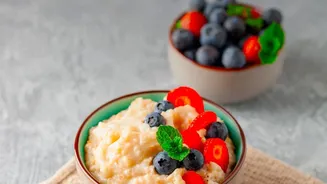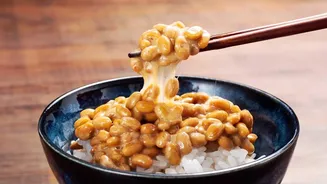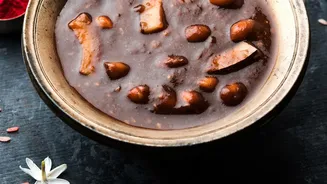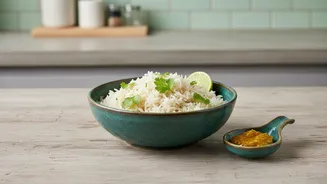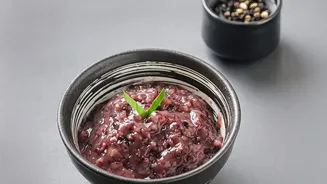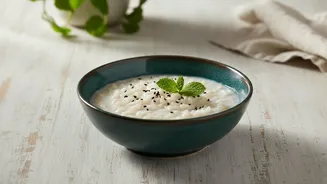





So, What Exactly Is It?
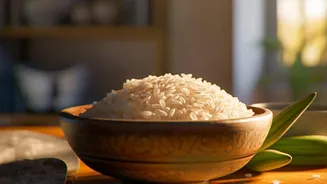
At its core, pazhanthanji is staggeringly simple. It’s made from leftover cooked rice that is soaked in water and left to sit overnight in a covered pot, traditionally an earthen one. This allows the rice to undergo a natural fermentation process. The
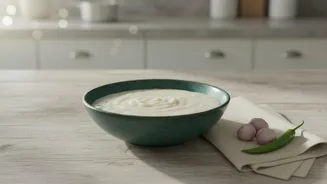
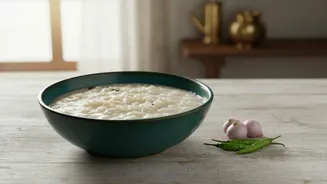
next morning, what was once plain rice has transformed into a slightly tangy, cooling porridge. It is traditionally eaten cold, often mixed with additions like yogurt or buttermilk, finely chopped shallots, green chilies, and a pinch of salt. Known by various names across India—including panta bhat and pakhala—this dish was long considered a rustic, sustaining meal for farmers and laborers who needed energy for a long day of physical work under the hot sun. Now, those same properties are catching the eye of the modern fitness community.
A Probiotic Powerhouse for Your Gut
The magic of pazhanthanji lies in its fermentation. That overnight soak isn't just for flavor; it’s a process that cultivates beneficial microorganisms, particularly lactic acid bacteria. This makes the porridge a natural, food-based probiotic. In an era where gut health is linked to everything from immunity to mood, a dish teeming with good bacteria is a welcome discovery. These probiotics can help balance the gut microbiome, potentially easing digestive issues like bloating and constipation. Some research has even pointed to its benefits for those with more serious conditions like Irritable Bowel Disease (IBD). Think of it as the original, low-tech answer to the expensive probiotic yogurts and kombuchas lining grocery store shelves.
Energy and Hydration Without the Crash
For anyone active, stable energy and proper hydration are paramount. Pazhanthanji delivers on both fronts. The fermentation process makes the nutrients in the rice, such as iron, potassium, and magnesium, more easily absorbed by the body. It’s also rich in B vitamins, including the often hard-to-get B12. While it provides carbohydrates for fuel, users report it feels light on the stomach and doesn't cause the sluggish feeling or sugar crash associated with many processed breakfast foods. Its high water content also makes it exceptionally hydrating and gives it a cooling effect, which is why it has been a staple in hot climates for centuries. It’s essentially a natural, time-tested sports drink and fuel source rolled into one.
From Ancient Staple to Modern Trend
So why is a generations-old dish suddenly gaining traction? The answer lies in a perfect storm of celebrity buzz and wellness trends. The porridge's profile exploded in India after popular actor R. Madhavan credited it as his go-to breakfast for staying fit. This, combined with a growing global interest in fermented foods, sustainability, and gut health, put pazhanthanji on the map for a new generation. It represents a shift back to basics—a 'superfood' that isn't engineered in a lab but created through a simple, natural process. Plus, its budget-friendly nature is a huge draw; it’s made from leftovers, making it one of the most accessible and waste-free wellness trends to emerge in years.
How to Try It at Home
Making your own pazhanthanji is incredibly easy. Start with about a cup of leftover cooked rice (brown or red rice works well) in a ceramic or glass bowl. Pour in enough room-temperature water to cover the rice by about an inch. Cover the bowl with a cloth or a loose-fitting lid and let it sit on your counter for 8 to 12 hours, or overnight. In the morning, the water will be slightly cloudy and the rice will have a subtle, tangy aroma. To serve, gently mash the rice with a spoon or your hand. Mix in plain yogurt or buttermilk for creaminess, a pinch of salt, some finely chopped shallots or red onion for crunch, and a minced green chili for a little heat. It's a refreshing, nourishing, and surprisingly delicious start to the day.