






1. Prioritise Home-Cooked Meals
Monsoon humidity creates a breeding ground for bacteria, increasing the risk of food and water contamination. This is the time to be wary of street food, especially items like golgappas, chutneys, and pre-cut salads that may be exposed to contaminated
water. Instead, focus on fresh, light, home-cooked meals. Opt for steamed or boiled vegetables over raw ones. Incorporating immunity-boosting ingredients like ginger, garlic, and turmeric into your cooking can also help your body fight off common infections.
2. Wage War on Mosquitoes
Monsoon means stagnant water, which is a perfect breeding ground for mosquitoes that transmit diseases like dengue, malaria, and chikungunya. Make it a daily habit to inspect your surroundings. Don't let water collect in flower pots, old tyres, air cooler trays, or any open containers. Use mosquito repellents, wear long-sleeved clothing, especially during dawn and dusk, and consider using mosquito nets at night. A clean, dry environment is your first line of defence.
3. Keep Your Feet Dry and Clean
Wading through dirty rainwater is sometimes unavoidable, but it exposes your feet to a host of fungal and bacterial infections, like athlete's foot. Make it a rule to wash your feet with soap and clean water as soon as you get home. Dry them thoroughly, especially between the toes. Avoid wearing closed, leather, or canvas shoes that trap moisture. Instead, opt for rubber sandals, floaters, or gumboots that dry quickly and offer better grip on slippery surfaces.
4. Waterproof Your Daily Commute
Don't let a sudden downpour ruin your day or your gadgets. Invest in a good-quality waterproof backpack or carry a separate dry bag for your laptop, phone, and wallet. Always keep a sturdy umbrella and a lightweight raincoat handy. If you drive, be extra cautious on waterlogged roads, avoid speeding, and ensure your car's tyres and wipers are in good condition. A little preparation can make your journey significantly less stressful.
5. Mind Your Electricals
High humidity and damp walls can increase the risk of electrical shocks and short circuits. Before the monsoon properly sets in, get a professional to check your home's wiring for any faults or exposed wires. Avoid touching switches with wet hands. It’s also wise to unplug electronic devices like TVs and computers during heavy thunderstorms with lightning to protect them from power surges. Using a surge protector for expensive electronics is a smart, year-round habit.
6. Drink Only Purified Water
Water-borne diseases like jaundice, typhoid, and cholera are rampant during the rainy season as groundwater gets contaminated. It's crucial to ensure the water you drink is safe. The most reliable method is to boil your drinking water for at least one minute. If you use a water purifier, ensure it is serviced regularly and the filters are changed on time. Avoid drinking water from outside sources unless you are sure it's purified.
7. Choose Your Fabrics Wisely
Damp clothes not only take forever to dry in the monsoon but can also lead to fungal growth and musty odours. This is the season to pack away your heavy denims and thick fabrics. Instead, opt for light, breathable materials like cotton, nylon, or polyester blends that dry quickly. Wearing loose-fitting clothes also helps prevent skin irritation and infections caused by constant dampness and friction.
8. Fortify Your Immunity
The monsoon brings a spike in viral fevers, coughs, and colds. Strengthening your immune system is key to staying healthy. Apart from a balanced diet, consider adding natural immunity boosters to your daily routine. A cup of herbal tea (tulsi, ginger, and honey) can be soothing and beneficial. Ensure you get adequate sleep and manage stress, as both have a direct impact on your body's ability to fight off infections.
9. Protect Your Home from Dampness
Humidity can wreak havoc inside your home, causing wooden doors and furniture to swell and a musty smell to develop. Ventilate your house by opening windows for a few hours on sunny or dry days. In wardrobes and cabinets, you can place moisture-absorbent materials like silica gel pouches, neem leaves, or camphor balls to protect your clothes and prevent the growth of mould. This simple habit preserves your belongings and improves indoor air quality.
10. Prepare a Power-Cut Kit
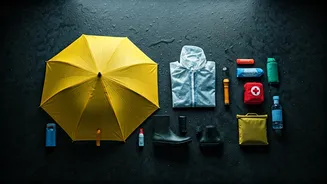
Heavy rains and strong winds often lead to frequent power cuts. Being prepared can prevent a lot of inconvenience. Assemble a simple emergency kit that includes a powerful torch or emergency light, a fully charged power bank for your phone, a stock of candles, and a matchbox or lighter. Having these items in an easily accessible place means you won’t be scrambling in the dark when the power goes out.