




The Magic of Folding Furniture
Foldable furniture is the original space-saver, and modern designs are more innovative than ever. These pieces perform their function when you need them and virtually disappear when you don't, freeing up precious floor space. A wall-mounted drop-leaf
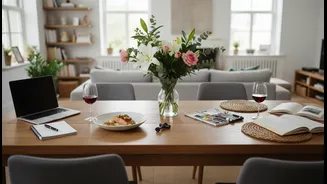
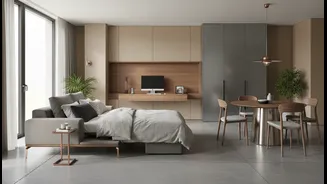
table, for instance, can serve as a dining area, a work-from-home desk, or a prep counter in the kitchen. When meals are over or the workday is done, it folds flat against the wall. Similarly, foldable chairs can be brought out for guests and then hung on hooks or tucked into a slim closet. Perhaps the most dramatic example is the Murphy bed, which allows a bedroom to double as a home office or living area during the day by folding vertically into a cabinet. These solutions are ideal for studio apartments and 1BHKs where every square foot is prime real estate.
Embrace Mobility with Wheels
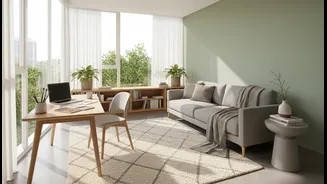
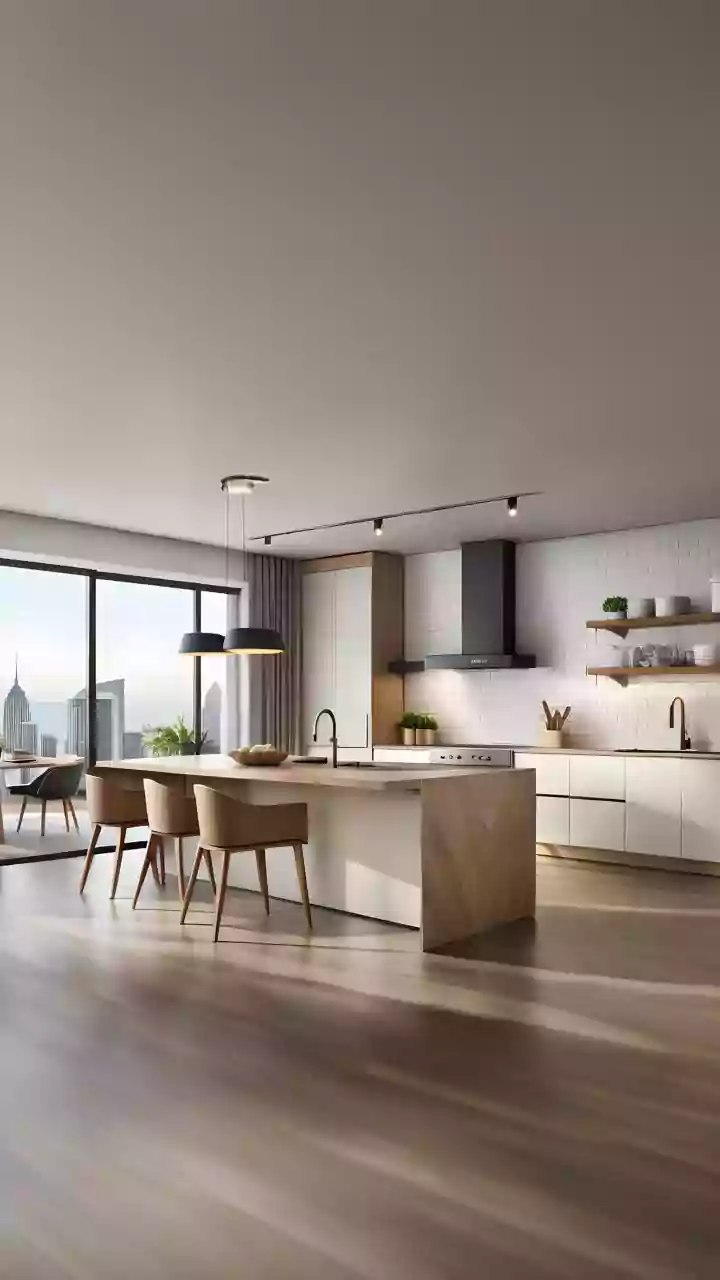
Why should furniture be static? Adding wheels, or casters, to key pieces introduces a level of flexibility that can completely change the dynamics of a room. A rolling kitchen island or bar cart can be moved to where it's most needed, serving as extra counter space for cooking or a serving station during a party. Side tables and coffee tables on wheels can be easily pushed aside to make room for a yoga mat or rolled closer to the sofa to hold snacks and drinks. Even office desks are now designed with mobility in mind, allowing you to change your work environment from the study to a sunlit living room corner. This ability to reconfigure your space on the fly makes your home feel more dynamic and responsive to your daily needs.
The Champions of Multitasking
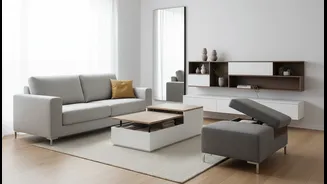
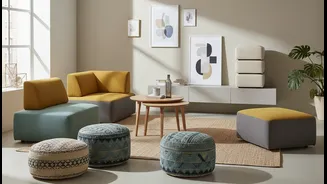
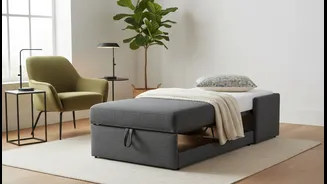
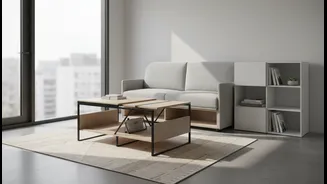
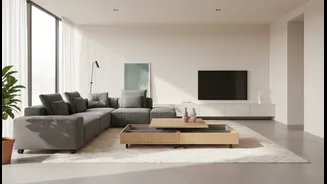
Multifunctional furniture is where design gets truly clever, with single items performing two, three, or even more roles. The classic sofa-cum-bed is a prime example, providing comfortable seating by day and a guest bed by night, a staple for many Indian homes. Modern versions often include built-in storage for bedding, making them even more efficient. Storage ottomans are another versatile hero; they can be used as a footrest, extra seating, or a coffee table, all while hiding away everything from blankets to magazines. Lift-top coffee tables transform into convenient work desks or dining surfaces, revealing hidden storage compartments underneath. In the bedroom, hydraulic or gas-lift beds provide enormous storage capacity for seasonal clothes and luggage, often eliminating the need for an extra cupboard.
Thinking Vertically with Smart Storage
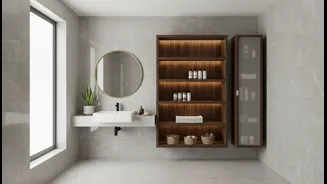
When floor space is limited, the only way to go is up. Vertical storage is a key strategy for decluttering and creating a sense of openness. Instead of bulky, floor-standing units, opt for wall-mounted shelves and floating media consoles. These not only provide ample storage for books, decor, and electronics but also keep the floor clear, which makes a room feel larger and easier to clean. A tall, slim shelving unit can hold a surprising amount without a large footprint. In the bedroom, a headboard with built-in shelving can replace traditional bedside tables, offering a spot for your phone, a glass of water, and a book. By making use of your walls, you maximize storage potential without sacrificing living area.
Choosing the Right Scale and Style
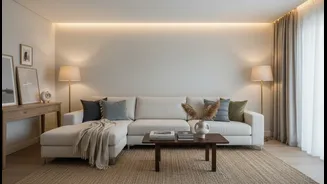
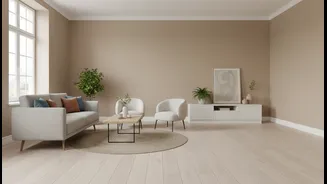
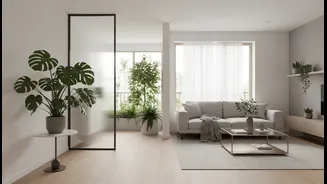
Beyond function, the visual weight of your furniture matters. Opt for pieces with exposed legs, as seeing the floor underneath creates an illusion of more space. Heavy, dark furniture can make a room feel smaller, so choosing lighter colours and materials like pale wood can make the space feel more airy. Glass or transparent elements also help, as they take up less visual space. Finally, ensure your furniture is appropriately scaled for the room; an oversized sofa will overwhelm a small living area. By combining these principles with smart, multitasking furniture, you can create a compact home that is not just functional but also a stylish and comfortable sanctuary.