

Meghalaya’s Living Root Bridges
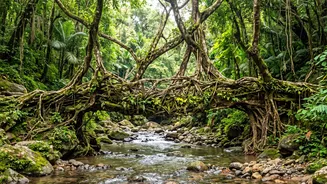
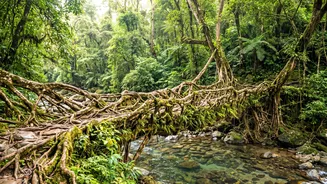
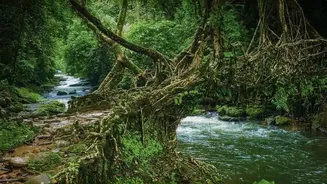
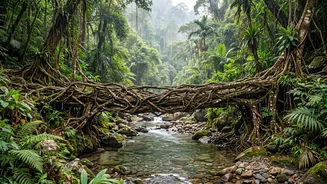
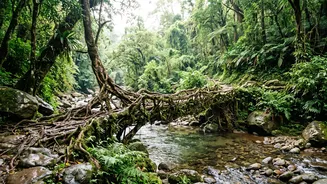
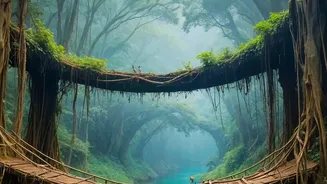
Deep in the rain-soaked hills of Meghalaya, the Khasi and Jaintia people have perfected a form of natural engineering that defies modern construction. For centuries, they have guided the aerial roots of the Ficus elastica (rubber fig) tree across rivers
and gorges. Instead of building with wood or steel that would rot and rust in one of the wettest places on Earth, they cultivate living, breathing bridges. These structures, known as Jingkieng Jri, start as thin, pliable roots trained along bamboo scaffolding. Over decades, they thicken, intertwine, and fuse together, growing stronger with each passing year. The most famous of these, the Umshiang Double-Decker Bridge in Nongriat village, is a two-tiered marvel believed to be over 200 years old, a testament to a unique harmony between humanity and nature.
Your Trail to the Bridges
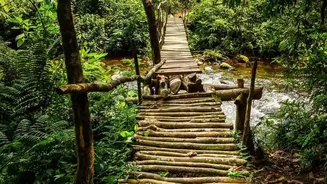
Reaching these natural wonders on a backpacker's budget is a rewarding journey. The adventure typically begins from Guwahati, the main gateway to the Northeast. From there, affordable shared sumos or taxis make the scenic three-hour journey to Shillong, Meghalaya’s capital. After acclimatizing, your next leg is another shared taxi to Cherrapunji, locally known as Sohra. The final step is getting to Tyrna village, the starting point for the famous trek, which can be reached by a local bus or taxi from Sohra. The trek itself is the main event: a descent of approximately 3,000 stone steps through lush forest, crossing rickety suspension bridges and passing smaller root bridges before you arrive in the serene village of Nongriat.
Budget Stays and Smart Travel
The key to unlocking this experience affordably is embracing local hospitality. Nongriat and the surrounding Cherrapunji area are dotted with budget-friendly homestays run by local families. For as little as ₹500 to ₹1500 a night, you get a clean place to sleep and delicious home-cooked meals. Staying overnight in Nongriat village is highly recommended. It allows you to explore the Double Decker bridge in the quiet morning light, swim in crystal-clear natural pools, and even trek further to the spectacular Rainbow Falls without rushing. The trek is physically demanding, so travel light. You can often leave your main backpack at a guesthouse in Tyrna or Cherrapunji for a small fee and descend with only the essentials.
Arunachal Pradesh: The Next Frontier
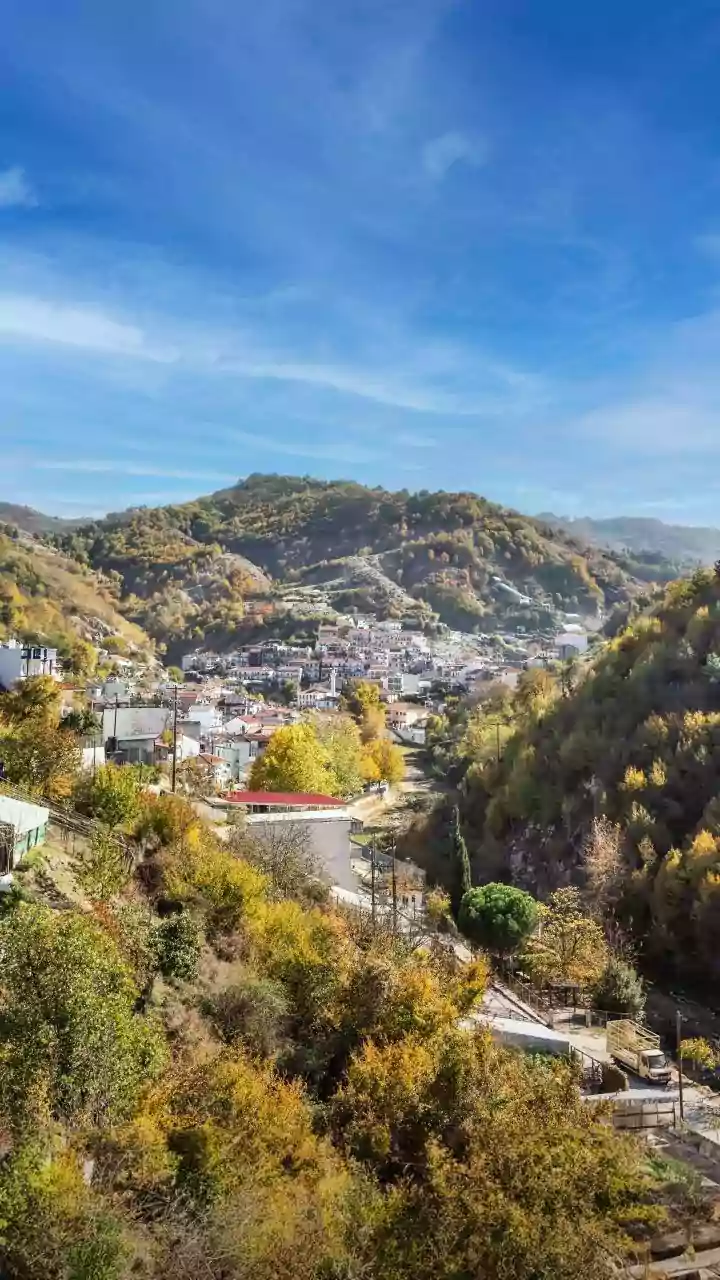
While the living root bridges are exclusively a marvel of Meghalaya, your backpacking journey through the Northeast shouldn't end there. Arunachal Pradesh offers a different, but equally compelling, adventure. Known as the 'Land of the Dawn-Lit Mountains', this state is a frontier of pristine landscapes, vibrant tribal cultures, and serene monasteries. For Indian travelers, an Inner Line Permit (ILP) is required, which can be easily applied for online and is a crucial first step in your planning. Backpacking here means navigating through designated tourist circuits, such as the popular route covering Bhalukpong, Dirang, and the famous Tawang Monastery, or exploring the cultural richness of Ziro Valley.
Exploring Arunachal on a Budget
Like in Meghalaya, shared sumos are the lifeblood of transport in Arunachal, connecting towns along winding mountain roads. Accommodation is primarily in guesthouses and homestays, which offer an authentic glimpse into local life. While slightly more planning is needed due to its remote nature and permit requirements, the rewards are immense. You can explore the ancient traditions of the Apatani tribe in Ziro, witness the breathtaking beauty of Sela Pass on the way to Tawang, or visit the Indo-China border at Bumla Pass for a dose of high-altitude patriotism. A trip to Arunachal is about immersing yourself in landscapes that feel untouched by time, making it a perfect complement to the lush, green world of Meghalaya.