


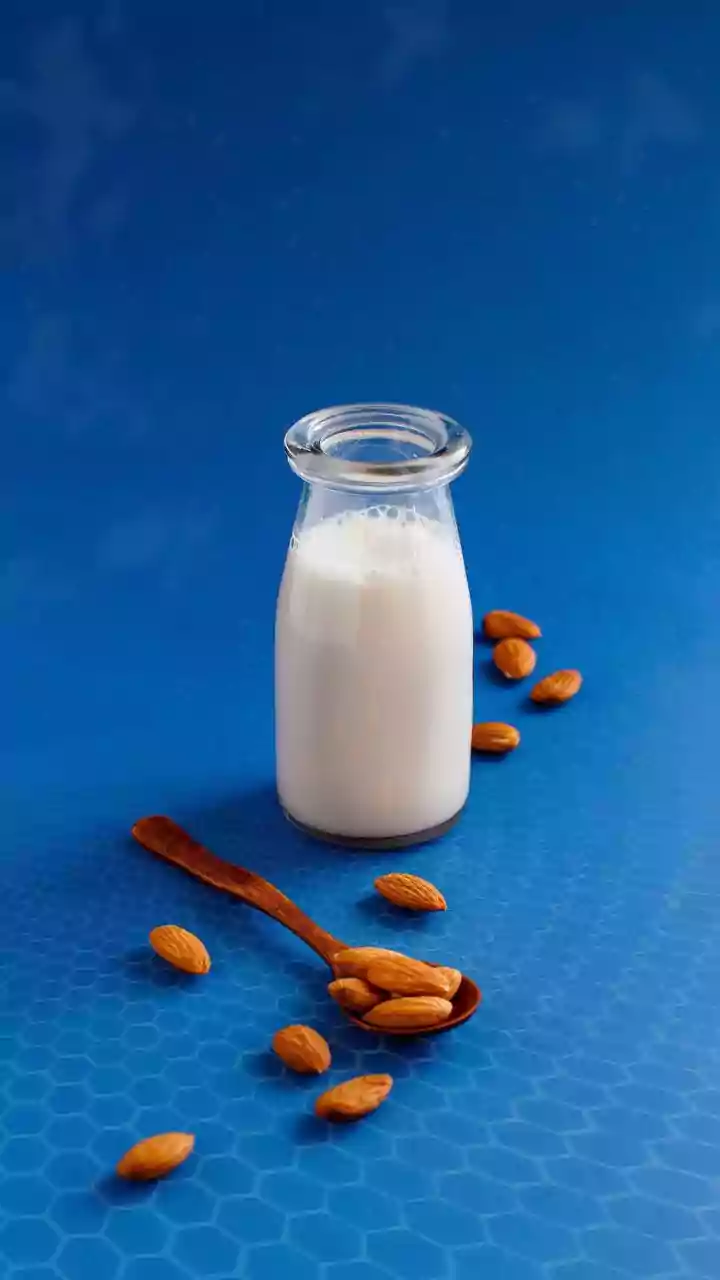



Beyond Almond and Soy
For years, the dairy-free aisle has been dominated by plant-based milks made from nuts, soy, and oats. While popular, these alternatives often fall short of replicating the unique taste, texture, and nutritional profile of cow's milk, particularly its
proteins: casein and whey. These proteins are what make cheese stretchy and ice cream creamy. Now, a new wave of biotech startups is moving beyond plants to tackle this challenge head-on. They are not making another plant-based alternative; they are producing real, molecularly-identical dairy proteins, effectively decoupling milk from the animal.
Decoding Precision Fermentation
So, how is this possible? The technology is called precision fermentation, and it works in a way that’s similar to brewing beer or making yoghurt. It starts by taking the specific gene that instructs a cow to produce a milk protein, like whey. This genetic code is then inserted into a microorganism, such as yeast or fungi. These microbes are placed in large steel fermentation tanks and fed simple sugars and nutrients. Acting as tiny, efficient factories, they multiply and produce vast quantities of pure milk protein, identical to the kind cows make. The final product is a pure protein powder, free from lactose, cholesterol, hormones, or antibiotics. This powder can then be used by food manufacturers as an ingredient to create a wide range of dairy products.
The Sustainability Promise
The primary driver behind this innovation is sustainability. Traditional dairy farming is one of the most resource-intensive forms of agriculture on the planet. It requires vast amounts of land for grazing and growing feed, enormous volumes of water, and is a significant source of greenhouse gas emissions, particularly methane. Precision fermentation offers a radical improvement. Studies and company data suggest that producing dairy proteins this way can use over 90% less land and water, while generating more than 80% fewer carbon emissions compared to conventional methods. By moving production from the farm to a fermentation facility, startups aim to create a food system that is more efficient, less polluting, and far more scalable.
India's Emerging Role
India, the world's largest milk producer, is becoming a strategic hub for this burgeoning industry. A handful of innovative local startups are making their mark. Gujarat-based Zero Cow Factory is focused on producing animal-free casein, the complex protein that gives cheese its unique properties. In Bengaluru, Phyx44 is also developing a range of dairy proteins and fats. Recently, StrainX Bioworks emerged from stealth with significant funding to advance its work in this space. The potential has also attracted global leaders like US-based Perfect Day, which has invested in manufacturing facilities in Gujarat, signalling confidence in India's capacity for large-scale biomanufacturing.
Hurdles to the Mainstream
Despite its immense potential, the path to your local grocery store is not without challenges. The biggest hurdle is scale. Ramping up production to a level that can compete with the massive, established dairy industry on price is a significant undertaking. Startups need to build large, expensive fermentation facilities to bring costs down. Another challenge is regulation; each new product must navigate food safety approvals, like those from the FSSAI in India. Finally, there's consumer acceptance. Companies must educate the public on what precision fermentation is and convince them that the products are safe, natural, and just as delicious as their traditional counterparts, overcoming potential hesitation around new food technologies.