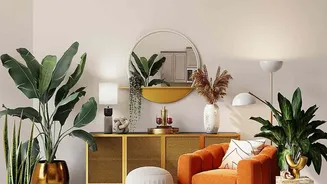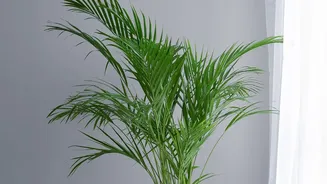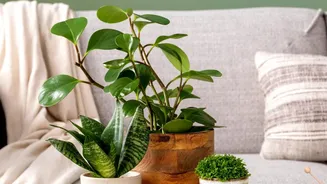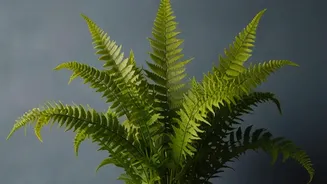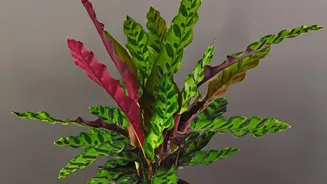


Bringing a touch of the tropics indoors can transform any space, but the secret to a lush home garden isn't just a green thumb—it's science. Matching the right plant to the right place is the foundation of successful plant parenthood.
First, Understand Your Light
Before you buy a
single plant, take a day to observe the light in your home. Light is the most critical factor for indoor plants. What plant growers call 'bright, indirect light' is the gold standard for most tropicals, but what does that mean in your flat? An easy way to test this is the shadow method. Place your hand about a foot from a surface; a sharp, clearly defined shadow indicates direct sun, which can scorch the leaves of many tropicals. A soft, fuzzy shadow means you have bright, indirect light. A very faint, barely visible shadow signifies low light. North-facing windows typically offer low light, while east-facing windows provide gentle morning sun. A spot a few feet away from a south or west-facing window often gives that perfect bright, indirect exposure.
Plants for Bright, Indirect Light
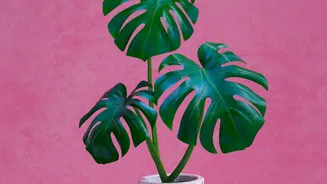
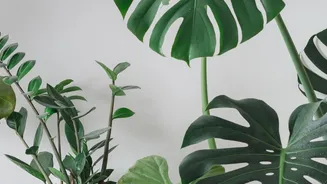
Spaces blessed with ample, filtered sunlight are ideal for many show-stopping tropical plants that thrive in these conditions. The Monstera Deliciosa, or Swiss Cheese Plant, is a classic choice, loved for its iconic split leaves that bring a dramatic, jungle-like feel to a room. Another popular option is the Ficus Lyrata, or Fiddle-Leaf Fig, known for its large, violin-shaped leaves that make it a stunning focal point. For a pop of colour, the Anthurium, with its glossy, heart-shaped 'flowers' (which are actually colourful spathes), flourishes in these conditions. These plants enjoy the brightness but need protection from the harsh direct sun common in Indian afternoons, which can burn their foliage.
Thriving in Medium and Low Light
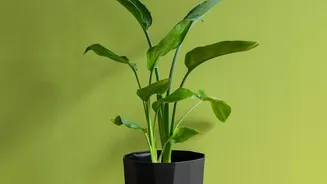
Not every corner of the home is brilliantly lit, but that doesn't mean it has to be devoid of greenery. Many plants have adapted to the understory of dense forests and are perfectly happy in medium to low-light conditions. The Snake Plant (Sansevieria) is famously resilient, tolerating very low light and infrequent watering, making it perfect for beginners or forgetful owners. Similarly, the ZZ Plant (Zamioculcas zamiifolia) is nearly indestructible, with waxy, dark green leaves that remain vibrant even in dim corners of a room or office. The Peace Lily (Spathiphyllum) is another excellent choice; not only does it tolerate lower light, but it also produces elegant white blooms and conveniently droops its leaves to tell you when it needs water.
Easy-Care Options for Any Setting
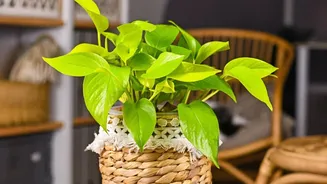
If you are just starting your indoor gardening journey, some plants are exceptionally forgiving. The Money Plant (Epipremnum aureum or Pothos) is arguably the most common houseplant in India for a reason. It can thrive in a wide range of light conditions, from low to bright indirect, and can even grow in just a jar of water. Its trailing vines are perfect for shelves and hanging baskets. The Philodendron, with its lovely heart-shaped leaves, is another versatile and adaptable choice that does well in low to medium light. These plants are not only hardy but are also excellent air purifiers, making them a functional and beautiful addition to any home.
Don't Forget Water and Humidity
While light is crucial, tropical plants also have specific needs regarding water and humidity. Hailing from rainforests, most of these plants appreciate higher humidity than is found in an airconditioned room. Grouping plants together can create a more humid microclimate. For plants like Alocasia or ferns, placing them in a bathroom or using a pebble tray with water can help. When it comes to watering, a common mistake is overwatering, especially in lowlight conditions where plants grow slower and use less water. A good rule of thumb is to check the top inch or two of soil; if it's dry to the touch, it's time to water. During humid monsoon months, you will likely need to water less frequently than in the dry summer.