
Beyond the Golden Triangle
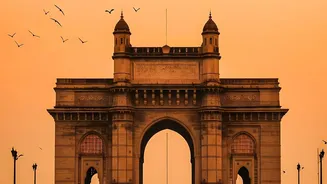
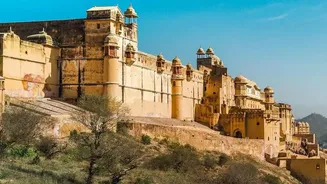
For decades, travel photography in India was synonymous with a well-trodden circuit: the Taj Mahal, the forts of Rajasthan, and the ghats of Varanasi. While these iconic locations remain powerful subjects, there is a clear shift towards exploring the nation's
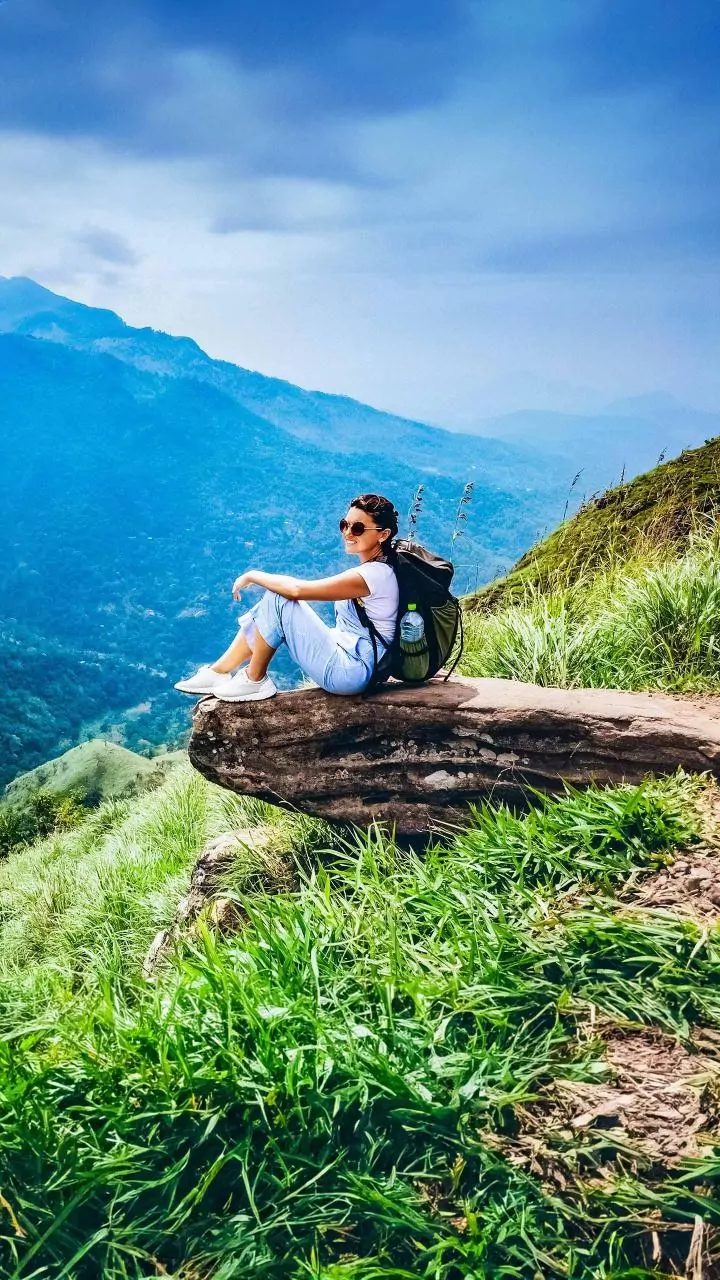
lesser-known corners. Photographers are now venturing to places like the lush river island of Majuli in Assam, the forgotten temples of Orchha in Madhya Pradesh, and the quiet hill stations of Ponmudi in Kerala. The goal is no longer just to capture a famous landmark but to tell a deeper story about a place, its people, and its unique culture. This move towards offbeat destinations is partly driven by a desire for authenticity and a reaction against the crowded, overly-photographed tourist hubs.
The Rise of Niche Photography
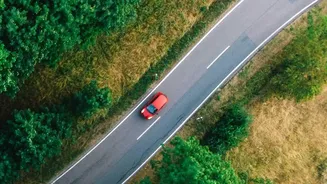
The definition of travel photography itself is expanding. One of the most significant new trends is astrophotography. With growing light pollution in cities, photographers are travelling to remote, dark-sky locations like Spiti Valley, Ladakh, and parts of the Rann of Kutch to capture the Milky Way. This has spurred a rise in 'astro-tourism', with dedicated workshops and tours catering to this interest. Similarly, the accessibility of high-quality drones has opened up new aerial perspectives on familiar landscapes, from the tea gardens of Munnar to the marble rocks of Bhedaghat. This technological shift allows for compositions that were previously impossible, offering a completely new way to see and frame the Indian landscape.
The Social Media Effect
Social media platforms, especially Instagram, have a dual impact on this trend. On one hand, they are a major source of inspiration, with viral reels and stunning images turning 'hidden gems' like Ziro Valley into sought-after destinations overnight. Studies show a significant percentage of Indian travellers use platforms like YouTube and Instagram for travel ideas. On the other hand, this very phenomenon pushes serious photographers to innovate. To stand out in a sea of similar images, they are forced to find unique angles, explore more remote areas, and focus on genuine human moments rather than staged 'Instagrammable' shots. This has created a dynamic where social media both creates trends and encourages artists to break away from them.
A Search for Culture and Connection
Modern photography travel is increasingly about the experience, not just the image. There's a growing interest in documenting India's incredible diversity of cultures and traditions. This includes everything from the ancient Apatani tribe in Arunachal Pradesh's Ziro Valley to the vibrant Pushkar Camel Fair in Rajasthan. Photographers are embedding themselves in local life, connecting with people, and seeking to capture the essence of a place with respect and sensitivity. Many are joining specialized photo tours and workshops led by professional photographers. These curated experiences provide deeper access to communities and teach participants not just technical skills, but also the ethics of capturing people and their stories in a meaningful way.