





Understanding the Price Hike
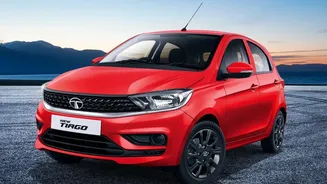
Tata Motors will increase the prices of its cars and SUVs by up to ₹25,000 starting September 1. This increase will apply to the entire portfolio, including petrol, diesel, CNG, and electric vehicles (EVs). The company has stated that the exact price change
will vary depending on the specific model and variant. This decision is a response to rising input costs and sustained inflationary pressures, a reason echoed by other manufacturers like Hyundai, which also announced a price increase for September. This is not the first time Tata has adjusted prices in 2026; previous hikes occurred in April and July, signaling a consistent trend of rising costs in the auto industry.
The Case for Buying in August
The most straightforward argument for buying now is to save money. A car invoiced before September 1 will have the current, lower price, potentially saving you up to ₹25,000. Furthermore, Tata is offering significant discounts and benefits throughout August 2026. These offers, which vary by model, can include cash discounts, exchange bonuses, and loyalty rewards, with total benefits reaching up to ₹3.5 lakh on select EV models and up to ₹1.25 lakh on some internal combustion engine (ICE) cars. For example, models like the Tata Curvv, Altroz, and Nexon are available with attractive schemes. Combining these August offers with the pre-hike price could represent the best possible deal you might get for some time.
The Waiting Period Dilemma
Here's the catch: locking in the current price often depends on getting your car invoiced before the deadline, and long waiting periods can complicate this. High-demand models, particularly EVs like the Punch EV and Tiago EV, have waiting periods that can stretch from several weeks to even eight months in some cases. The Punch EV, for instance, has seen demand far outstrip supply. If you book a car in August but the delivery and final invoice are delayed until September or later, you may not be protected from the price increase. It is crucial to get a clear confirmation from your dealership on whether they can guarantee price protection at the time of booking for vehicles with long waiting lists.
Is There Any Reason to Wait?
While saving money is a priority, there can be strategic reasons to wait. The automotive market is dynamic, and waiting might mean gaining access to a newer, facelifted model with better features. Tata is known for constantly updating its lineup with new technology and variants. Additionally, the festive season, which typically begins around September and October, sometimes brings new financing schemes or special editions, although these are not guaranteed to offset a price hike. If your desired model has a very long waiting period, waiting might be unavoidable anyway. This also gives you more time to see what competitors are launching, as the market is getting increasingly crowded, especially in the EV segment.
A Checklist to Help You Decide
To make the right call for your situation, ask yourself these questions: 1. Which specific model and variant do I want? Check its current waiting period with multiple dealers. 2. Can the dealer provide a written guarantee of price protection if the delivery is delayed past September 1? 3. What are the total August discounts available for my chosen model? Calculate the net savings by adding the discount to the impending price hike. 4. Am I in a hurry, or can my purchase wait a few months? If you can wait, you might benefit from a newer version of the car, though likely at a higher price. 5. Have I compared the final on-road price from different dealerships? Offers can vary, so it pays to shop around.