




The Science of Slow, Even Heat
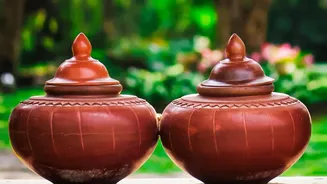
The magic of clay pot cooking begins with its material. Clay is naturally porous, meaning it's filled with microscopic holes. Unlike metal pans that heat up quickly and can create hot spots, a clay pot absorbs heat slowly and distributes it gently and evenly
across its entire surface. This steady, all-around warmth allows food to cook uniformly without the risk of scorching or burning. This process ensures that ingredients are cooked thoroughly from all sides, allowing flavours to meld gradually instead of being rushed by aggressive, high heat.
Locking in Moisture and Nutrients
The porous nature of clay is also key to retaining moisture. As food heats up, it releases steam. In a clay pot, the porous walls absorb this moisture and then slowly circulate it back into the dish. This creates a self-basting environment, cooking ingredients in their own natural juices. This gentle cooking method is crucial for preserving heat-sensitive and water-soluble nutrients, like vitamins and minerals, that are often lost in high-heat or high-pressure cooking. Because the steam is locked in, food remains tender and succulent, preventing the dryness that can occur in other types of cookware.
Deeper, More Complex Flavours
This slow, moist cooking environment does more than just preserve nutrients; it fundamentally deepens the flavour of the food. The consistent, gentle heat allows spices and seasonings to fully infuse into the ingredients, creating a richer and more aromatic result. This slow-cooking process encourages complex chemical reactions that build savoury notes, resulting in a depth of flavour that is hard to replicate with faster methods. Furthermore, the clay itself imparts a subtle, earthy aroma that adds a unique and comforting dimension to dishes like curries, biryanis, and dals.
The Alkaline Advantage for Health
Unglazed clay is naturally alkaline. When you cook acidic foods like tomatoes, tamarind, or citrus in a clay pot, the clay interacts with the acids and helps to neutralise their pH. This can make the resulting dish gentler on the stomach and easier to digest, which is particularly beneficial for those sensitive to acidic foods. This balancing act not only aids digestion but can also round out the flavour, giving acidic dishes a natural sweetness. Some traditional wisdom and modern proponents also suggest that the clay imparts trace minerals like calcium, magnesium, and iron into the food during the cooking process.
Healthier Cooking with Less Oil
One of the most practical benefits of clay pot cooking is the reduced need for oil or fat. Because the pot’s structure naturally retains and circulates moisture, it prevents food from sticking and drying out. This means you can achieve tender, flavourful results with significantly less oil than you might use in a metal pan. For those looking to prepare healthier meals, this makes clay pot cooking an excellent choice for reducing fat content without sacrificing taste or texture.