




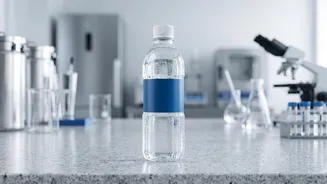

From the local kirana store to the seat pocket of an express train, the plastic water bottle is a symbol of modern Indian life. It's a quick fix for thirst, a promise of safety, and a massive, multi-billion dollar industry built on necessity.
A River of Revenue
The scale
of India's thirst for packaged water is staggering. In 2026, the market is valued at approximately USD 4.25 billion (around ₹35,000 crore) and is projected to more than double by 2032, expanding at a compound annual growth rate (CAGR) of nearly 14%. This rapid expansion is driven by a confluence of factors: rising disposable incomes, rapid urbanization, and growing health consciousness among consumers. Packaged drinking water, distinct from natural mineral water, makes up the lion's share of this market, accounting for nearly 90% of sales. Small bottles of up to two litres are the most popular format, dominating retail and on-the-go consumption, a familiar sight for millions of daily commuters.
The Drivers: Convenience and Concern
Why has bottled water become so indispensable? The primary driver is the inconsistent quality and supply of municipal tap water. With contaminants like fluoride and arsenic found in groundwater sources in several regions, many households and businesses turn to packaged water as a reliable and safe alternative. This shift is amplified by changing lifestyles. India's growing urban population, which reached over 535 million in 2024, leads a more mobile life, creating immense demand for portable hydration solutions in offices, on public transport, and during travel. The perception of bottled water as a clean, hygienic, and convenient choice has transformed it from a travel-centric product into an everyday necessity for millions.
The Battle of the Brands
The market is a mix of organised giants and a vast, fragmented network of local players. Three names dominate the national consciousness: Bisleri, Kinley (from Coca-Cola), and Aquafina (from PepsiCo). Bisleri leads the pack with a significant market share, built on decades of brand trust and an extensive distribution network. Together, the top five players, which also include Parle Agro's Bailley and Tata Consumer Products, command about 35% of the market. However, thousands of regional and unorganised suppliers also operate, creating intense competition, particularly on price. New entrants, like Reliance with its 'Independence' brand, are further intensifying this battle for market share.
The Question of Quality and Purity
To ensure consumer safety, the Bureau of Indian Standards (BIS) mandates certification for packaged drinking water under the IS 14543 standard. This involves rigorous testing for microbiological contaminants like E. coli, as well as chemical and physical parameters to ensure the water is safe for consumption. The packaging material itself, typically PET bottles, is also regulated to prevent harmful substances from leaching into the water. Despite these regulations, the presence of counterfeit and substandard products from unorganised players remains a persistent challenge, preying on the very trust that drives consumers to buy bottled water in the first place. Furthermore, recent research has raised concerns about the presence of nanoplastics in bottled water, tiny particles that can be shed from the packaging itself.
The Unseen Environmental Cost
The convenience of packaged water comes at a significant environmental price. India generates thousands of tonnes of plastic waste daily, and single-use PET bottles are a major contributor. While PET is 100% recyclable, a large portion of plastic waste is not properly collected or managed, ending up in landfills, clogging drains, and polluting rivers and oceans. A plastic bottle can take up to 500 years to decompose, breaking down into harmful microplastics that contaminate soil, water, and eventually enter the food chain. The production of these bottles is also resource-intensive, consuming fossil fuels and water. In response, some companies have launched recycling initiatives, but the scale of the waste problem remains a daunting challenge for the industry and regulators.