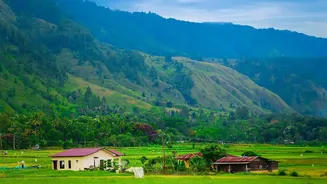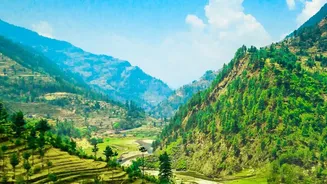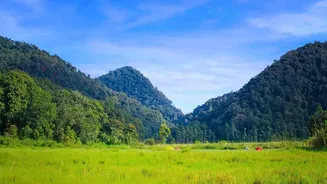







Welcome to the Land of the Apatani
Ziro Valley, a UNESCO World Heritage Site contender, is a breathtaking plateau in Arunachal Pradesh that feels like a land lost in time. It is renowned for its stunning landscapes of rice-fish farms, where two crops are cultivated on the same land, and the vibrant
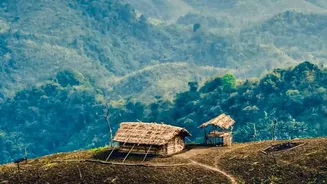
culture of the Apatani people. The Apatani tribe is known for its deep connection to nature, intricate farming systems, and warm hospitality. A visit to Ziro is more than just a scenic getaway; it is an immersion into a unique and sustainable way of life that has been preserved for generations. The valley's villages, like Hong, Hija, and Hari, are clusters of traditional bamboo and timber houses where life moves at a gentler pace.
Your Key to Entry: The Inner Line Permit (ILP)
Before you can step into this enchanting valley, there's one crucial step: obtaining an Inner Line Permit (ILP). This mandatory travel document is required for all Indian citizens who are not residents of Arunachal Pradesh. The system dates back to the Bengal Eastern Frontier Regulation of 1873, designed to protect the distinct indigenous cultures and lands of the region. It is not a mere suggestion; every visitor is checked at the state's entry points, and you will be turned back without a valid permit. Foreign nationals require a different document called a Protected Area Permit (PAP), which involves a separate process through a registered tour operator.
How to Apply for Your e-ILP Online
Thankfully, getting an ILP is now a straightforward digital process. The government's official portal (eilp.arunachal.gov.in) is the recommended platform for tourists. First, you'll need digital copies of a recent passport-sized photograph and a valid photo ID like an Aadhaar Card, Driving License, or Passport. The online form will ask for your personal details, your proposed travel dates, and the districts you plan to visit—be sure to include Lower Subansiri for Ziro. You must also select your entry gate, which for Ziro is typically Kimin. The fee is currently around ₹300 for up to three days or ₹500 for up to 14 days. Once you pay online and your application is approved—often on the same day during working hours— you can download the PDF of your e-ILP.
The Homestay Experience: More Than a Room
With your permit secured, the real magic of Ziro awaits in its homestays. Opting for a homestay over a hotel is choosing immersion over observation. You are welcomed not as a tourist, but as a guest into an Apatani family's home. These stays offer an authentic glimpse into daily life, from meals cooked over a central hearth to stories shared around the fire. You will eat what the family eats—delicious, organic meals made from ingredients often sourced from their own farm. This is the essence of sustainable tourism; your stay directly supports the local community and encourages the preservation of their culture, all while leaving a minimal environmental footprint.
Living and Learning in a Sustainable Way
A homestay in Ziro is a lesson in sustainability. You will see firsthand how the Apatani people have perfected their agricultural techniques over centuries, creating a harmonious balance with their environment. The architecture of the homes, built with locally sourced bamboo and wood, is a testament to their resourcefulness. Many homestays are actively eco-friendly, using practices like rainwater harvesting and organic farming. By participating, even as an observer, you gain a profound appreciation for a lifestyle that is deeply connected to the land. Your host can be your best guide, pointing you toward sacred groves, sharing local folklore, and arranging walks through the misty paddy fields that define the valley's beauty.