



The Soul of the Loom
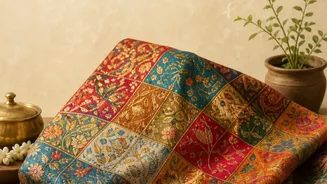
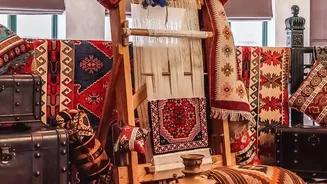
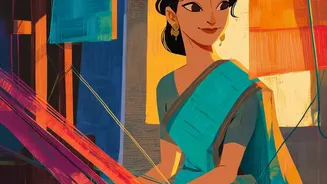
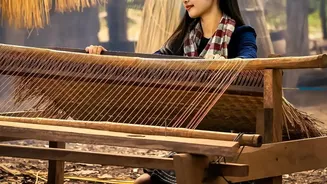
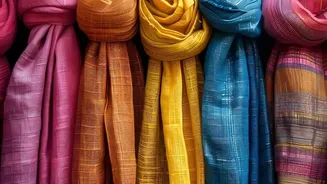
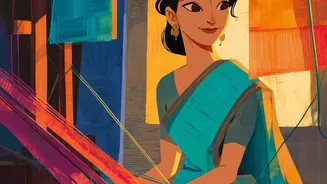
At its heart, a handloom saree is a piece of art, created thread by thread on a manually operated loom. Unlike mass-produced textiles, each saree carries the unique imprint of its maker, with subtle variations in texture and weave that tell a story of human
creativity. This process, which uses minimal electricity and relies on the skill of artisans, connects the wearer to a rich heritage of craftsmanship passed down through generations. From the sheer, airy quality of Chanderi to the bold geometrics of Ikat, every weave has a regional identity and a history that adds to its charm.
A New Definition of Comfort
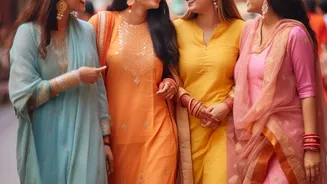
Once primarily associated with occasion wear, handloom sarees are now being embraced for their exceptional comfort in everyday life. Fabrics like handwoven cotton and linen are breathable, lightweight, and gentle on the skin, making them perfectly suited to the Indian climate. This shift is redefining luxury, where the feel of the fabric is as important as its appearance. Women are discovering that elegance doesn't have to come at the expense of comfort, choosing handloom drapes for everything from office wear to casual brunches.
Designers as Modern Storytellers
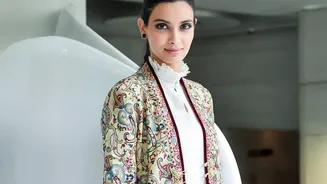
India's leading designers are playing a pivotal role in the handloom revival, acting as a bridge between traditional weavers and contemporary consumers. Figures like Ritu Kumar and labels like Raw Mango have been instrumental in reinterpreting traditional textiles for a modern audience. They are experimenting with new colour palettes, unconventional motifs, and modern silhouettes. Banarasi silk is no longer just for brides, now appearing as chic blazers and separates, while fabrics like Jamdani are fashioned into dresses and fusion wear. These designers are proving that heritage weaves can be both timeless and fashion-forward.
The Conscious Drape
The resurgence of handloom is deeply connected to a global movement towards sustainable and ethical fashion. In an era of fast fashion, choosing handloom is a conscious decision. The production process has a low carbon footprint, often uses natural fibres and eco-friendly dyes, and generates minimal waste. Moreover, purchasing handloom sarees directly supports the livelihoods of millions of rural artisans, helping to preserve their invaluable skills and promote fair wages. This makes wearing a handloom saree a statement of personal style and a vote for a more responsible fashion industry.
Style for a New Generation
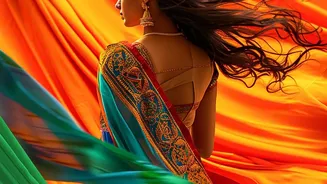
Younger generations are enthusiastically claiming the handloom saree and making it their own. They are breaking old rules and styling these traditional garments in fresh, individualistic ways. It's not uncommon to see a handloom saree paired with a crop top, a crisp white shirt, or even sneakers. Belts are used to cinch the waist for a structured look, while innovative draping styles create new silhouettes. This modern approach treats the saree not as a rigid costume but as a versatile garment, capable of expressing a unique personal style that is both rooted in culture and confidently global.