





Start with a Colour Palette
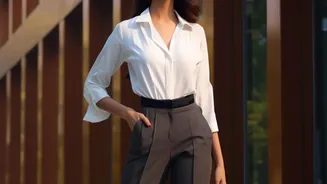
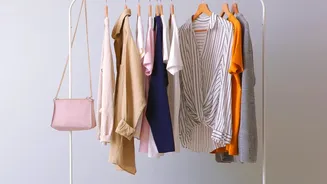
The foundation of a successful travel wardrobe is a cohesive colour palette. Start by choosing two neutral base colours that you can build around. Shades like black, navy, grey, olive, or beige are excellent choices because they are versatile and easy
to pair. The majority of your larger items—trousers, jackets, and shoes—should fall into these neutral tones. Then, select one or two accent colours that complement your neutrals. These can be used for tops, blouses, or accessories to add personality and variety to your outfits without taking up significant space. This simple system ensures that almost every piece you pack can be worn with every other piece.
Prioritise Versatile Pieces
Every item in your suitcase must earn its place by being a multitasking hero. Opt for pieces that can be dressed up or down. A simple dress can be worn with sneakers for a day of sightseeing and then transformed with a scarf and smarter shoes for dinner. A well-fitting pair of dark jeans or versatile trousers can work for a casual walk or a nicer restaurant. The goal is to pack individual items that combine to create many different outfits, rather than packing pre-planned, single-use outfits. Before an item makes the cut, ask yourself if it can be worn in at least three different ways.
Choose Your Fabrics Wisely
The right fabrics can make a world of difference in comfort, packability, and maintenance. Look for materials that resist wrinkles, breathe well, and are appropriate for your destination's climate. For warm weather, linen blends, cotton, and viscose are excellent choices for staying cool. In colder climates, merino wool and fleece offer warmth without bulk, making them perfect for layering. Synthetics like nylon and polyester are also great for travel as they are lightweight, moisture-wicking, and dry quickly. Investing in quality, travel-friendly fabrics means your clothes will look fresh straight out of the suitcase, saving you time and stress.
Master the Art of Layering
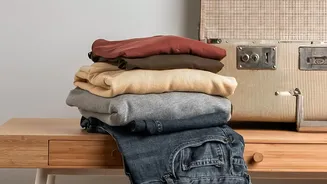
Layering is the key to adapting to changing weather and different occasions. Packing thin layers allows you to create numerous combinations that can be adjusted throughout the day. A lightweight cardigan, a classic denim jacket, or a neutral blazer can be thrown over nearly any top. This approach is far more space-efficient than packing bulky sweaters or multiple heavy coats. Ensure your layering pieces align with your chosen colour palette so they can be mixed and matched effortlessly with all your tops and bottoms.
Limit Your Footwear
Shoes are often the biggest culprits when it comes to overpacking, as they are bulky and take up valuable luggage space. A strict rule of three pairs is a great guideline to follow. This should include one comfortable pair for walking, one slightly more formal pair (like loafers or ballet flats), and a third pair specific to your trip's activities, such as sandals for a beach or boots for hiking. Always wear the bulkiest pair on the plane to save maximum space in your bag. To be even more efficient, pack small items like socks or chargers inside your shoes.
Accessorise for Variety
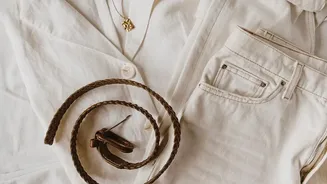
Accessories are a lightweight and compact way to add variety and personality to your travel outfits. A colourful scarf, a statement necklace, or a versatile belt can completely change the look of a simple top and trousers. These small additions allow you to repeat your core clothing items without feeling like you are wearing the same thing every day. Instead of packing another whole outfit 'just in case', consider if an accessory could achieve a similar level of freshness. This strategy helps keep your luggage light while ensuring your style remains versatile.