




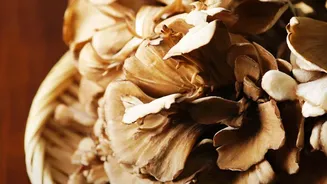
From Morning Brew to Mushroom Bloom
The concept is a prime example of a circular economy, where waste from one process becomes a valuable input for another. In this case, the nitrogen-rich, pasteurised coffee grounds that are typically sent to landfills become the perfect growing medium,
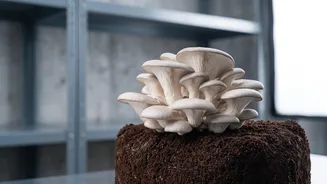
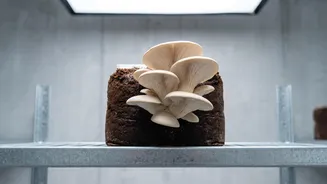
or substrate, for fungi. The process is surprisingly straightforward. Entrepreneurs and urban farming outfits collect fresh coffee grounds—often within 24 hours of brewing—from local cafes and offices. This waste is then mixed with mushroom spawn, most commonly from oyster mushrooms, which thrive on this particular substrate. The mixture is packed into bags or buckets and kept in a dark, controlled environment for several weeks while the mycelium, the root-like network of the fungus, colonises the coffee grounds. Once fully colonised, the bags are moved to a more humid space with indirect light to encourage the 'fruiting' stage, which is when the edible mushrooms sprout.
Why Coffee Grounds Are a Perfect Match
Coffee grounds are not just a convenient form of waste; they are an ideal home for mushrooms for several scientific reasons. First, the brewing process effectively pasteurises the grounds, heating them enough to kill off most competing moulds and bacteria that could otherwise hinder mushroom growth. This saves urban farmers the time and energy they would normally spend sterilising a substrate like straw or sawdust. Secondly, coffee grounds are packed with nutrients. They are rich in nitrogen, which is crucial for fungal growth and the development of the mushroom's fruiting body. The fine particle size of the grounds also provides a large surface area for the mycelium to grow through quickly. However, this can sometimes lead to compaction, so some cultivators mix the grounds with other materials like straw to improve air exchange.
A Viable Protein Source?
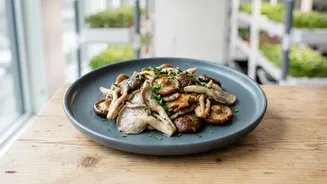
The headline touts this as a 'sustainable protein innovation', but how much protein do these mushrooms really offer? While they aren't a direct replacement for meat or lentils, mushrooms are a valuable source of protein and other nutrients. Fresh oyster mushrooms, the variety most commonly grown on coffee grounds, provide around 3.3 grams of protein per 100 grams. While this may seem modest, mushrooms offer high-quality protein containing all nine essential amino acids, which is rare for plant-based (or rather, fungi-based) foods. They are also low in calories and fat while providing fibre, B vitamins, and minerals. In a balanced diet, they serve as an excellent, nutrient-dense ingredient that enhances meals, rather than acting as the primary protein anchor. Their true power lies in providing quality protein from a source that is local, fresh, and grown on recycled materials.
The Urban Circular Economy in Action
This model of mushroom cultivation is about more than just food; it's a vision for more resilient and sustainable cities. By diverting a significant waste stream like coffee grounds from landfills, these urban farms reduce methane emissions, a potent greenhouse gas produced when organic matter decomposes in dumps. They also champion local food production, cutting down on 'food miles' and the carbon footprint associated with transporting produce over long distances. Several innovative companies and non-profits are already putting this into practice. Ventures like GroCycle in the UK and PermaFungi in Brussels have successfully scaled this model, collecting waste by bicycle and selling mushroom kits to inspire home growers. In Mumbai, an urban mushroom lab has explored cultivating oyster mushrooms on coffee grounds to provide local, healthy food while boosting the local economy. These initiatives demonstrate a tangible way for urban communities to participate in a circular economy, creating value from what was once considered trash.
Challenges and the Road Ahead
While the potential is enormous, scaling up this model is not without its challenges. Consistency in the supply and quality of coffee grounds is crucial, and the risk of contamination from other moulds remains a concern, especially if the grounds are not fresh. Some research suggests that using 100% coffee grounds can sometimes yield less than a mixture of grounds and traditional substrates like sawdust, indicating a need for optimisation. Furthermore, navigating local regulations for food production and waste collection can be complex for budding entrepreneurs. Despite these hurdles, the momentum is growing. The model offers a low-investment, high-impact business opportunity that aligns perfectly with consumer demand for sustainable, locally sourced food. As more cafes, offices, and citizens become aware of this elegant solution, the network of coffee-powered mushroom farms is poised to expand.