



From Ruined Holiday to Main Attraction
What exactly is 'rain tourism'? It’s the intentional choice to visit a destination during its monsoon or rainy season. For a growing number of travellers, especially younger generations, rain is no longer a vacation-spoiler; it’s the main event. They
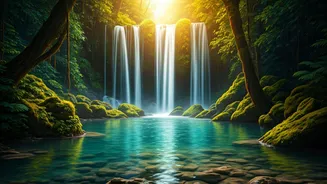
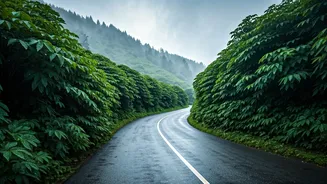
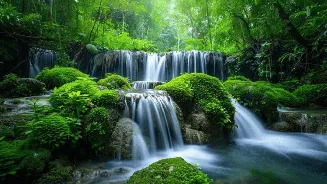
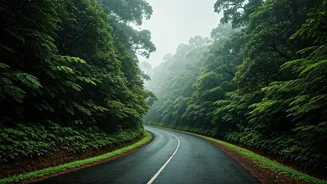
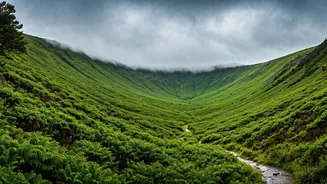
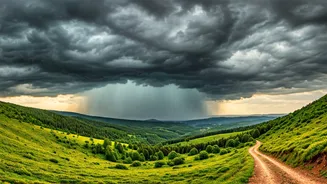
are seeking the lush greenery, misty landscapes, dramatic skies, and swollen waterfalls that only a good downpour can provide. This isn't about getting caught in a drizzle in Paris. It’s about fully immersing oneself in the atmospheric beauty of places like Kerala during the monsoon, the Scottish Highlands under a blanket of fog, or the glistening, rain-slicked streets of a city like Mumbai. The goal is to experience a place when it feels most alive, moody, and refreshingly different from its peak-season, sun-bleached persona.
The Influencer Effect on 'Moody' Aesthetics
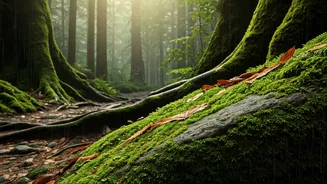
Social media is the engine driving this trend. While Instagram was once dominated by oversaturated photos of turquoise water and perfect tans, the aesthetic has evolved. Influencers have discovered the visual power of 'moody' content. A photo of a person with an umbrella looking out over a misty valley, a video of rain lashing against a cosy café window, or a reel showcasing the vibrant green of a post-shower forest generates a different kind of engagement. It feels more authentic, cinematic, and emotionally resonant. Hashtags like #Pluviophile, #MonsoonTravel, and #RainyDayVibes are filled with images that romanticise the rain. Influencers are not just showing a place; they are selling a feeling—a cosy, contemplative, 'main character' energy that a perfect sunny day can't always capture. This visual storytelling has transformed destinations once considered 'off-season' into desirable, picture-perfect getaways.
Why We're Chasing the Clouds
The appeal of rain tourism goes deeper than just a pretty picture. It’s a response to the pressures of over-tourism. Peak seasons often mean unbearable crowds, inflated prices, and a frantic energy. The rainy season, by contrast, offers a sense of peace and solitude. Famous viewpoints are less crowded, hotel rates are often significantly lower, and the overall pace is slower. For many, this provides a more genuine connection to the place and its local culture. There’s also a sensory element. The smell of petrichor (the earthy scent of rain on dry soil), the sound of a steady downpour, and the cool, crisp air offer a therapeutic escape from the heat and hustle of city life. It’s a form of wellness travel, where the weather itself becomes a tool for relaxation and reflection.
India's Monsoon Magic Goes Global
In India, monsoon travel is a long-cherished tradition. For years, people from cities have flocked to destinations like Lonavala, Coorg, Goa, and Kerala to witness the season’s transformative power. Kerala, in particular, has marketed its monsoon season as an ideal time for Ayurvedic treatments, when the moist, dust-free air is believed to enhance the therapies. What's new is how influencers are packaging this local knowledge for a global audience. They showcase Goa not for its packed beaches but for its empty, rain-washed shores and verdant interiors. They capture Meghalaya, 'the abode of clouds', in all its mystical, rainy glory, making its living root bridges seem even more magical. This online exposure is reframing India’s monsoon from a logistical challenge to a premier travel experience, attracting both domestic and international tourists who want to see this dramatic side of the country.
A More Sustainable Way to Travel?
Beyond the aesthetics and cost savings, rain tourism has a significant sustainability benefit. It helps distribute the economic and environmental load of tourism more evenly throughout the year. When travellers visit during the 'off-season', they provide a steady stream of income for local businesses that might otherwise struggle. It eases the strain on infrastructure, natural resources, and local communities that are often overwhelmed during peak months. By encouraging year-round travel, destinations can build a more resilient and sustainable tourism model. Embracing the rain isn’t just a trend; it’s a smarter and more conscious way to explore the world, reducing our collective footprint one rainy day at a time.