
A Return to the Earth
From Mumbai apartments to Bengaluru bungalows, a distinct trend is colouring the landscape of Indian interior design. Homeowners are increasingly turning away from cool, clinical palettes and embracing the warmth and authenticity of earthy tones. Shades
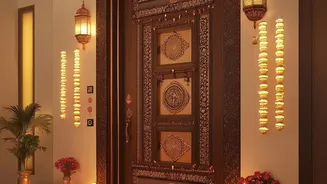
like terracotta, ochre, olive green, and sandy beige are no longer considered just for rustic or traditional spaces. Instead, they are being used to create sophisticated, modern homes that feel both timeless and deeply personal. This isn't just about painting a wall; it's a broader movement towards interiors that feel calming, connected to nature, and authentically Indian. Designers note that clients are asking for spaces that feel 'grounded' and 'real', a sentiment that this nature-inspired palette answers perfectly.
Why We Crave Calm and Connection
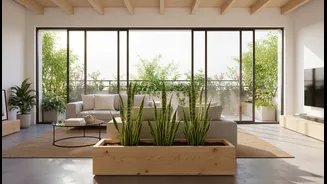
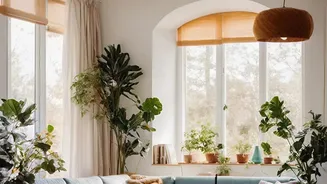
The popularity of earthy tones is tied to a larger cultural desire for wellness and a connection to the natural world, a concept known as biophilic design. After years of living in concrete-heavy urban environments, there is a collective urge to bring the outdoors in. These colours, drawn from soil, clay, and foliage, have a psychologically soothing effect, helping to reduce stress and create a sense of sanctuary. This trend also represents a 'homecoming' for Indian design, which has historically used natural materials and earth-based colours for centuries, from the mud walls of rural homes to the sun-baked tiles of ancient havelis. The current revival is less about nostalgia and more about a modern reinterpretation of what it means to live in harmony with our environment.
The Core Colour Palette
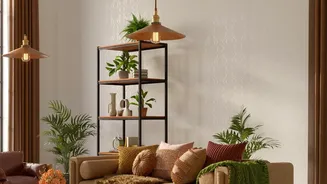
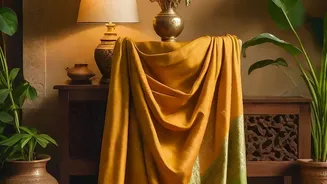
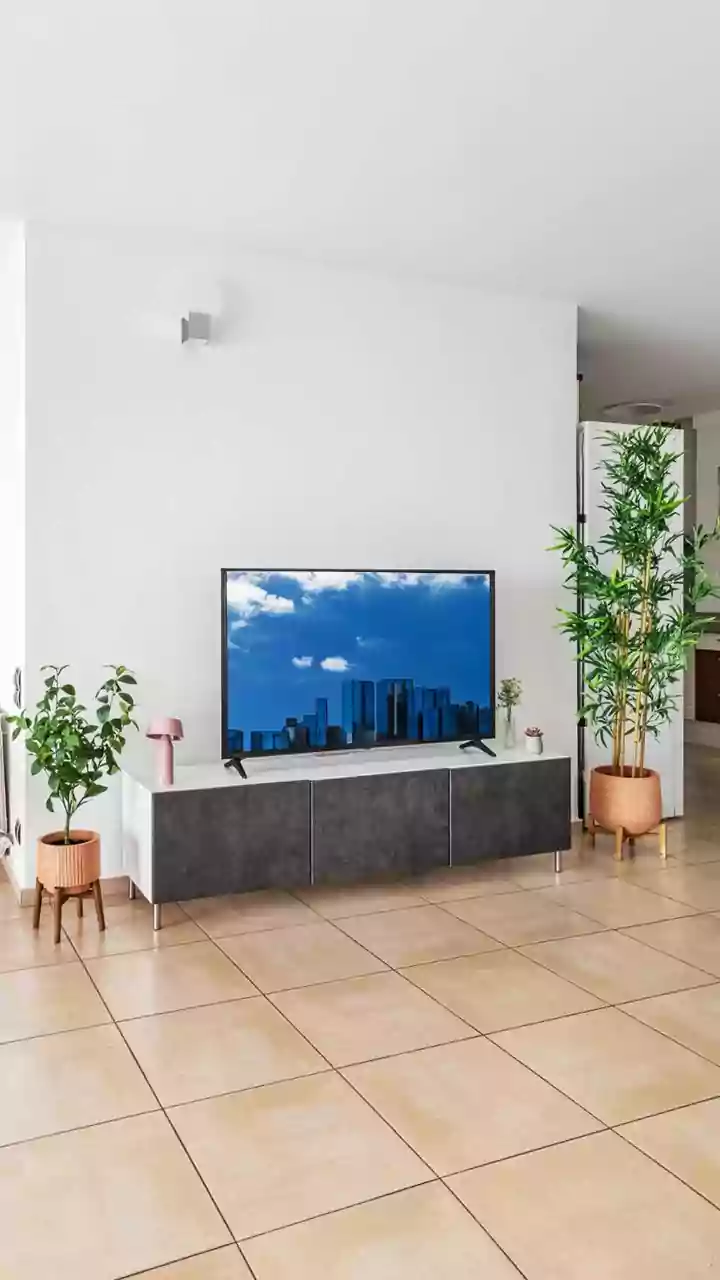
Building an earthy palette is about layering shades to create depth and warmth. The unofficial star is terracotta, a warm, reddish-brown that adds instant character. It's often used for a single accent wall, in tile flooring, or through decor like planters and vases. Complementing it are shades of olive and sage green, which provide a cool, natural contrast. The foundation of the palette is often built on lighter neutrals like sandy beige, warm creams, and taupe, which keep spaces feeling bright and airy. Splashes of deep brown or muted rust can be used for definition, while soft yellows bring in a touch of sunny optimism.
More Than a Colour: Texture and Materials
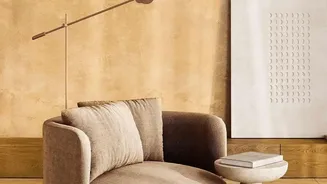
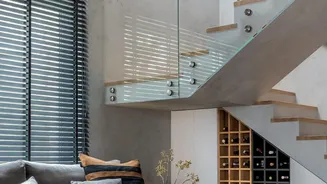
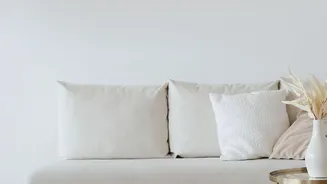
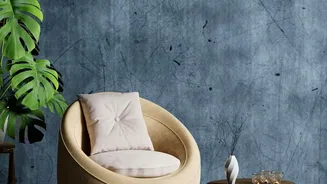
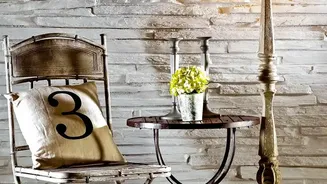
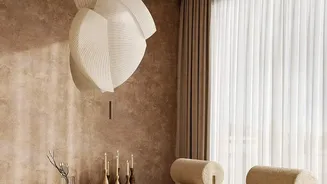
An earthy interior comes alive through texture. The trend goes beyond paint to embrace a variety of natural materials that are tactile and visually interesting. Raw and reclaimed wood, with its visible grain, brings warmth to furniture and flooring. Natural fibres are essential, with jute, cane, and rattan appearing in everything from rugs and light fixtures to chair seats. For fabrics, unbleached cotton and linen in their natural hues add softness and a breathable quality, perfect for the Indian climate. The goal is to move away from flat, synthetic surfaces and towards materials that have inherent imperfections and character, such as handmade clay pottery or unpolished stone.
Bringing the Look Home
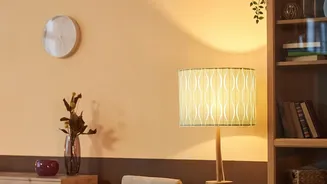
Adopting this trend doesn't require a complete overhaul. You can start small. Introduce terracotta pots with indoor plants to bring in both colour and life. Swap out synthetic cushion covers for ones made of linen or handwoven cotton in shades of olive or beige. A single, large terracotta vase or a jute rug can anchor a living room. If you're ready for a bigger change, consider painting a single feature wall behind your bed or sofa in a deep ochre or terracotta. The key is to balance the richer colours with plenty of light neutrals and to pair them with warm-toned lighting (around 2700K-3000K) to enhance their natural glow.