





More Than a Relic of the Past
Not long ago, the mention of handloom conjured images of heavy silk sarees or formal wear, items of beauty and cultural significance saved for rare occasions. Today, that perception is changing dramatically. A new generation of consumers and designers
is championing handloom not as something to be preserved in museums, but as a living, breathing part of contemporary fashion. This revival is driven by a desire for authenticity and a connection to heritage in a world of mass production. The movement is transforming fabrics like Khadi, once a symbol of the freedom struggle, into a go-to choice for office wear, casual dresses, and chic separates. This shift is less a fleeting trend and more a meaningful return to roots, adapted for a modern lifestyle.
The Comfort and Conscience Factor
Two key drivers are behind handloom's resurgence in daily wear: unparalleled comfort and growing ethical awareness. Handloom cottons like Mulmul and Khadi are exceptionally breathable, making them ideal for India's climate by keeping the wearer cool in summer. Unlike machine-made fabrics, handwoven textiles have a unique texture that softens with each wash, becoming more personal over time. Beyond comfort, choosing handloom is increasingly a conscious decision. The production process has a low carbon footprint, often uses no electricity, and supports the livelihoods of millions of artisans, a significant number of whom are women in rural areas. In an era of concern over fast fashion's environmental toll, handloom offers a sustainable alternative that is both beautiful and biodegradable.
Designers Weaving a New Narrative
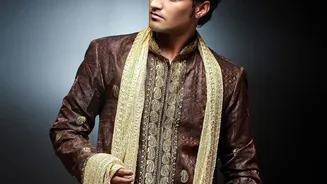
Contemporary Indian designers are at the forefront of this revival, proving that handloom can be both traditional and trendy. They are moving beyond the saree and experimenting with modern silhouettes like tailored jackets, co-ord sets, fluid dresses, and even handwoven denim. By collaborating directly with weaving clusters across the country—from Chanderi in Madhya Pradesh to the silk weavers of Varanasi and the ikat artisans of Andhra Pradesh—designers are revitalizing ancient techniques for a global audience. These partnerships are crucial, ensuring that traditional skills are preserved while also innovating with new fibres like banana and lotus silk, pushing the boundaries of sustainable textiles. The result is clothing that feels both culturally rooted and perfectly current.
How to Welcome Handloom into Your Wardrobe
Embracing everyday handloom doesn't require a complete wardrobe overhaul. The key is to start with versatile, easy-to-style pieces. A simple handloom cotton kurta or a well-cut Khadi shirt can be a perfect starting point, offering both comfort and understated elegance for work or casual outings. Consider investing in a handwoven dupatta; it can instantly elevate a simple outfit. As you grow more comfortable, explore handloom dresses, trousers, or jackets. Brands and e-commerce platforms are now making a wide variety of handloom garments more accessible than ever, connecting artisans directly with urban consumers and ensuring fair prices. By choosing to wear handloom, you are not just making a fashion statement but also participating in a movement that supports local craft communities and promotes a more mindful approach to consumption.