







The Rise of the Micro-Vacation
Forget the two-week epic journey; the new status symbol is the 'micro-vacation'. These are short, purposeful trips, typically lasting two to four days, designed to provide a quick recharge without overhauling one's entire schedule. This trend, sometimes
called 'holiday snacking', sees travellers opting for multiple mini-breaks throughout the year instead of a single, long holiday. Reports show a significant rise in bookings for weekend getaways and trips planned around long weekends. The average domestic trip duration has shrunk, with some reports noting it as low as 1.7 nights, highlighting the demand for quick escapes. This modular approach allows for more frequent travel, fitting neatly into the rhythm of modern life rather than disrupting it.
The Hybrid Work-Life Revolution
The single biggest driver of this change is the evolution of the workplace. The widespread adoption of remote and hybrid work models has untethered millions of Indian professionals from their office desks. This newfound flexibility allows employees to blend work and leisure in ways that were previously impossible. The 'workation'—working from a scenic location—has moved from a niche concept to a mainstream practice. Data shows that a significant percentage of Indian corporate travellers now extend their business trips for leisure, a trend known as 'bleisure'. With the ability to work from anywhere, a trip is no longer a complete departure from professional life but an extension of it, making shorter, more frequent travel a practical reality.
Experiences Over Itineraries
Today's Indian traveller is increasingly experience-driven rather than destination-driven. The motivation for a trip is often an event, activity, or feeling, not just a place on a map. There is a growing trend of planning trips around music festivals, sporting events, wellness retreats, and unique culinary experiences. This focus on 'what' over 'where' naturally lends itself to shorter, more focused trips. A weekend trip for a concert or a three-day trek is more manageable and affordable than a ten-day multi-city tour. This shift means travellers are prioritising the quality and depth of their experience over the duration of their stay.
Prioritising Mental Wellness
In today's fast-paced world, the need for regular mental breaks has become a priority. The long wait for an annual holiday is no longer seen as a sustainable way to manage stress and avoid burnout. Short, frequent breaks are viewed as essential for maintaining work-life balance and overall well-being. These micro-vacations act as a reset button, offering a chance to disconnect and recharge without the logistical and financial burden of a long holiday. This proactive approach to mental health is a key reason why many, especially younger generations, are embracing the flexibility of shorter trips.
Technology and Accessibility
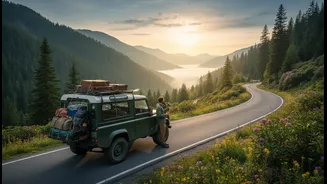
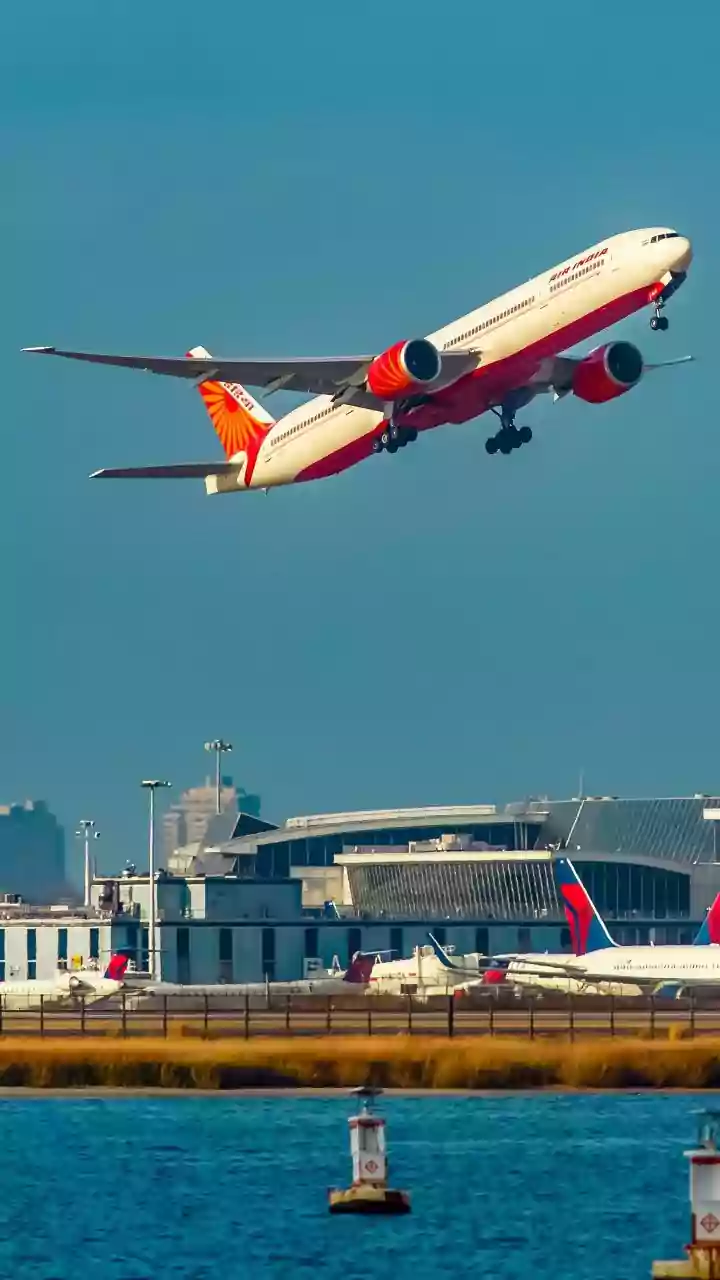
The travel industry has adapted to facilitate this new style of travel. Digital travel platforms, last-minute booking apps, and flexible cancellation policies from airlines and hotels have made spontaneous trips easier than ever. Recent reports indicate a huge number of Indian travellers now use AI tools to help plan their vacations. Furthermore, improved road connectivity to destinations near major cities has boosted the appeal of drivable getaways. The rising affordability of flights to nearby international destinations in Southeast Asia and the Middle East, sometimes costing less than domestic routes, also encourages shorter, more frequent cross-border trips. This combination of technological convenience and improved infrastructure has removed many of the traditional barriers to frequent travel.