






The Humidity Effect on Skin
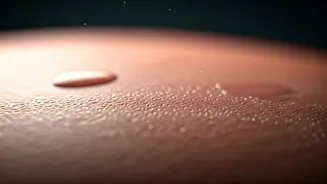
Rainy weather means the air is saturated with moisture. While this sounds hydrating, it can often have the opposite effect on your complexion. High humidity can signal your sebaceous glands to produce even more oil, leaving your skin feeling greasy and sticky.
This excess oil, combined with sweat and dead skin cells, can clog pores and lead to breakouts and acne. For those with already oily or acne-prone skin, the monsoon season can feel like a constant battle against shine and blemishes. Conversely, some people find their skin becomes strangely dry or irritated as the constant dampness can disrupt the skin's natural barrier.
Embrace Lightweight Textures
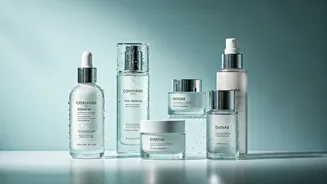
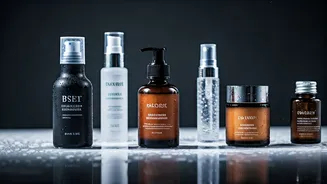
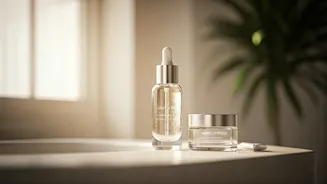
When the air is heavy with moisture, the last thing your skin needs is a thick, heavy cream. The first rule of rainy-day skincare is to switch to lightweight textures. Think of your products in terms of weight: gels, lotions, and water-based serums are your best friends. These formulations absorb quickly, providing necessary hydration without sitting on top of the skin or clogging pores. Swap out rich, creamy cleansers for gentle, foaming, or gel-based ones. Instead of a heavy moisturizer, opt for a gel-cream or a hydrating serum containing ingredients like hyaluronic acid, which draws moisture to the skin without adding oiliness.
The Art of Smart Layering
Even with lightweight products, how you apply them matters. The concept of layering multiple, thin layers of hydration is particularly effective in humid weather. An alcohol-free toner can help balance the skin's pH and remove any last traces of dirt after cleansing. Following that with a hydrating essence or a water-based serum can provide deep hydration without the weight. You can then lock this in with a light, non-comedogenic moisturizer. Ingredients like niacinamide are excellent for humid climates, as they help regulate oil production and improve skin texture, while antioxidants like Vitamin C protect against environmental pollutants that can be prevalent on rainy days.
Strategic Timing for Treatments
Gloomy, overcast days offer a unique opportunity in your skincare schedule. With lower levels of direct, intense sunlight, it’s an ideal time to incorporate active ingredients and treatments that can make your skin more sensitive to the sun. This is where the 'timing' aspect comes into play. Think of rainy days as the perfect time for a 'skin reset'. This is your chance to focus on targeted treatments that you might use more cautiously during sunnier periods. Remember, though, that lower UV intensity does not mean no UV exposure.
A Good Day for Gentle Exfoliation
With the increased buildup of oil and dead skin cells, regular exfoliation is crucial during the monsoon season. Cloudy weather provides the perfect window to use chemical exfoliants like alpha-hydroxy acids (AHAs) and beta-hydroxy acids (BHAs). These ingredients work to dissolve the bonds holding dead skin cells to the surface, revealing brighter skin and preventing clogged pores. A gentle BHA like salicylic acid is particularly effective for oily and acne-prone skin. Using these treatments 1-2 times a week on a rainy day can keep your complexion smooth and clear, but it's vital to follow up with sun protection the next day, as they increase sun sensitivity.
Sunscreen Is Non-Negotiable
This is the most important rule of all: never skip sunscreen, even when it's pouring rain. It's a common myth that clouds block the sun's harmful rays. In reality, up to 80% of UV radiation can penetrate through cloud cover. UVA rays, which are responsible for premature aging, fine lines, and hyperpigmentation, are present with consistent intensity year-round, rain or shine, and can even penetrate glass. To avoid a heavy feeling, opt for a lightweight, water-based, or non-comedogenic sunscreen with at least SPF 30. This final step ensures your skin is protected, allowing you to enjoy the benefits of your routine without risking sun damage.