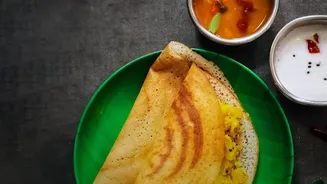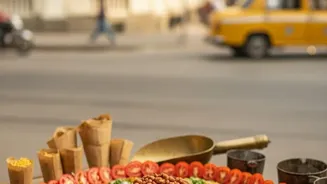



The sizzle of a hot pan, the vibrant colours of fresh chutneys, and the unmistakable aroma of chaat masala. It’s a sensory experience every Indian knows. But increasingly, this scene isn’t playing out on a busy street corner, but in home kitchens.
A Craving for Control and Cleanliness
For
decades, the irresistible pull of street food has been shadowed by one persistent concern: hygiene. While the older generations might have made a calculated peace with the 'street food stomach', Gen Z is different. This health-conscious cohort, armed with more information about nutrition than any before it, is less willing to take that gamble. Cooking at home provides the ultimate quality control. It's about knowing exactly what goes into their food, from the quality of the oil to the freshness of the vegetables, ensuring their favourite indulgences align with a healthier lifestyle. This desire for cleaner eating has made the home kitchen a sanctuary where the authentic flavours of street food can be enjoyed without compromise.
The Social Media Showcase
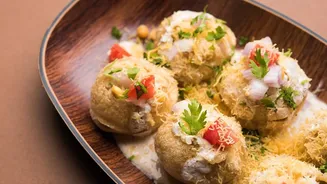
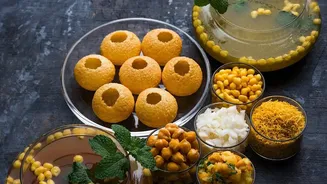
If you didn't post it, did you even cook it? For many young Indians, cooking is as much a creative act as it is a culinary one. Social media platforms like Instagram have transformed home cooking into a visual feast. A perfectly arranged platter of homemade 'dahi puri' or a colourful board of 'pani puri' with all the trimmings is not just a meal; it's content. Food influencers and viral recipe videos provide both the inspiration and the instructions, turning complex street snacks into achievable projects. This digital validation adds a layer of social currency, making a 'chaat night' at home a shareable, curated experience that rivals a night out.
Nostalgia with a Modern Twist
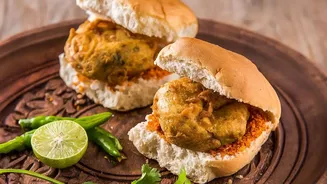
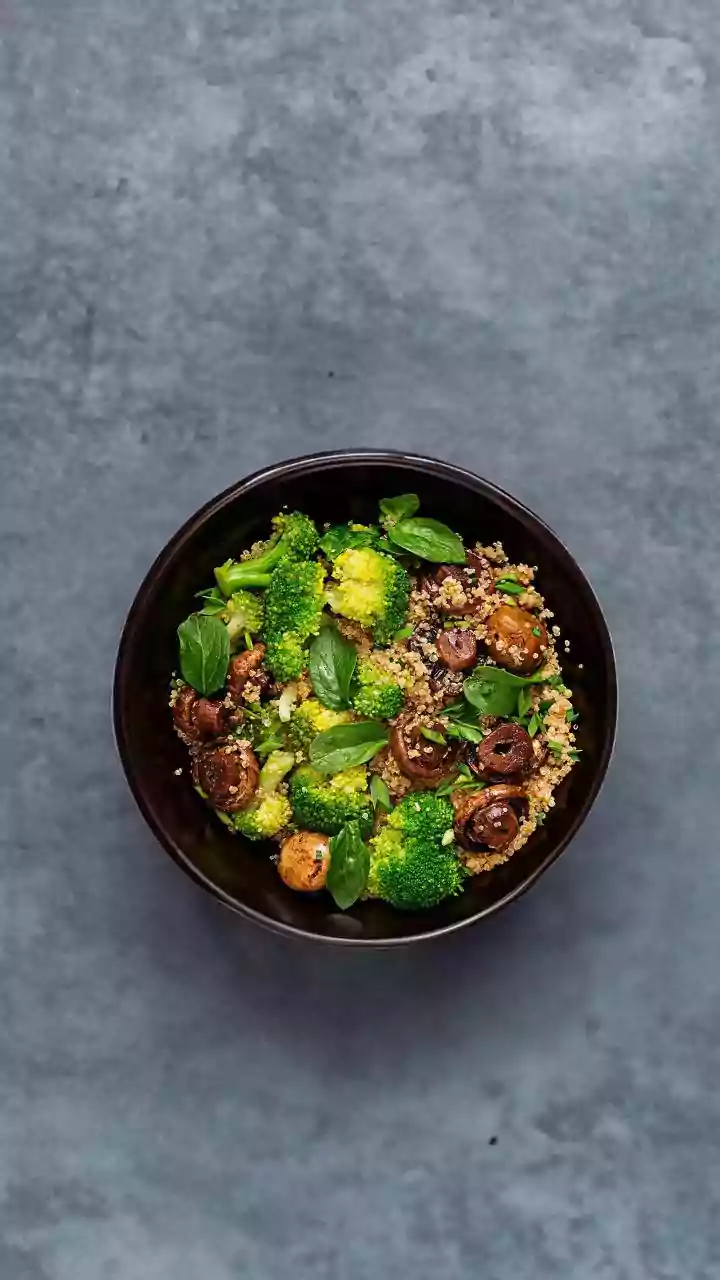
This trend isn't just about replicating street food; it's about reinventing it. While the core of the craving is often rooted in nostalgia—the memory of eating 'sev puri' after school or sharing a 'vada pav' with friends—Gen Z is putting their own spin on these classics. Think quinoa 'chaat', air-fried 'pakoras', or sourdough 'puris'. They are rediscovering traditional ingredients and family recipes, but adapting them to fit modern palates and nutritional knowledge. This fusion of old and new allows them to connect with their cultural roots while expressing their individuality. It’s a way of saying, 'This is the food I grew up with, but this is how I make it my own'.
Convenience Meets Customisation
Making elaborate street snacks from scratch might seem daunting, but the market has responded. The rise of DIY recipe kits and prepped ingredients has made it easier than ever to bring these flavours home. These kits eliminate the hassle of sourcing numerous components, providing everything needed for dishes like 'bhel puri' or even 'paneer tikka' in one box. Beyond convenience, cooking at home offers unparalleled customisation. You can dial up the spice, reduce the salt, or substitute ingredients to cater to specific dietary preferences—a level of personalisation you can't get from a street vendor. This makes the experience more inclusive and enjoyable for everyone at the table.