



Plan Your Route with Caution
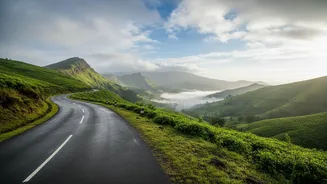
The most scenic monsoon drives can also be the most treacherous. Before you leave, your primary task is to research your route. Heavy rains can cause sudden waterlogging, landslides in hilly areas, and road closures with little warning. Check weather
apps and local traffic updates right before you start and even during your journey. Prioritise national highways over smaller, remote roads which are more susceptible to damage and less likely to be repaired quickly. It is wise to avoid night driving, especially in hilly or unfamiliar areas, as visibility drops significantly and hidden potholes become a greater risk. Always have a backup route in mind and inform your hotel or host about your estimated arrival time. Building extra time into your schedule is crucial; a journey that takes four hours in the dry season might take six or more during heavy rains.
Master the Monsoon Pack
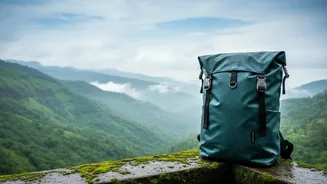
Your packing strategy needs to focus on two things: keeping things dry and encouraging quick drying. Forget heavy cottons and jeans; they absorb moisture and can take days to dry in high humidity. Instead, opt for lightweight, synthetic fabrics like polyester and nylon that dry quickly. Pack at least one extra set of clothes in a sealed, waterproof bag. A sturdy, compact umbrella and a lightweight raincoat are non-negotiable. For electronics like your phone, camera, and power bank, use waterproof pouches or resealable zip-lock bags for double protection. A few silica gel packs thrown into your main luggage and shoe bags can help absorb ambient moisture and prevent that musty monsoon smell.
The Right Footwear and Gear
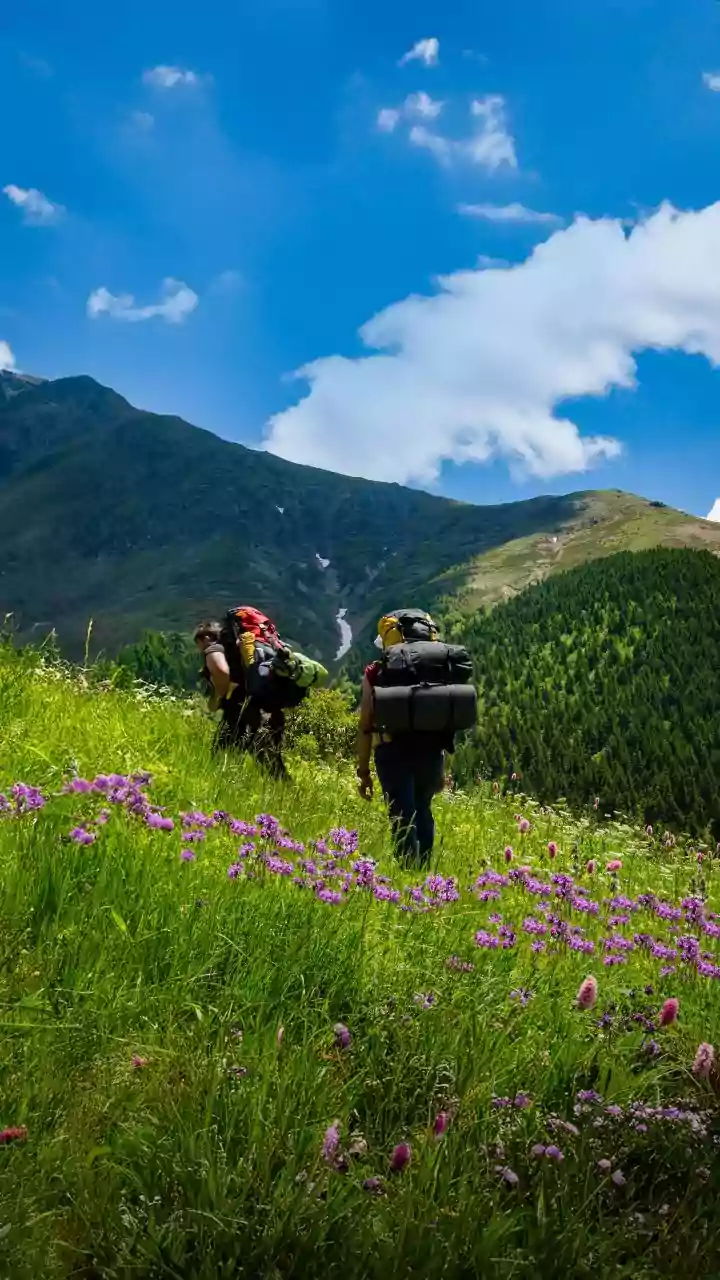
Your choice of footwear can make or break a monsoon trip. Leather shoes are a definite no, as they get ruined by water. Instead, choose waterproof sandals or floaters with a good grip for walking on slippery surfaces. If you plan on trekking, a pair of well-worn trekking shoes with deep treads is essential. Never wear brand new shoes on a trip. A quick-drying microfibre towel is far more practical than a thick cotton one, as it absorbs water well and dries in a fraction of the time. Lining your backpack with a large plastic bag before you start packing provides an extra layer of waterproofing against sudden downpours.
Prepare Your Vehicle for the Wet
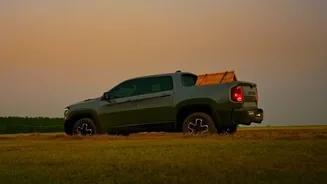
If you're embarking on a road trip, a pre-trip vehicle check is mandatory. Ensure your tyres have sufficient tread depth to grip wet roads and prevent hydroplaning. Check that your brakes, headlights, and windscreen wipers are in perfect working order. Driving through waterlogged streets can cause serious engine damage; if you encounter a flooded patch and are unsure of its depth, it's always safer to find an alternative route. If you must cross, drive slowly in a low gear, keeping the engine revs high to prevent water from entering the exhaust pipe. Always keep your fuel tank topped up, as traffic jams are common during rains.
Health and Safety on the Go
The monsoon season sees an increase in water-borne diseases and mosquito activity. Be cautious about what you eat and drink. Avoid street food as much as possible and stick to bottled or purified water. Carry a basic first-aid kit with antiseptic wipes, bandages, pain relievers, and any personal medications. It's also wise to include insect repellent and oral rehydration salts (ORS), as humidity can cause dehydration faster than you think. When exploring, be extremely careful on wet rocks or pathways, especially near waterfalls, as they can be deceptively slippery.