


Fabric Is Your Foundation
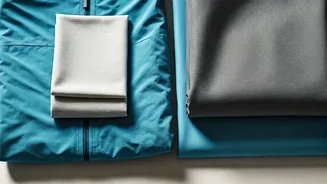
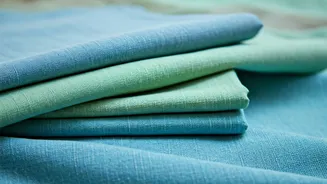
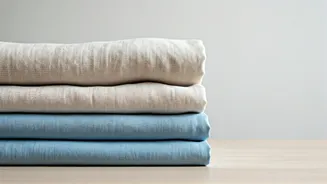
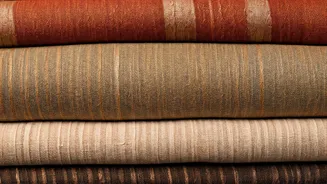
Before you even think about layering, the base material of your outfit is crucial. In humid weather, your fabric choice can make or break your comfort. The goal is breathability. Opt for natural fibres that allow air to circulate and moisture to evaporate
from your skin. Cotton, especially in its finer forms like mulmul and voile, is an undisputed champion. These fabrics are incredibly lightweight and feel like a second skin. For a more festive sheen without the heat of heavy silks, Chanderi is a fantastic option. It's a traditional blend of silk and cotton that offers a beautiful lustre while remaining breathable. Other great choices include rayon, viscose, georgette, and organza, which are known for their quick-drying properties and ability to float over the body rather than clinging uncomfortably. Avoid heavy silks, velvets, and pure linen, which can trap heat, show water spots, or wrinkle excessively in the damp air.
The Modern Cape or Shrug
One of the most elegant ways to add a festive layer without adding warmth is with a cape, shrug, or lightweight jacket. Forget the heavy, structured coats of winter. We’re talking about sheer, breezy layers that add drama and coverage. An organza or georgette cape can be thrown over a simple slip dress, a crop top and skirt, or even a sleek jumpsuit to instantly elevate the look. Look for styles with delicate embroidery or prints that add a celebratory touch without the weight. Similarly, a short, open-front jacket, sometimes called a 'koti,' in a breathable fabric like a cotton-blend jacquard can provide structure and a festive element to a simpler outfit underneath. These pieces are easy to remove if you get too warm, making them a versatile addition to your festive wardrobe.
Reimagining the Dupatta
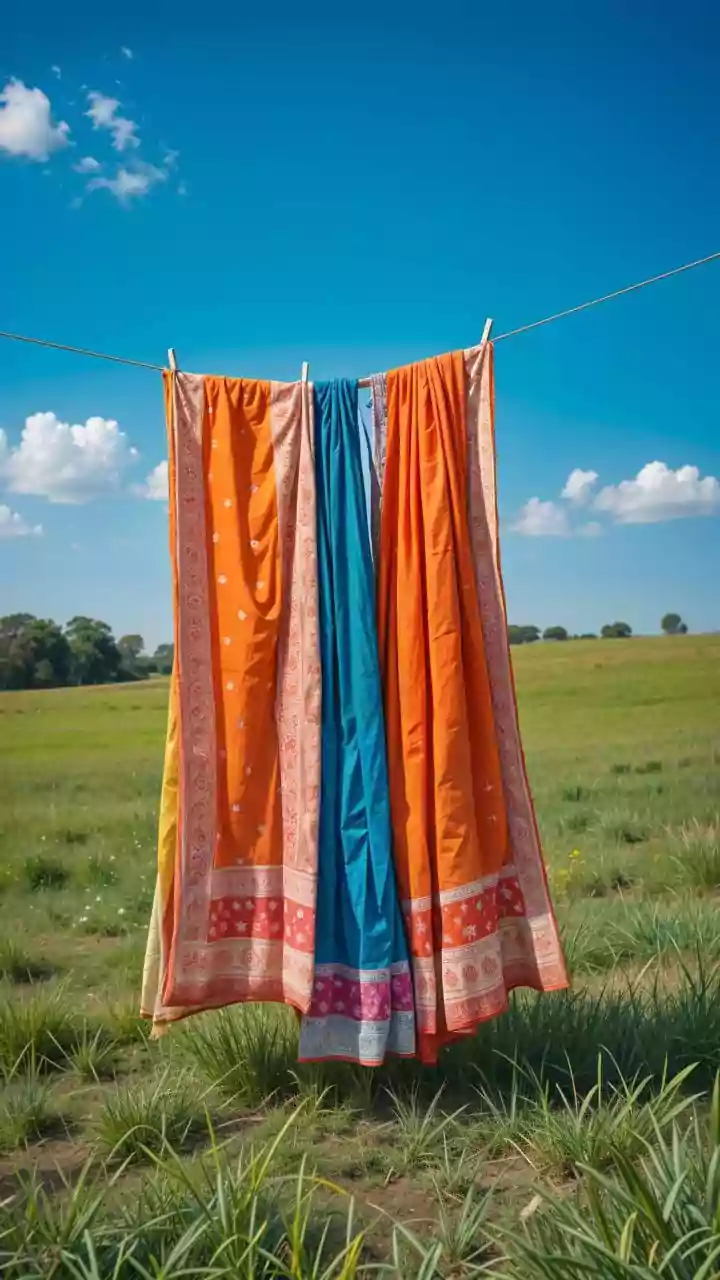
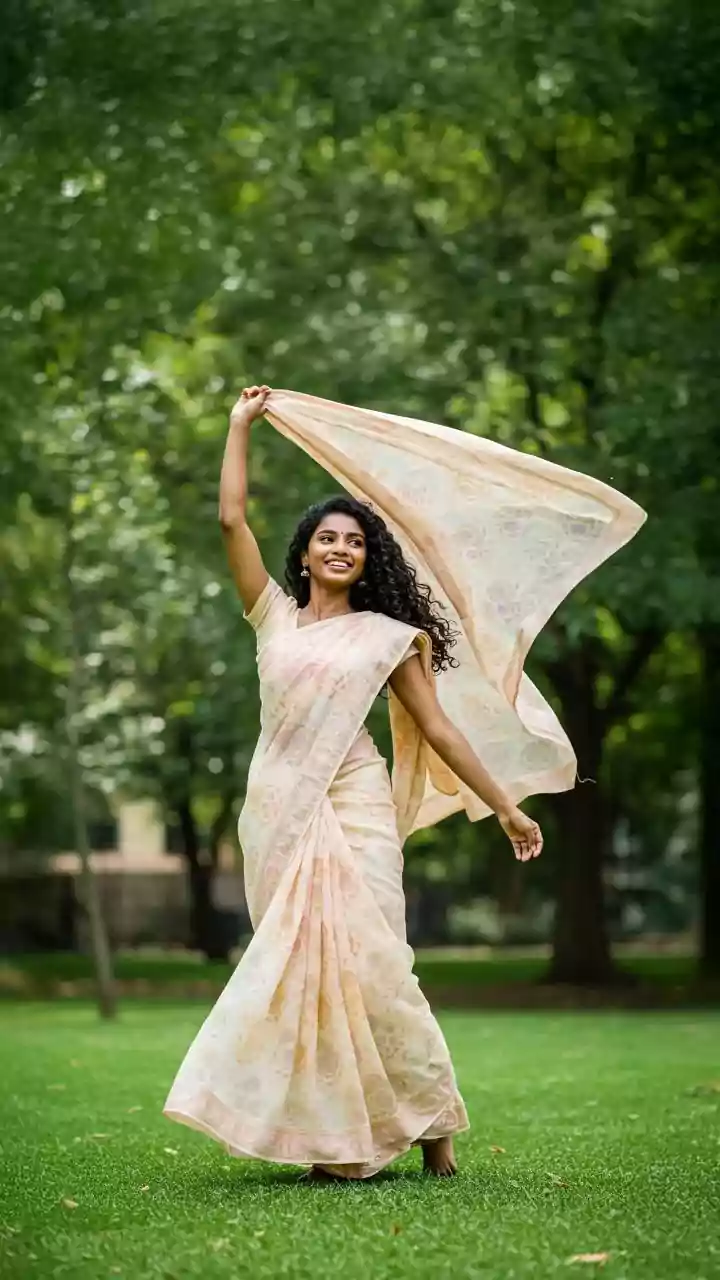
The dupatta is a traditional layering piece, but a heavy, cumbersome one can feel like a blanket in high humidity. The key is to choose your dupatta wisely and style it for comfort. Opt for dupattas made from lightweight fabrics like chiffon, georgette, organza, or fine cotton. These materials will flow and breathe, adding grace without trapping heat. Instead of a full, pleated drape, consider a more minimalist style. Simply draping it over one shoulder allows for more airflow. You can also style it like a scarf, looped loosely around your neck, especially with simpler kurtas. For a truly modern and hands-free approach, try belting your dupatta at the waist over your outfit. This cinches your silhouette and keeps the fabric under control, preventing it from feeling overwhelming.
The Power of Separates
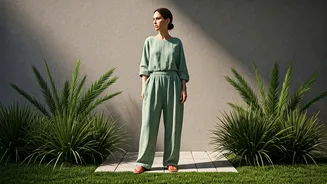
Layering doesn't always have to mean adding something on top. Building an outfit with separates is a form of layering that provides inherent ventilation and versatility. Think of co-ord sets, lehenga skirts with crop tops, or kurtas paired with palazzo pants. An A-line kurta or a flared skirt allows for maximum air circulation, preventing fabric from clinging to your body in the humidity. Pairing a lightweight Chanderi or cotton-silk Anarkali with leggings is another excellent choice, as the silhouette is naturally airy. This approach allows you to mix textures and prints, creating a layered look that is visually interesting but physically light. You can pair a simple cotton top with a more ornate skirt or vice versa, balancing festive glamour with practical comfort.
Accessorise Without the Weight
Your final layer is your accessories, and here too, 'light' is the operative word. In humid weather, heavy metallic jewellery can feel sticky and hot against the skin. Instead of a heavy necklace, consider statement earrings that draw attention upwards and away from your body. If you must wear a neckpiece, choose something delicate. Another smart swap is to focus on your hair accessories or a beautifully embellished clutch. These elements add a festive touch without contributing to that stuffy, overheated feeling. The goal is to create a complete, polished look where every element is chosen for both style and comfort in the challenging climate.