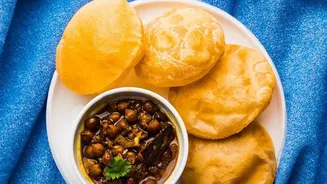



Dhaniya Panjiri
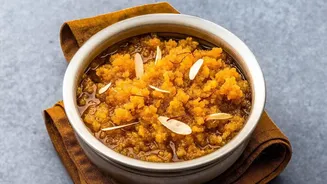
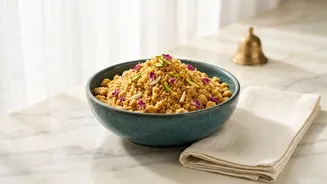
No Janmashtami bhog is complete without Panjiri, and this version made with coriander (dhaniya) powder is especially significant for the festival. It is a warming, aromatic, and nutritious preparation often used to break the day-long fast. To prepare,
heat three to four tablespoons of ghee in a pan. Lightly roast a quarter cup of chopped almonds and cashews, then set them aside. In the same pan, roast one cup of coriander seed powder on low heat until it becomes aromatic. Turn off the heat and let it cool slightly. Finally, mix in half a cup of powdered sugar, two tablespoons of grated coconut, half a teaspoon of cardamom powder, and the roasted nuts. This mixture is not just a prasad but a symbol of the festive spirit.
Makhan Mishri
Lord Krishna's legendary love for butter (makhan) makes this the most essential and simplest offering. Makhan Mishri represents the sweet, innocent love between the deity and the devotee. Its preparation requires no cooking, only pure ingredients. Take one cup of fresh, unsalted white butter in a bowl. If you're feeling traditional, you can churn it at home from full-fat cream or milk. Add two to three tablespoons of mishri (rock sugar) to the butter and mix gently. For an added touch of fragrance and flavour, you can add a few strands of saffron. This divine offering honours Krishna's playful childhood as 'Makhan-Chor' (the butter thief).
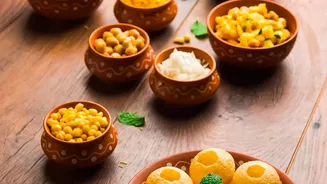
Gopalkala
Gopalkala is a savoury and refreshing dish, a favourite of Lord Krishna that is said to incorporate all his preferred foods. It's a no-cook recipe, perfect for a quick yet significant offering. To make it, soak one cup of poha (beaten rice) in water for a few minutes and then drain it completely. In a bowl, combine the soaked poha with four tablespoons of curd, a chopped cucumber, and two tablespoons of grated fresh coconut. For the tempering, heat a teaspoon of ghee, add a teaspoon of cumin seeds, and let them crackle. Add chopped green chillies and fry for a moment before pouring this over the poha mixture. Mix well and garnish with fresh coriander leaves before offering.
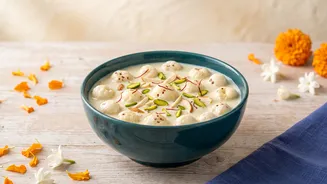
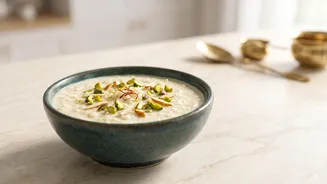
Makhana Kheer
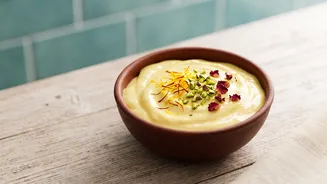
A creamy and delightful pudding, Makhana Kheer is a perfect fasting-friendly dessert for Janmashtami. Makhana, or fox nuts, are light and nutritious, making this kheer a wholesome treat. Begin by heating a tablespoon of ghee in a pan and roasting one cup of makhana until they are crisp. Let them cool and coarsely grind about two-thirds of them, leaving the rest whole for texture. In a separate heavy-bottomed pot, bring one litre of full-fat milk to a boil. Add the ground and whole makhana and let it simmer for 10-15 minutes, until the milk thickens and the makhana softens. Add sugar to taste, a quarter teaspoon of cardamom powder, and a handful of chopped nuts like almonds and pistachios. Simmer for a few more minutes before it's ready to be served.
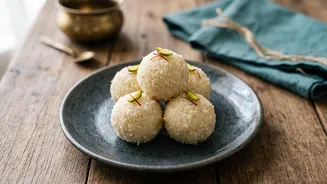
Coconut Ladoo
These sweet, melt-in-your-mouth ladoos, also known as Nariyal Ladoo, are an easy-to-make festive favourite. You can make an instant version with just a few ingredients. In a pan, lightly roast one and a half cups of desiccated coconut on low heat for a couple of minutes to release its aroma, being careful not to brown it. Pour in about half a cup of condensed milk and mix well. Continue to cook on low heat, stirring continuously, until the mixture thickens and starts to leave the sides of the pan. Add a pinch of cardamom powder for flavour. Turn off the heat and let the mixture cool slightly until it's warm enough to handle. Grease your palms with a little ghee and roll the mixture into small balls. You can roll the finished ladoos in more desiccated coconut for a classic look.
Panchamrit
Panchamrit, meaning 'five nectars', is a sacred and auspicious concoction used in Hindu pujas. It is not just an offering but is also used for the ritual bathing of the deity's idol. Preparing it is a simple act of devotion. In a clean bowl, combine one cup of milk (preferably raw) and one cup of curd (yogurt). To this, add two tablespoons of honey, one tablespoon of ghee, and one tablespoon of sugar. Stir the mixture gently until all the ingredients are well combined. It is customary to add a few fresh Tulsi (holy basil) leaves just before offering it to Lord Krishna. This sacred drink symbolizes purity and nourishment and is a vital part of the Janmashtami rituals.