




Understanding the Enemy: What Is Root Rot?
Root rot is not just about overwatering; it's a disease caused by fungi or bacteria that thrive in waterlogged soil. Plant roots need oxygen to function, but when soil is saturated with water for extended periods, oxygen is pushed out. This creates an anaerobic
environment where dormant pathogens like Pythium and Phytophthora activate, attacking and decaying the vulnerable roots. The damaged root system can no longer absorb the water and nutrients necessary for survival, leading to a plant that is effectively starving and suffocating, even when surrounded by moisture.
Spotting the Symptoms Early
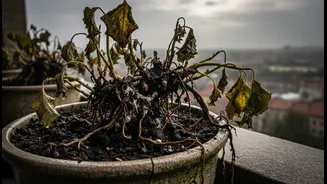
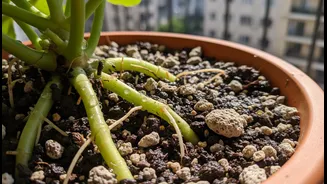
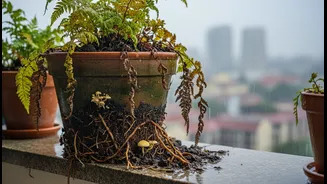
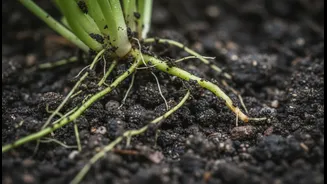
The initial signs of root rot can be deceptive, often mimicking the symptoms of an underwatered plant. Look out for leaves that are yellowing, wilting, or drooping even though the soil is damp. Stunted growth is another early clue that often goes unnoticed. As the condition progresses, you might notice the base of the stem becoming soft or mushy. The most definitive signs require a closer inspection: unhealthy roots will be brown, black, and soft, not firm and white like healthy ones. A distinct, foul or musty smell from the soil is also a tell-tale sign of decay.
The Prevention Playbook for Monsoon
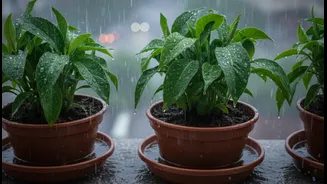
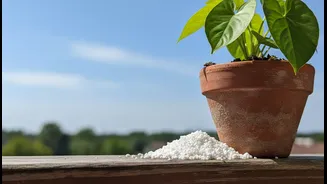
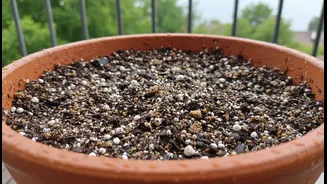
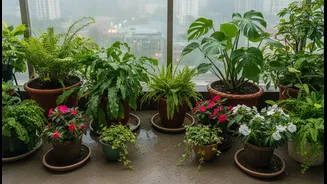
Prevention is far easier than treatment. The key lies in managing moisture and ensuring good aeration. Start with the right pot; terracotta or clay pots are ideal as their porous nature helps soil dry out faster. Absolutely ensure every pot has drainage holes. Elevating your pots on bricks or 'pot feet' also improves drainage and airflow underneath. Adjust your watering schedule drastically. With high humidity and frequent rain, your plants need much less water. Always check the soil by sticking your finger an inch or two deep; if it feels moist, do not water. Finally, consider your soil mix. Amending regular potting soil with perlite, coarse sand, or vermiculite will significantly improve drainage and prevent waterlogging.
Emergency Surgery: How to Save Your Plant
If you suspect root rot, you must act fast. Gently remove the plant from its pot and wash the old soil from the roots to get a clear look. Using a pair of clean, sterilized scissors, carefully trim away all the brown, black, and mushy roots. Be ruthless; any diseased root left behind can cause the rot to spread again. If you've had to remove a significant portion of the roots, it's wise to also prune about one-third of the plant's foliage. This helps balance the plant, as the reduced root system can't support a full crown of leaves. Discard the old, contaminated soil completely. Clean the pot thoroughly before repotting the plant in fresh, well-draining potting mix. Water very lightly and place the plant in a spot with indirect light as it recovers.