


Welcome to the Abode of Clouds
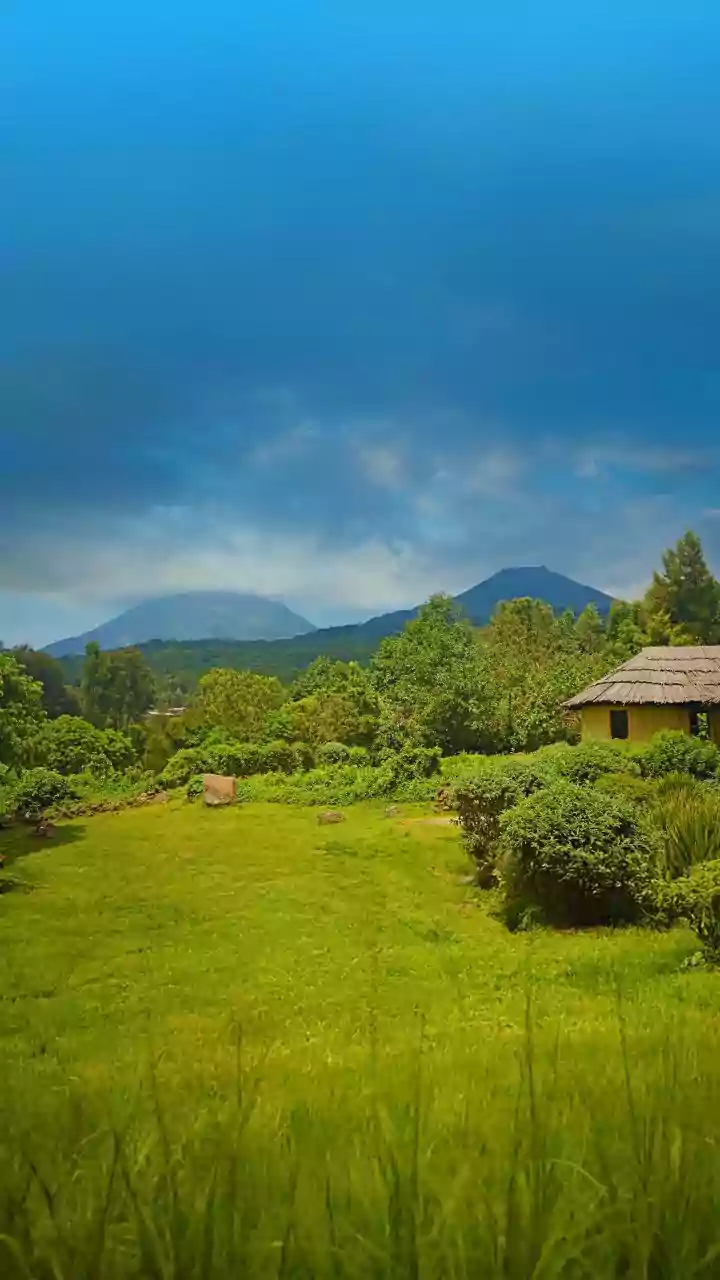
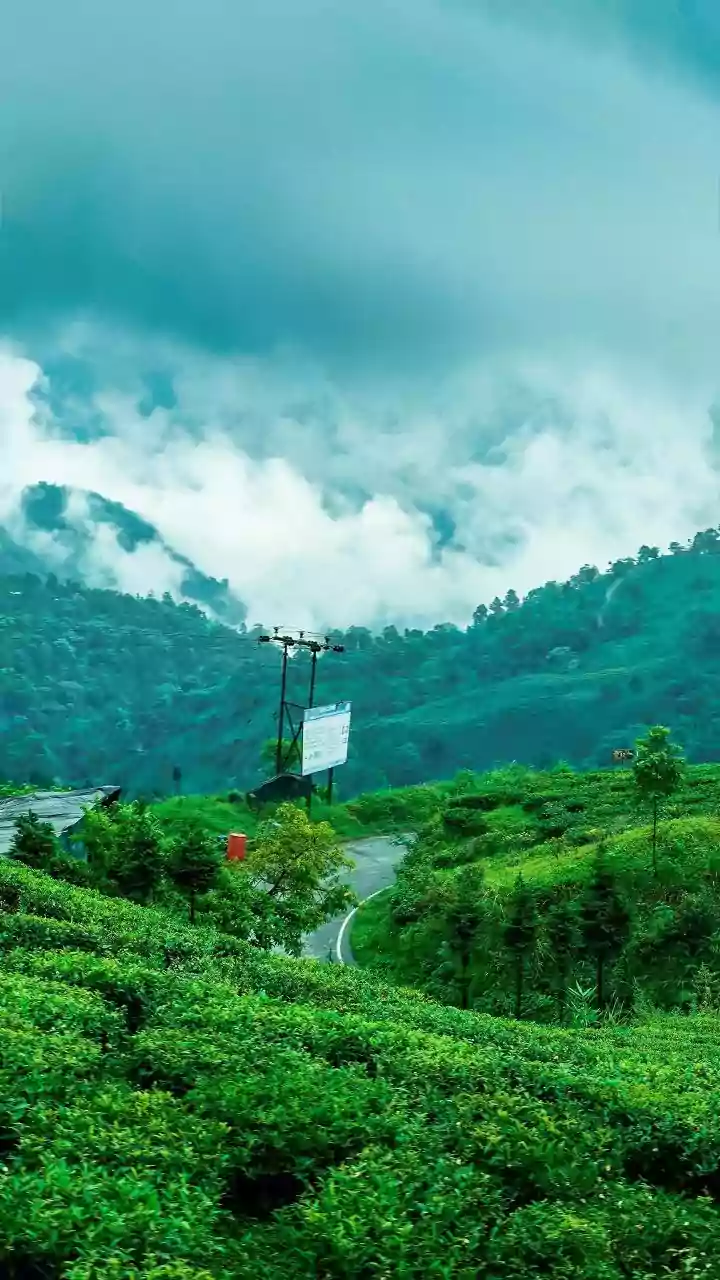
Forget the golden beaches of Goa or the crowded landmarks of the Golden Triangle. Tucked away in India’s northeast, the state of Meghalaya is a world apart. Its name literally translates to “Abode of the Clouds,” a fitting title for a region of misty
hills, deep gorges, and some of the highest rainfall on Earth. Often called the “Scotland of the East” for its rolling landscapes, Meghalaya has remained largely off the typical tourist circuit, preserving a sense of raw, untouched beauty. Its capital, Shillong, is a charming hill station, but the real magic lies further out, in the tiny villages that cling to the jungle-covered cliffs.
Why the Monsoon Is Peak Season
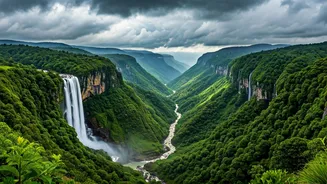
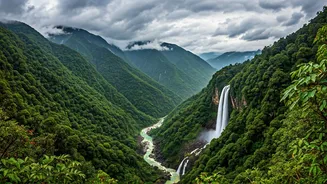
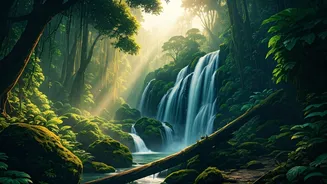
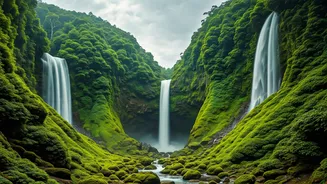
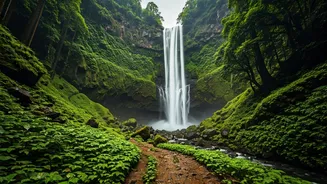
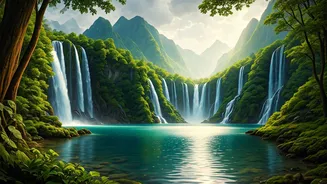
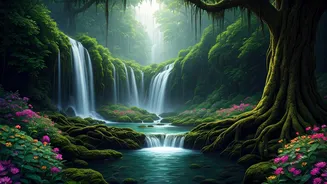
In a move that defies conventional travel wisdom, the best time to visit Meghalaya is from June to September, right in the heart of the Indian monsoon. This is when the region receives the downpours that give it life. Dry, dusty riverbeds transform into thunderous torrents. Hundreds of waterfalls, many of which disappear in the dry season, burst from every cliffside, draping the landscape in curtains of white water. The forests become an almost electric shade of green. The villages of Mawsynram and Cherrapunji (now officially known as Sohra) compete for the title of “wettest place on Earth,” and being there to witness the deluge is a humbling, multi-sensory experience. It’s not just rain; it’s a life-giving force that defines the entire ecosystem.
Walking on Living Root Bridges
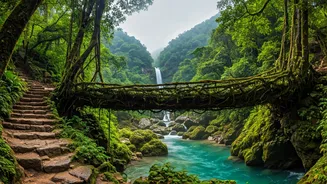
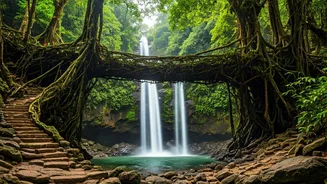
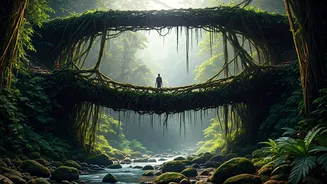
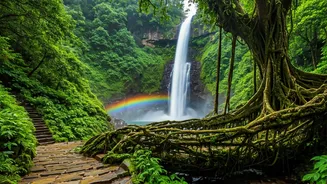
Meghalaya's most astonishing attractions are its living root bridges. For centuries, the indigenous Khasi and Jaintia peoples have guided the aerial roots of rubber fig trees across rivers and gorges, weaving them together until they form sturdy, living structures. These are not built, but grown. The most famous example, the Umshiang Double-Decker Root Bridge near Nongriat village, requires a multi-hour trek to reach, but the reward is a sight straight out of a fantasy novel. Walking across a bridge that is alive, with the sound of the river roaring below and a fine mist in the air, is an experience unique to this corner of the world. During the monsoon, surrounded by lush foliage, these bridges feel like ancient, sacred gateways.
Waterfalls, Caves, and Khasi Culture
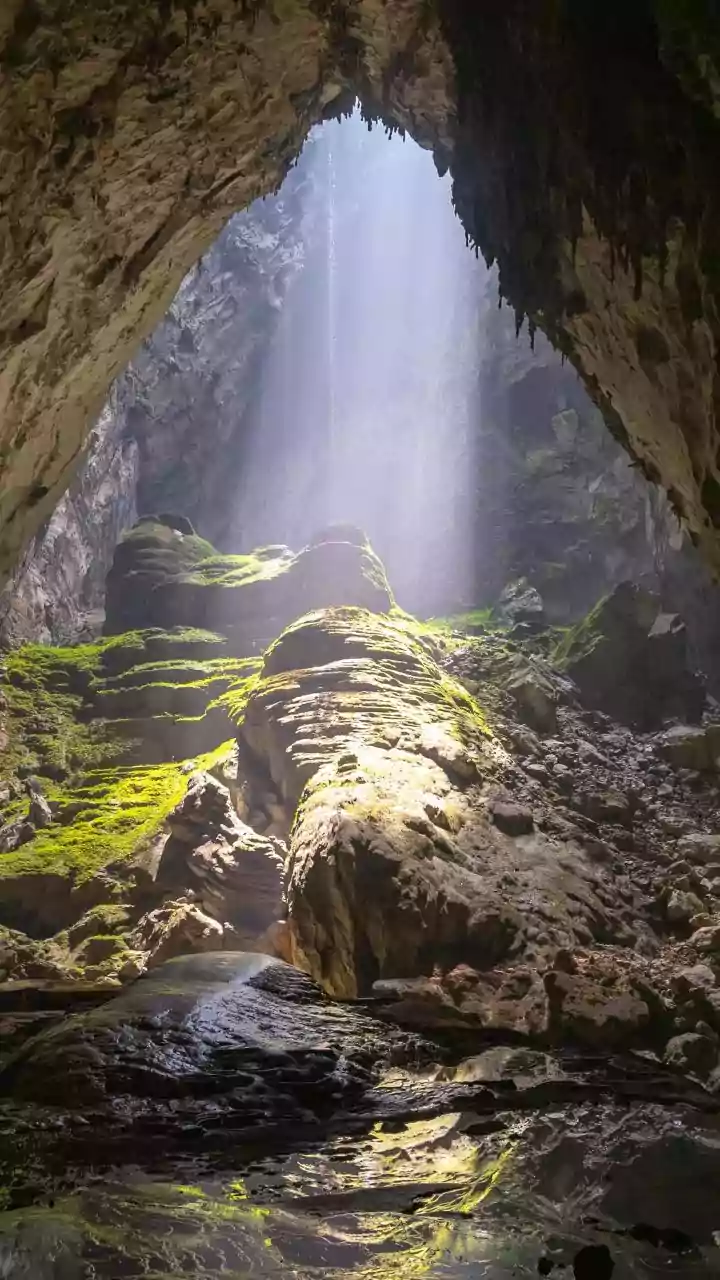
Beyond the rain and bridges, Meghalaya is a playground for nature lovers. Nohkalikai Falls, one of India’s tallest plunge waterfalls, is at its most powerful and dramatic during the monsoon. The Mawsmai Caves offer a glimpse into the subterranean world, with impressive stalactite and stalagmite formations that are easy to explore. But the region’s appeal isn't just geological. Meghalaya is home to one of the world's few remaining matrilineal societies. Among the Khasi people, lineage and inheritance are passed down through the mother's line, with the youngest daughter inheriting the ancestral property. Engaging with this unique culture, often through a stay in a family-run homestay, adds a profound layer of depth to any visit.
How to Embrace the Rain
A trip to Meghalaya during monsoon requires preparation, not avoidance. The key is to embrace the wet. Pack high-quality waterproof jackets, pants, and shoe covers. A waterproof bag for your electronics is non-negotiable. The easiest way to get there is to fly into Shillong, or the larger airport in Guwahati in the neighboring state of Assam, a scenic 3-4 hour drive away. Renting a car with a knowledgeable local driver is the best way to navigate the winding roads. Opt for homestays over hotels for a more authentic experience; sipping hot tea on a porch while watching the clouds roll in is a core part of the Meghalayan experience. Finally, be flexible. A sudden downpour might change your plans, but it also might reveal a new, temporary waterfall you’d never have seen otherwise.