


Beyond the Predictable Menu
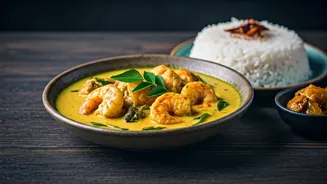
For years, the Indian restaurant landscape was neatly compartmentalised. You had North Indian restaurants serving rich curries and tandoori breads, South Indian spots for dosas and idlis, and perhaps a Bengali eatery focused on fish. [13, 17] While delicious,
this approach presented a simplified version of India's immense culinary heritage. The term 'Indian food' became synonymous with a handful of globally popular dishes like butter chicken and biryani, overlooking the subcontinent's staggering diversity. [5] This often meant that countless regional specialties, hyperlocal ingredients, and treasured family recipes remained confined to home kitchens. [12, 25] The dining experience, though comforting, was predictable, rarely offering a true journey through the nation's flavours.
The Rise of the Culinary Map
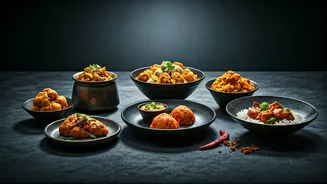
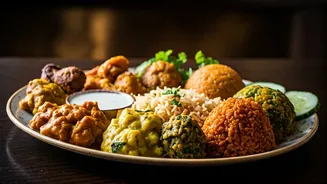
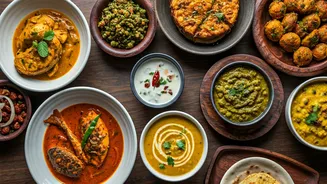
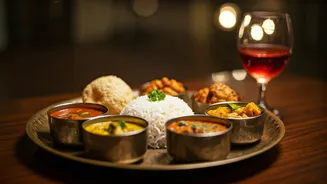
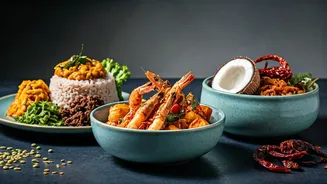
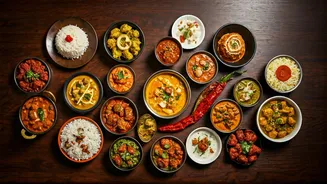
A new generation of chefs and restaurateurs is confidently breaking down these regional silos. [11] Instead of focusing on a single region, they are curating menus that read like a culinary map of India. [4] These establishments showcase dishes from multiple states, side-by-side, offering diners a taste of Nagaland's smoked pork with bamboo shoot, Kerala's avial, and Rajasthan's dal baati churma, all under one roof. [12] This movement is about more than just variety; it's a conscious effort to redefine Indian food by showcasing its complexity and depth. [5] Chefs are acting as storytellers, reviving forgotten recipes and celebrating ingredients and techniques unique to specific communities, from Garhwali and Bihari to Kashmiri Pandit cuisines. [9, 11] This approach allows diners to explore beyond the mainstream and discover the nuanced stories each dish tells. [9]
An Appetite for Authenticity and Discovery
This trend is fueled by a growing curiosity among Indian diners. [5] Increased travel, media exposure, and a renewed sense of cultural pride have created an appetite for authenticity that goes beyond generic curries. [12] People no longer just want to eat; they want an experience. [4] They are eager to learn the origins of their food, understand the history behind a particular spice blend, and connect with the diverse cultures that make up India. [12] Multi-regional menus cater directly to this desire for discovery. A meal becomes an exploration, where you can travel from the coast of Goa to the mountains of Himachal Pradesh in a single sitting. [14, 5] This shift indicates that diners are gravitating toward food that feels rooted, soulful, and satisfying in its authenticity. [12]
Chefs as Curators and Innovators
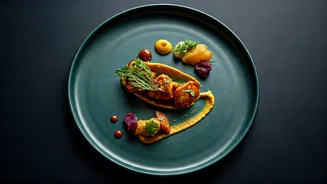
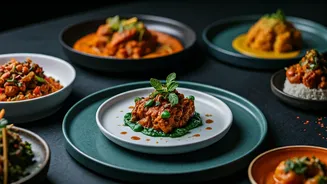
The chefs leading this charge are part culinary artists, part cultural archivists. [9, 11] Many are driven by a passion to preserve and elevate the food they grew up with. [9] They are moving away from simply recreating popular dishes and are instead investing in research, travelling to remote villages, and learning from home cooks to unearth recipes that have been passed down through generations. [9, 4] This dedication results in menus that are both authentic and innovative. While rooted in tradition, these chefs often use modern techniques and presentations to make regional dishes accessible and exciting for a contemporary audience. [11, 24] They are proving that traditional flavours and modern dining experiences can coexist beautifully. [11]