




The Problem with Today's EV Batteries
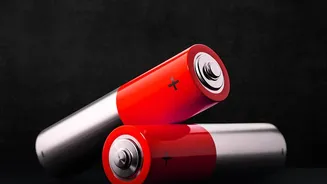
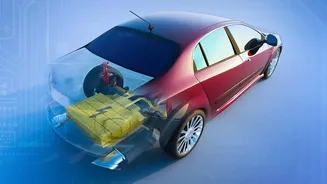
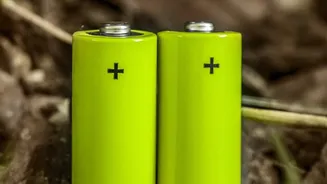
The heart of any electric vehicle is its battery, and for years, the industry standard has been lithium-ion. While these batteries have powered the EV revolution so far, they come with significant drawbacks, especially for the cost-sensitive Indian market.
Lithium-ion batteries use a liquid or gel-like substance called an electrolyte to move energy around. This liquid is flammable, which creates a potential fire risk and requires heavy, complex cooling and safety systems. These systems add weight and, crucially, cost to the final vehicle. Furthermore, these batteries are sensitive to India's extreme temperatures, which can reduce their efficiency and lifespan. Their energy density—the amount of energy stored in a given space—is also limited, which means manufacturers have to choose between a practical range and a low price.
Enter the Solid-State Solution
Solid-state batteries represent a fundamental shift in design. As the name suggests, they replace the flammable liquid electrolyte with a solid material, often a thin layer of ceramic, glass, or polymer. This simple change has massive implications. By removing the liquid, the risk of fire and leakage is virtually eliminated, making the batteries inherently safer. This increased safety means manufacturers can do away with many of the bulky cooling systems required for lithium-ion packs, making the overall battery lighter and simpler to produce. This technology isn't just theoretical; major automakers like Toyota, Nissan, and BMW are investing heavily and building pilot production lines, signaling that commercialisation is on the horizon.
More Kilometres, Less Worry
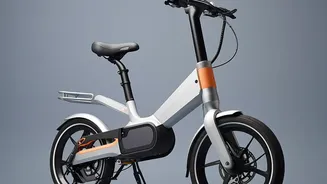
The benefits of solid-state technology go far beyond safety. They offer significantly higher energy density, potentially storing double the energy in the same amount of space compared to current batteries. For a two-wheeler rider, this translates directly into a much longer range on a single charge, tackling the 'range anxiety' that holds many potential buyers back. Some prototypes have shown the potential for ranges exceeding 1,000 kilometres. Charging times could also be slashed dramatically. Researchers have demonstrated prototypes that can charge from 10% to 80% in under 15 minutes. Finally, these batteries are more durable, able to withstand many more charge and discharge cycles before degrading, meaning a longer lifespan and better long-term value for the owner.
The Path to Lower Costs
While currently more expensive to produce, the path to making solid-state batteries cheaper than lithium-ion is becoming clear. The key is manufacturing at scale. As companies refine their production techniques and move from lab testing to full-scale factories, economies of scale will kick in, drastically reducing the cost per unit. The simpler design, which requires fewer safety components, also contributes to lower assembly costs. Furthermore, the use of more abundant materials could eventually make them cheaper than lithium-ion batteries, which rely on materials like cobalt. Experts project that as production increases through the late 2020s, the cost of solid-state batteries will fall significantly, a crucial step for achieving price parity with petrol-powered scooters and motorcycles.
The Road Ahead for India
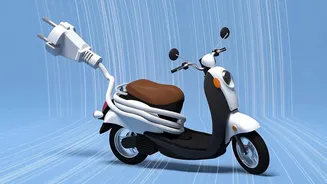
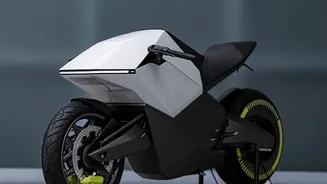
The journey to mass-market solid-state EVs is a marathon, not a sprint. The main hurdle remains scaling up production from prototypes to millions of units without defects. However, the progress is undeniable. Recent breakthroughs, including tests at a research centre in Bangalore, highlight the momentum building within India. The Indian government's push through initiatives like the Advanced Chemistry Cell (ACC) mission is also creating a domestic ecosystem for advanced battery manufacturing. While the first vehicles with these batteries will likely be premium models, the technology is expected to become mainstream towards the end of the decade, making cheaper, safer, and longer-range electric two-wheelers a reality for millions of Indians.