





The Science of the Sequence
The practice is called 'meal sequencing,' and a growing body of scientific evidence supports its benefits. The core idea is to eat food groups in a specific order: fibre-rich vegetables first, followed by protein and fats, and finally, starches and sugars
(carbohydrates). When you begin a meal with vegetables, their fibre creates a kind of viscous mesh in your digestive system. This slows down 'gastric emptying,' the process of food moving from your stomach to your small intestine. This simple act has a profound effect on how your body processes the rest of the meal, particularly carbohydrates.
Flattening the Glucose Curve
The midafternoon energy crash is often the direct result of a rapid spike and subsequent fall in your blood glucose (sugar) levels. Eating carbohydrates, especially refined ones like white rice or bread, on an empty stomach causes a quick flood of glucose into your bloodstream. Your body releases insulin to manage this sugar, and the resulting sharp drop is what makes you feel tired and sluggish. However, when you eat vegetables first, that fibre mesh you created acts as a buffer. It slows the absorption of glucose from the carbohydrates that follow, leading to a much gentler, more gradual rise and fall in blood sugar. Studies have shown this method can significantly lower post-meal glucose spikes. In one study, post-meal glucose levels were found to be over 36% lower when vegetables and protein were eaten before carbs.
How to Put It into Practice
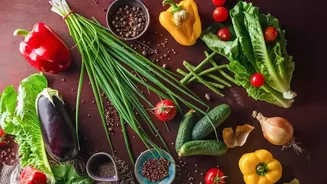
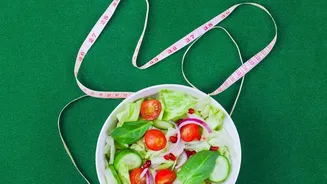
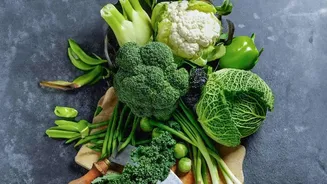
Adopting meal sequencing doesn't require a radical diet overhaul. It's a simple, strategic shift. Begin your lunch or dinner with a starter of non-starchy vegetables. This could be a simple side salad with a light vinaigrette, a bowl of clear vegetable soup, or a serving of sautéed or steamed vegetables like beans, broccoli, or cauliflower. Even a handful of raw carrots or cucumbers will do the trick. The key is to consume this fibre-first component before you move on to the protein and carbohydrate elements of your meal. Think of it as an appetiser with a purpose. For those eating a traditional Indian thali, this might mean starting with the kachumber salad or the sabzi before moving to your dal, paneer, or meat, and finishing with rice or roti.
Beyond Just Greens and Energy
While stable energy is a major advantage, the benefits don't stop there. This 'veggies-first' approach has several other positive effects. Because fibre and protein promote satiety, starting your meal with them can help you feel fuller for longer. This can reduce cravings and prevent overeating, which may support weight management goals. Furthermore, focusing on eating vegetables first naturally increases your overall intake of these nutrient-dense foods, which are packed with essential vitamins, minerals, and antioxidants that are crucial for heart health and lowering the risk of chronic diseases. Research shows this eating pattern is beneficial not just for those managing diabetes, but for anyone looking to improve their metabolic health.