





The Generation Success Story
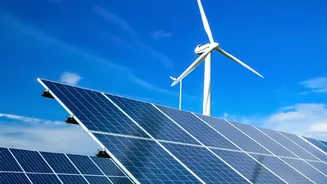
On paper, India's renewable energy journey is a resounding success. The country has ambitious goals, aiming for 500 gigawatts (GW) of non-fossil fuel capacity by 2030, and is well on its way to meeting them, having already crossed the 300 GW mark. This
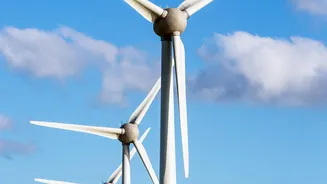
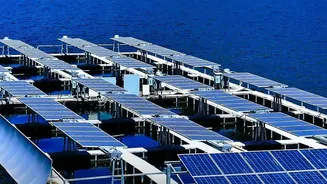
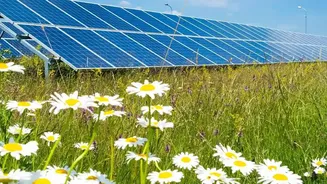
surge is primarily driven by solar power, where installations have accelerated dramatically. States like Rajasthan and Gujarat, blessed with abundant sunshine and wind, have become hubs for clean energy generation. This rapid expansion has made India a global leader, now ranking third in renewable energy capacity. This part of the puzzle—building the capacity to generate power—has been a visible and celebrated achievement, fueled by government policy and falling technology costs.
The Challenge of Intermittency
However, generating renewable power isn't without its own hurdles. The biggest is intermittency. Solar panels only work when the sun shines, and wind turbines only spin when the wind blows. This variability creates a major challenge for grid operators who need to maintain a constant, stable supply of electricity. Unlike a coal plant that can be run on demand, renewable sources fluctuate. This requires sophisticated forecasting and, increasingly, large-scale energy storage solutions like batteries or pumped hydro to save excess power generated during peak times for use when generation dips. While prices for these storage systems are falling, integrating them effectively into the grid is a complex and expensive undertaking.
The Long Journey: Transmission Bottlenecks
Once green electricity is generated, it must travel—often hundreds of kilometres—from energy-rich states to major demand centres. This is where the delivery problem begins. India's transmission infrastructure has not kept pace with the rapid growth of generation. Building high-voltage transmission lines is a slow process, bogged down by challenges like land acquisition and obtaining clearances. The result is a growing mismatch: power plants are ready, but the 'highways' to carry their electricity are congested or incomplete. This leads to "curtailment," where grid operators are forced to intentionally reduce power output from solar and wind farms because there's no capacity to evacuate it. By one estimate, nearly 21 GW of renewable capacity relies on temporary connections, facing restrictions during peak generation hours.
The Last Mile: Ailing Distribution Companies
The final, and perhaps most critical, piece of the puzzle is the distribution network, managed by state-owned distribution companies (DISCOMs). For decades, these DISCOMs have been the weakest link in India's power sector, saddled with enormous debt and operational inefficiencies. Many suffer from high "Aggregate Technical & Commercial" (AT&C) losses, which result from a combination of power theft, billing mistakes, and inefficient infrastructure. They are often forced to sell electricity at subsidised rates without being fully compensated by state governments, creating a massive gap between their costs and revenues. This poor financial health makes them reluctant to invest in upgrading their local networks or to sign new power purchase agreements, especially for variable renewables which can complicate their grid management. Initiatives like the UDAY scheme were launched to reform them, but success has been limited, and the underlying problems persist.
Connecting the Two Halves of the Puzzle
Solving this puzzle requires a two-pronged approach that moves beyond just celebrating generation milestones. On the delivery front, the government is investing in 'Green Energy Corridors'—dedicated transmission networks to seamlessly move renewable power from generation-heavy regions to the rest of the country. Efforts are also underway to introduce new reform schemes for DISCOMs, linking financial assistance to performance improvements like loss reduction and infrastructure upgrades. For generation, the focus is shifting towards pairing renewable projects with energy storage to ensure a more reliable and predictable supply. Only by tackling the unglamorous but essential work of fixing the transmission and distribution systems can India truly capitalise on its renewable generation boom.