





The Great Weather Transition
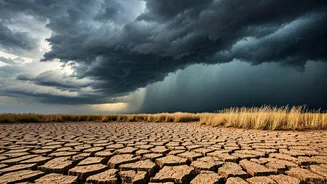
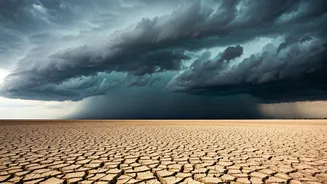
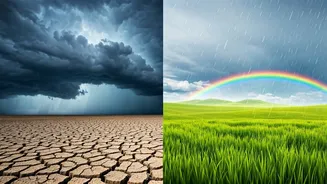
Much of northern and central India is currently grappling with oppressive heat and humidity. In Delhi, the minimum temperature recently hit a two-year high, with the 'feels-like' temperature soaring towards 50 degrees Celsius. This intense heat is occurring
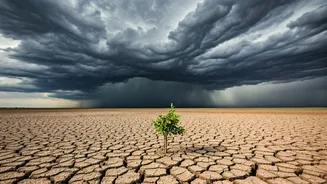
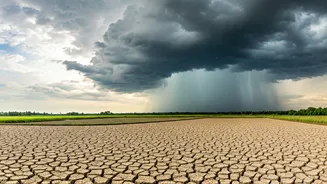
as dry westerly winds clash with moisture-laden southwesterly winds, a typical precursor to the monsoon's arrival, which has been delayed in some regions. The India Meteorological Department (IMD) has forecast that conditions are favourable for the southwest monsoon to advance across northern states within the next five to six days, bringing thunderstorms and rain that will cause temperatures to fall. While Northeast India is already bracing for heavy rainfall, other areas are on the cusp of this major seasonal shift.
Secure Your Home Base
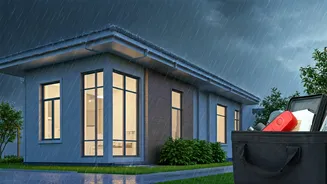
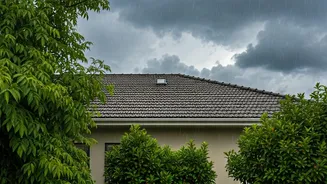
The first downpours after a long, dry spell can reveal a host of household vulnerabilities. Before the rains set in, conduct a thorough check of your home. Inspect your roof for any loose or cracked shingles to prevent leaks. Clear out gutters and downspouts of leaves and debris, as blockages can cause water to overflow and seep into your foundation. Walk around the perimeter of your house to ensure the ground slopes away from the foundation, preventing water from pooling against basement walls. It's also wise to check and seal any cracks in basement walls or around window frames with waterproof sealant to prevent infiltration. On balconies and terraces, secure any loose items like plant pots or furniture that could be hazardous in strong winds.
Prioritise Health and Hygiene
The monsoon season brings a heightened risk of various illnesses. Increased humidity fosters the growth of bacteria and fungi, while waterlogging can create breeding grounds for mosquitoes, which spread diseases like dengue and malaria. To protect your family, prioritise hygiene. Wash your hands frequently with soap and water, especially before eating. Be cautious with food and water sources. It's advisable to drink boiled or filtered water, as tap water can become contaminated. Avoid street food, which may be prepared with unclean water or exposed to contaminants. Instead, opt for fresh, thoroughly washed, and well-cooked homemade meals.
Build Your Emergency Kit
Heavy rains can often lead to infrastructure challenges, including power cuts and flooded streets. Being prepared can make these disruptions more manageable. Assemble a home emergency kit that includes essentials like a powerful torch, spare batteries, a fully charged power bank for your mobile devices, and a first-aid kit with antiseptic liquids and bandages. Keep a stock of essential medications, non-perishable food items, and clean drinking water. With the increased moisture, it's also a good idea to keep important documents and electronics in waterproof bags. If you live in a flood-prone area, a battery-powered sump pump can be a crucial defence against basement flooding.
Navigate the Rains Safely
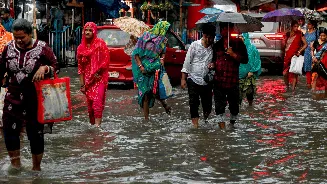
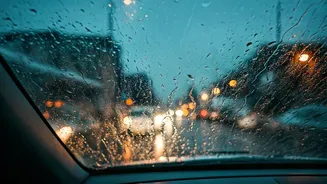
Commuting during the monsoon requires extra caution. Before heading out, check your vehicle's tyres, brakes, and windscreen wipers to ensure they are in good working condition. Headlamps and fog lights are also critical for visibility during a downpour. When driving, slow down and maintain a safe distance from other vehicles, as roads can be slippery and braking distances increase. Avoid driving through waterlogged streets, as it can be difficult to gauge the water's depth or see hidden hazards like open manholes. If you rely on public transport, allow for extra travel time, as services can be delayed due to flooding or traffic jams. Wearing quick-drying clothes and waterproof footwear can also make your journey more comfortable and help prevent fungal skin infections.