




What Makes a Food 'Ultra-Processed'?
The term ‘ultra-processed’ often brings to mind what we might call ‘junk food’, but the definition is more scientific. Researchers use a system called NOVA, which classifies foods into four groups based on their level of industrial processing. Unprocessed
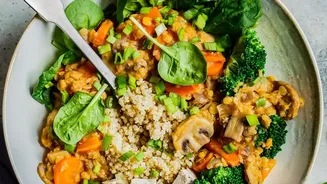
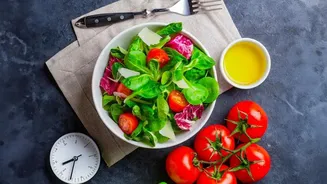
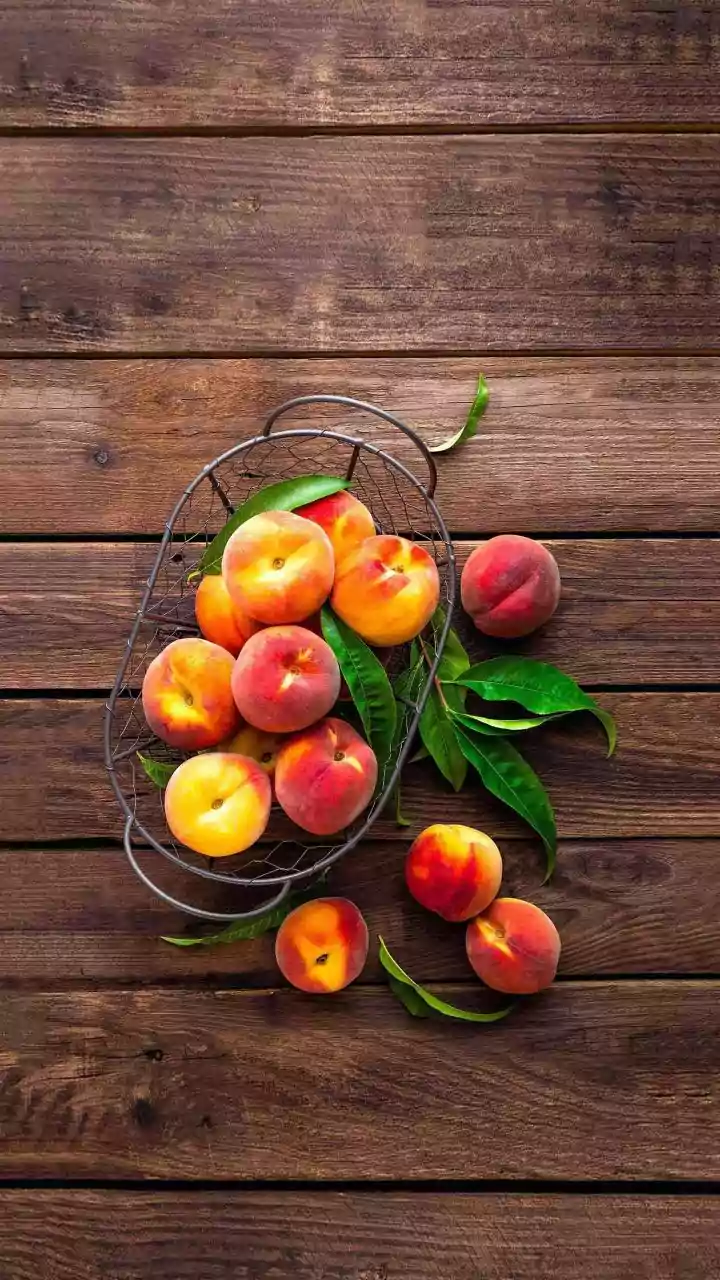
or minimally processed foods are things like fresh fruits, vegetables, grains, and meat. Processed foods have been altered by adding ingredients like salt, sugar, or oil, such as canned vegetables or freshly made bread. Ultra-processed foods, however, are industrial formulations. They are typically made from substances extracted from foods (like fats, starches, and sugars) and contain additives not used in home cooking, such as artificial colours, flavour enhancers, and emulsifiers. Think of soft drinks, packaged cookies, frozen pizzas, and many breakfast cereals. A simple way to spot them is to check for a long list of ingredients with chemical-sounding names.
The Appeal of Convenience and Cost
So, why do these foods make up such a large portion of our diets? In many countries, UPFs account for over half of all calories consumed. The answer lies in their design. UPFs are created to be convenient, affordable, and have a long shelf life, making them an easy choice for busy individuals and families. They require little to no preparation, which is a significant advantage in fast-paced modern lifestyles. Their low cost, a result of mass production with inexpensive ingredients, also makes them highly accessible. This combination of convenience and affordability is a powerful driver of their widespread consumption.
Engineered to Be Irresistible
There's another reason UPFs are so common: they are often engineered to be 'hyper-palatable'. Food manufacturers design these products with precise combinations of fat, sugar, salt, and flavour enhancers to stimulate the brain's reward centres, encouraging you to eat more. This intentional design can make it difficult to stop eating them, even when you feel full. The texture also plays a role; many UPFs are soft and easy to consume quickly, which means people can eat more calories before their body's fullness signals kick in. It's a key part of why researchers are investigating their role in modern eating patterns, moving beyond individual willpower to look at the properties of the foods themselves.
The Growing Body of Health Concerns
The widespread consumption of UPFs has raised significant health alarms. A large and growing body of research has linked diets high in these foods to an increased risk of numerous health problems. These include obesity, type 2 diabetes, cardiovascular disease, and even certain types of cancer. Studies have found that people who eat more UPFs tend to consume more calories overall. The high levels of added sugar, unhealthy fats, and sodium, combined with a low content of fibre and essential nutrients, are believed to be major contributing factors to these negative health outcomes.
A Nuanced View: Not All UPFs Are Equal
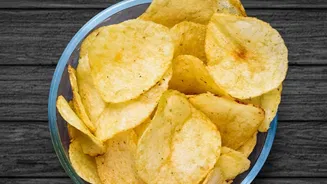
While the evidence against a diet dominated by UPFs is strong, some experts argue that the category is too broad and lacks nuance. For example, a whole-grain packaged bread or fortified soymilk might be classified as ultra-processed, but they offer different nutritional value than a sugary soda or a bag of chips. Researchers point out that the overall dietary pattern matters more than any single food. Some processed foods can be part of a healthy diet, especially when they save time and make it easier to consume nutrients, like frozen vegetables or canned beans. The focus, therefore, is shifting towards understanding the dose and context of UPF consumption within a person's entire diet.
Making Informed Choices
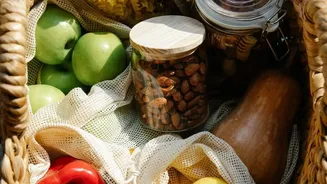
The goal for most people shouldn't be to eliminate all processed foods, which is nearly impossible, but to reduce reliance on the ultra-processed varieties. A practical approach starts with reading ingredient labels. If the list is long and full of substances you don't recognise, it’s likely a UPF. Prioritising whole and minimally processed foods like fresh produce, legumes, and lean proteins is a great foundation. Cooking more meals from scratch gives you control over the ingredients. When choosing snacks, opting for fruits, nuts, or plain yogurt instead of packaged cakes and chips can make a significant difference. It’s about making small, sustainable shifts toward a diet based on whole foods.