





The Invisible Drain of Micro-Spends
A cutting chai for ₹10, a shared auto ride for ₹30, a quick snack for ₹50. Individually, these Unified Payments Interface (UPI) transactions feel insignificant. But this convenience has a hidden cost. This phenomenon, often called the “latte factor,”
illustrates how small, regular expenses can add up to a substantial amount over time, quietly sabotaging bigger financial goals. A daily spend of just ₹150 on miscellaneous items totals ₹4,500 in a month and a staggering ₹54,000 in a year. That’s money that could have been a significant contribution to an emergency fund, a down payment, or a mutual fund SIP.
The Psychology of Frictionless Payments
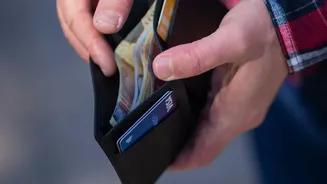
The problem is rooted in psychology. When you pay with cash, you physically see the money leave your hand, triggering a minor psychological “pain of paying.” This friction forces a moment of consideration. Digital payments, especially the seamless QR-code-and-PIN flow of UPI, remove this friction entirely. The transaction is abstract, just numbers on a screen, which decouples the pleasure of buying from the pain of paying. This makes it easier to spend impulsively on small wants without fully registering the financial impact until you review your statement, by which point it’s too late.
Step 1: Make Your Spending Visible
You can’t manage what you don’t measure. The first step to controlling UPI spends is to make them visible again. While most UPI apps like Google Pay and PhonePe have a transaction history, they don't always offer great analytical tools. Consider using an expense tracker app that automatically reads your transaction SMS alerts to categorise spending, such as Moneyview or axio. Alternatively, you can take 15 minutes every Sunday to manually review your UPI history and log your expenses in a simple spreadsheet. The goal is to see exactly where your money is going, converting abstract data back into concrete awareness.
Step 2: Create a Dedicated Spending Account
One of the most effective strategies is to separate your spending money from your savings and fixed expenses. Maintain your salary account for receiving income and paying major bills like rent and EMIs. Then, open a secondary bank account linked to your UPI apps. At the start of each week or month, transfer a fixed amount—your discretionary budget for food, transport, and fun—into this account. Once the balance runs low, you know you need to curb your spending until the next transfer. This method recreates the scarcity of a physical cash envelope, forcing you to be more mindful without constant manual tracking.
Step 3: Introduce Intentional Friction
Since the core problem is a lack of friction, intentionally adding some back can dramatically improve discipline. Instead of saving what’s left after spending, automate your savings first. Set up SIPs or recurring deposits to be debited from your salary account right after you get paid. For daily spends, consider setting daily or monthly transaction limits within your UPI app itself. Some users also find success with a “24-hour rule” for non-essential purchases: if you want something, wait 24 hours before buying it. This simple pause helps distinguish between a fleeting impulse and a genuine want.
Step 4: Budget, But Don’t Deprive
A budget isn't about cutting out everything you enjoy; it's about planning for it. A popular framework is the 50/30/20 rule: 50% of your income for needs (rent, bills), 30% for wants (dining out, entertainment), and 20% for savings. This gives you a clear boundary for your discretionary UPI spending. It allows you to enjoy your money guilt-free within that 30% limit. Remember, the goal is not to punish yourself but to gain control. If you deprive yourself of every small pleasure, your budget is more likely to fail. The key is mindful spending, not zero spending.