





A Land of Extremes
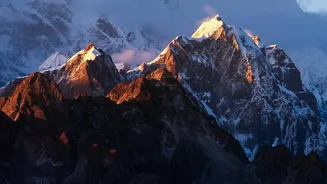
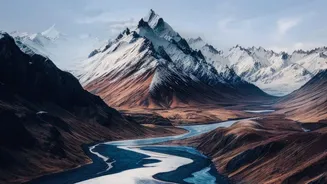
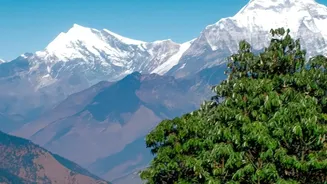
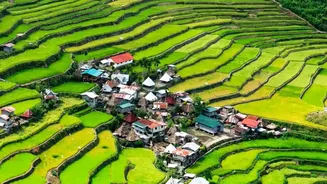
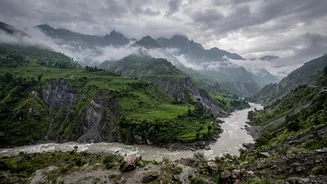
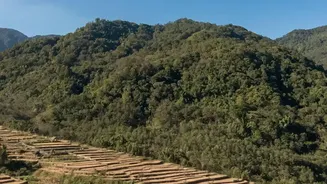
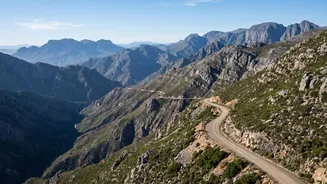
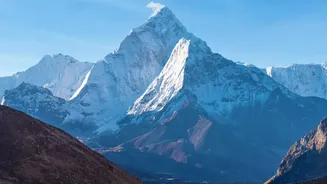
Nepal's geography is a double-edged sword. Its dramatic landscape, with steep Himalayan slopes giving way to the flat Terai plains, creates a unique and breathtaking environment. However, this same topography makes it one of the most disaster-prone countries
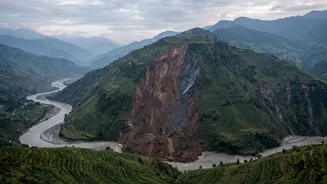
in the world. The nation sits on the volatile boundary where the Indian and Eurasian tectonic plates collide, creating immense geological pressure that leads to earthquakes. But the very steepness and fragile geology of the mountains also create the perfect conditions for landslides, especially in the hilly regions. Meanwhile, the southern plains are highly susceptible to river flooding and erosion.
The Monsoon's Deadly Arrival
Each year, from roughly June to September, the monsoon season brings about 80% of Nepal's total annual rainfall. This deluge is the primary trigger for the country's most frequent and destructive disasters. The intense rainfall saturates the soil on the steep hillsides, making them unstable and prone to collapse. At the same time, the sheer volume of water overwhelms Nepal's more than 6,000 rivers and streams, causing them to swell and burst their banks, inundating vast areas of farmland and settlements in the low-lying Terai region. Climate change is exacerbating this cycle, making rainfall patterns more erratic and intense, leading to more frequent and severe flooding events.
The Unseen Threat: Glacial Lake Outbursts
A lesser-known but catastrophic threat lurks high in the Himalayas: Glacial Lake Outburst Floods (GLOFs). As global temperatures rise, glaciers are melting at an accelerated rate, forming large, unstable lakes dammed by loose rock and ice. These natural dams can fail without warning, unleashing a sudden and violent torrent of water, mud, and debris downstream. These events, sometimes described as 'inland tsunamis', can wipe out entire villages, roads, and critical infrastructure like hydropower plants in minutes, demonstrating how multiple hazards can cascade into a single devastating event.
The Human Factor
Natural forces are not the only contributors to Nepal's vulnerability. Human activities often amplify the risks. Haphazard construction of roads and buildings, often without proper engineering or land-use planning, can destabilize fragile slopes and increase the likelihood of landslides. Similarly, the encroachment of settlements onto riverbanks and floodplains puts more people directly in harm's way. Deforestation also plays a role; without the interlocking root systems of trees to hold soil in place, hillsides are more easily washed away during heavy rains.
The Staggering Cost
The impact of these annual floods and landslides is immense. Beyond the tragic loss of life, these disasters displace thousands of families, destroy homes, and wipe out agricultural land, threatening food security and livelihoods. The economic toll is staggering, with damage to roads, bridges, schools, and hydropower plants costing the nation hundreds of millions of dollars annually, diverting funds from other essential development areas. For a low-income country like Nepal, these recurring shocks create a difficult cycle, where communities are perpetually rebuilding, hindering long-term progress.